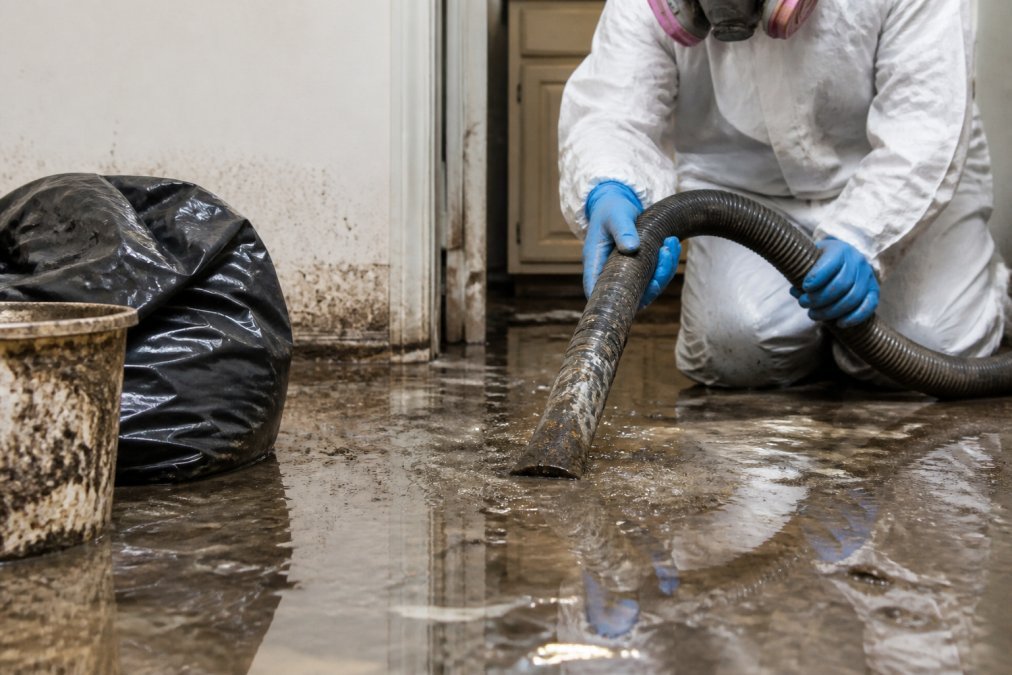
Table of Contents
- Health Risks of Sewage Backup in Home: The Immediate Danger
- Symptoms of Sewage Exposure: Recognizing the Warning Signs
- Who Is Most Vulnerable to Sewage Contamination?
- Sewage Backup Cleanup Safety Protocols: Your First Steps
- Hidden Risks: Air Quality, Mold, and Pet Safety
- Professional Sewage Remediation Services: Why Expertise Matters
- Frequently Asked Questions
Last Updated: September 8, 2026
A sewage backup in your home is not just a plumbing inconvenience; it is a serious health emergency. The health risks of sewage backup in home environments stem from wastewater containing a concentrated mix of pathogenic bacteria, viruses, and parasites. When raw sewage enters your living space, it contaminates every surface, turning your home into a biohazard zone requiring immediate response.
Below, we’ll walk you through the specific health dangers, symptoms to watch for, and safety protocols to follow before professional help arrives.
Health Risks of Sewage Backup in Home: The Immediate Danger
The health risks of sewage backup in home situations are immediate and severe because sewage is a complex biological hazard carrying human waste, waterborne diseases, and chemical contaminants that cause illness through direct contact, ingestion, or inhalation.
What Makes Sewage a Biohazard
Sewage is a biohazard because it contains fecal matter teeming with pathogenic bacteria, viruses, and parasites, including E. coli, Salmonella, and Hepatitis A. Unlike clean water damage, sewage contamination requires treating every affected item as potentially infectious until properly disinfected or discarded (the CDC).
The danger is not limited to the visible water. Cross-contamination occurs when contaminated water or particles spread to untouched areas of the home, and porous materials like drywall, carpet, and upholstery can harbor these pathogens long after the water recedes.
The Pathogen Profile: What You Are Actually Dealing With
Raw sewage is a cocktail of pathogens that the CDC and EPA classify under three primary groups:
- Bacteria: Beyond E. coli and Salmonella, sewage frequently contains Shigella, which causes dysentery with bloody stools, and Leptospira, which can trigger meningitis or liver damage. Campylobacter jejuni is another common bacterial agent that leads to severe, sometimes bloody, diarrhea.
- Viruses: Hepatitis A attacks the liver and can cause jaundice and fatigue lasting months. Norovirus, notorious for outbreaks on cruise ships, spreads rapidly through contaminated surfaces and causes projectile vomiting. Rotavirus is a leading cause of severe diarrhea in infants and young children.
- Parasites: Giardia lamblia and Cryptosporidium are protozoan parasites that resist standard chlorine disinfection. They cause prolonged, watery diarrhea and can survive in the environment for weeks. Hookworm and roundworm eggs can also be present, posing a risk of skin penetration if you walk barefoot through contaminated water.
Routes of Exposure: How Illness Actually Spreads
There are four primary routes through which these organisms enter the human body:
- Ingestion: The most common route. You touch a contaminated doorknob, then touch your mouth, or you eat food that was in the affected room. Even microscopic amounts of fecal matter can deliver a high enough viral load to cause illness.
- Inhalation: When sewage water is agitated, by a sump pump, a pressure washer, or even a HVAC system pulling air across the contaminated surface, pathogens become aerosolized. Inhaling these fine droplets can lead to Legionnaires’ disease, a severe form of pneumonia caused by Legionella bacteria that thrives in stagnant warm water (the CDC).
- Direct Contact: Broken skin, cuts, or abrasions provide a direct entry point for bacteria like Staphylococcus aureus and Streptococcus, which can cause cellulitis or, in severe cases, sepsis. Mucous membranes (eyes, nose, mouth) are equally vulnerable.
- Vector-Borne: Standing sewage attracts flies, cockroaches, and rodents. These pests physically carry pathogens from the contaminated zone to clean areas of your home, including your kitchen counters and pantry, expanding the contamination footprint far beyond the visible water line.
The Chemical Component
Sewage also carries household chemicals, personal care products, and cleaning agents flushed down drains, including bleach, ammonia, and trace pharmaceuticals. When mixed, these can produce irritant gases or cause contact dermatitis. The EPA notes that hydrogen sulfide gas, a byproduct of decomposing organic matter, can be present in high concentrations in confined spaces, causing headaches, nausea, and at very high levels, respiratory paralysis.
If you smell a strong “rotten egg” odor (hydrogen sulfide) in a confined space like a basement, do not enter. Ventilate the area from outside and call a professional. Hydrogen sulfide can overwhelm your sense of smell quickly and lead to unconsciousness.
The danger is not limited to the visible water. Cross-contamination occurs when contaminated water or particles spread to untouched areas of the home, and porous materials like drywall, carpet, and upholstery can harbor these pathogens long after the water recedes.
Symptoms of Sewage Exposure: Recognizing the Warning Signs
Recognizing symptoms is essential for getting prompt medical attention. Symptoms can appear within hours or take a few days, depending on the pathogen and route of exposure.
Gastrointestinal and Respiratory Symptoms
The most common reaction is gastrointestinal illness, with symptoms including nausea, vomiting, stomach cramps, and diarrhea from ingesting contaminated food or water. In severe cases, exposure can lead to respiratory distress if contaminated water has been aerosolized.
Skin and Eye Irritation
Direct contact with sewage-contaminated water often causes skin irritation, rashes, or chemical burns, especially where broken skin is present. If contaminated water splashes into the eyes, it can cause severe irritation, redness, and potential infection. Any cuts or open wounds that contact sewage require immediate washing with soap and clean water, followed by a visit to a healthcare provider.
Who Is Most Vulnerable to Sewage Contamination?
While anyone exposed to raw sewage is at risk, infants, elderly individuals, pregnant women, and those with compromised immune systems or chronic illness are particularly susceptible to the health risks of sewage backup in home environments.
For these vulnerable individuals, even brief exposure can lead to serious complications from waterborne diseases. If someone in these categories lives in your home, evacuate them immediately and keep them away until a professional has completed decontamination. Pets also fall into this higher-risk category, as they are more likely to walk through contaminated areas and lick their paws.
Sewage Backup Cleanup Safety Protocols: Your First Steps
When a backup occurs, the first hour is about containment and safety, not cleaning. Your priority is to prevent exposure and stop contamination from spreading.
Immediate Actions to Protect Your Household
Evacuate the affected area and keep everyone, including pets, away. Shut off electricity if water has reached outlets, turn off the water supply, and open windows for ventilation, but do not use fans that might spread contaminated aerosols. Contact a professional sewage remediation service immediately.
Do not attempt to clean up raw sewage yourself with household cleaners. Standard bleach solutions are not sufficient to neutralize the full range of pathogens present in wastewater, and improper handling can spread contamination and increase the health risks of sewage backup in home areas.
Essential Personal Protective Equipment (PPE)
If you must enter the affected area, wearing correct PPE is non-negotiable: rubber gloves, waterproof boots, safety goggles, and an N-95 respirator mask. Wear clothing that covers your arms and legs completely, and remove it carefully before entering clean areas.
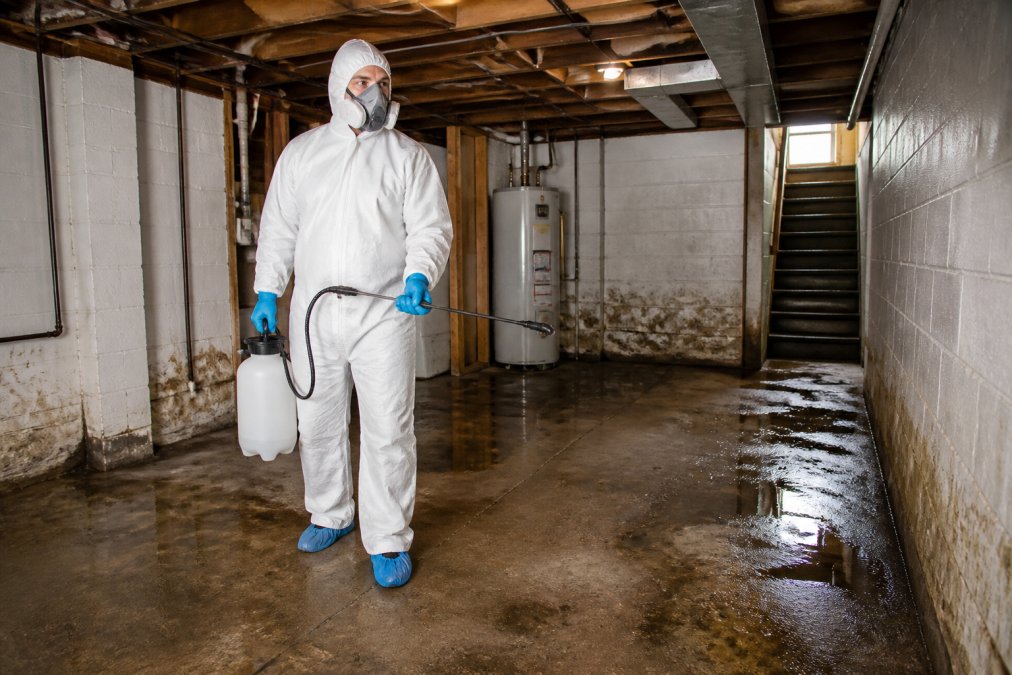
After any contact with the affected area, wash your hands thoroughly with soap and clean water. Any clothing or materials that touched sewage should be considered contaminated and placed in plastic bags for professional cleaning or disposal.
Hidden Risks: Air Quality, Mold, and Pet Safety
Even after visible water is removed, hidden dangers remain. Sewage backup creates ideal conditions for microbial growth, and mold spores can colonize damp materials within 24 to 48 hours, causing respiratory issues and allergic reactions that persist long after initial cleanup.
For pets, keep them completely out of the affected area, as they can carry pathogens throughout the house on their fur.
The Mold Transition: From Bacteria to Spores
While bacteria dominate the first 48 hours, mold takes over as the dominant microbial threat once standing water is removed but materials remain damp. The EPA’s guidance is clear: mold will grow where moisture persists. In a sewage event, organic nutrients and trapped moisture in drywall, wood studs, and insulation create a perfect culture medium.
- Timeline: Aspergillus and Penicillium species can begin sporulating within 24 to 48 hours. Stachybotrys chartarum (often called “black mold”) takes longer, typically 7 to 10 days, but requires persistently wet, cellulose-rich materials like drywall paper.
- Airborne Spread: Once mold colonies dry out, spores become aerosolized. Unlike sewage bacteria, which require direct contact or ingestion, mold spores are inhaled continuously. This creates a chronic, low-grade exposure that can trigger asthma attacks, allergic rhinitis, and hypersensitivity pneumonitis in susceptible individuals.
- Detection: You cannot see mold inside wall cavities. Professionals use moisture meters and thermal imaging to locate hidden water pockets. If drywall was saturated, the standard protocol is removal, not drying, because the paper facing is a food source for mold that cannot be fully sanitized.
The Psychological Toll: An Overlooked Health Risk
The stress of a sewage backup is a documented health risk. The American Psychological Association recognizes that home loss and contamination events trigger acute stress responses similar to those after natural disasters. Homeowners often report:
- Hypervigilance: Persistent worry about lingering odors, recurring backups, or hidden contamination, leading to difficulty sleeping and concentrating.
- Loss of Control: The feeling that your home, your safe haven, has been violated by an invisible threat you cannot see or fully verify is gone.
- Decision Fatigue: The pressure to make rapid, high-stakes decisions about what to keep and what to discard, often while under financial strain.
Establish a clear “re-entry protocol” with your remediation team and ask for a written certificate of reoccupancy after the final air quality test. If anxiety persists for more than a few weeks, seeking support from a mental health professional is a valid and necessary step.
Pet Safety: The Floor-Level Risk
Pets are uniquely vulnerable. Their bodies are closer to the ground, so they inhale a higher concentration of airborne particles, and grooming transfers contaminants from fur and paws into their mouths. The CDC notes that animals can carry zoonotic diseases like Leptospirosis, which they can transmit to humans through urine.
Immediate Steps for Pet Owners:
- Evacuate first: Move pets to a friend’s house or a boarding facility before any cleanup begins. Do not let them roam the house while you assess the damage.
- Decontamination: If a pet has walked through the affected area, do not let them into clean zones. Wash them immediately with pet-safe shampoo and warm water, paying special attention to paws and underbelly. Wear rubber gloves while doing this.
- Watch for symptoms: Vomiting, diarrhea, lethargy, or loss of appetite in the days following a sewage event warrants an immediate vet visit. Mention the exposure to the veterinarian so they can test for Leptospirosis and other sewage-borne illnesses.
- Clean their belongings: Wash pet bedding, toys, and food bowls that were in the affected area. Porous items like plush toys should be discarded if they were saturated.
The Professional Standard for Air and Surface Remediation
Professional remediation goes beyond surface cleaning. It involves removing all porous contaminated materials, treating the area with antimicrobial agents, and using commercial-grade air scrubbers and dehumidifiers to address airborne contaminants and prevent mold growth. According to guidance on indoor air quality from the Environmental Protection Agency, moisture control is the key strategy for preventing mold growth after water damage.
A complete remediation protocol should include post-remediation air sampling to confirm that spore counts are comparable to outdoor baseline levels.
Professional Sewage Remediation Services: Why Expertise Matters
The health risks of sewage backup in home environments are too significant for DIY methods. Professional services bring specialized equipment, IICRC-trained technicians, and a systematic approach that ensures the space is truly safe for reoccupancy.
Professionals follow established decontamination protocols, categorizing materials as salvageable or unsalvageable, removing biohazardous waste properly, and applying hospital-grade disinfectants. They also use moisture meters and thermal imaging to detect hidden water, preventing structural damage and mold growth.
Documentation and Insurance Support
A professional service also provides crucial documentation for your insurance claim. Detailed logs of the damage, the cleaning process, and the materials removed are often required by insurance policies to process a claim. When you choose a company that offers direct insurance billing, you avoid the stress of fighting with the adjuster while managing a health crisis in your home.
Aquaflame Restores it provides comprehensive sewage cleanup and restoration for metro Atlanta homeowners. Their IICRC-trained technicians respond 24/7 with a 30-minute arrival guarantee, and they manage the entire process from extraction and disinfection to full reconstruction, handling direct insurance billing so you can focus on your family’s safety.
The health risks of sewage backup in home settings are serious, but they are manageable with the right response. Evacuate the area, wear proper PPE, and call a certified professional immediately to ensure complete decontamination and protect your household from long-term health issues.
When faced with a sewage emergency, time is not on your side. The longer contaminated water sits, the deeper it penetrates your home’s structure and the more extensive microbial growth becomes. Acting quickly limits damage and reduces the severity of the health risks of sewage backup in home environments.
For residents of metro Atlanta dealing with a sewage backup, Aquaflame Restores it offers the rapid, comprehensive response this situation demands. Their locally-owned team provides complete restoration services, from emergency extraction to final reconstruction, with direct insurance billing.
Get started with Aquaflame Restores it and restore your home to a safe, healthy condition.
Frequently Asked Questions
Can a sewer backup make you sick?
Yes. Sewage backup contains pathogenic bacteria, viruses, and parasites that cause gastrointestinal illness, skin infections, and respiratory distress. E. coli, Salmonella, and Hepatitis A are common threats found in raw sewage. The health risks of sewage backup in home environments are severe because contamination spreads quickly through direct contact and airborne pathogens. Anyone exposed should monitor for symptoms and seek medical care if illness develops.
Is it safe to stay in house after sewage backup?
No, it is not safe to remain in the home during active cleanup, especially for children, older adults, pregnant women, or anyone with a weakened immune system. Sewage contamination releases airborne pathogens and mold spores that cause respiratory distress even without direct contact. You should evacuate affected areas immediately and only return when professional sewage remediation services have completed disinfection and air quality testing.
What are the common symptoms of exposure to sewage bacteria?
Common symptoms of sewage exposure include nausea, vomiting, diarrhea, stomach cramps, and fever from ingesting contaminated material. Respiratory symptoms like coughing and difficulty breathing can occur from inhaling airborne pathogens. Skin contact often causes rashes, irritation, and infections. If symptoms appear within days of exposure, contact a doctor and mention the sewage backup so they can test for waterborne diseases.
Does homeowners insurance cover sewage backup cleanup?
Standard homeowners insurance policies typically exclude sewage backup damage. You usually need a separate sewer backup endorsement or rider for coverage. Review your policy documents and contact your agent to confirm. Professional restoration companies can document the damage thoroughly, which strengthens your claim. Ask about direct insurance billing when hiring professional sewage remediation services to simplify the claims process.