Water Mitigation
Water mitigation is what happens right after water damage begins — and it’s the difference between containing a problem and letting it spiral.
When water enters a home or building, the goal isn’t just cleanup. The goal is to stop the spread, control moisture, and prevent secondary damage like mold, warping, and structural deterioration.
Our water mitigation service focuses on immediate response and smart containment, using professional equipment and proven drying strategies to protect the property before damage becomes permanent.
What Water Mitigation Actually Means
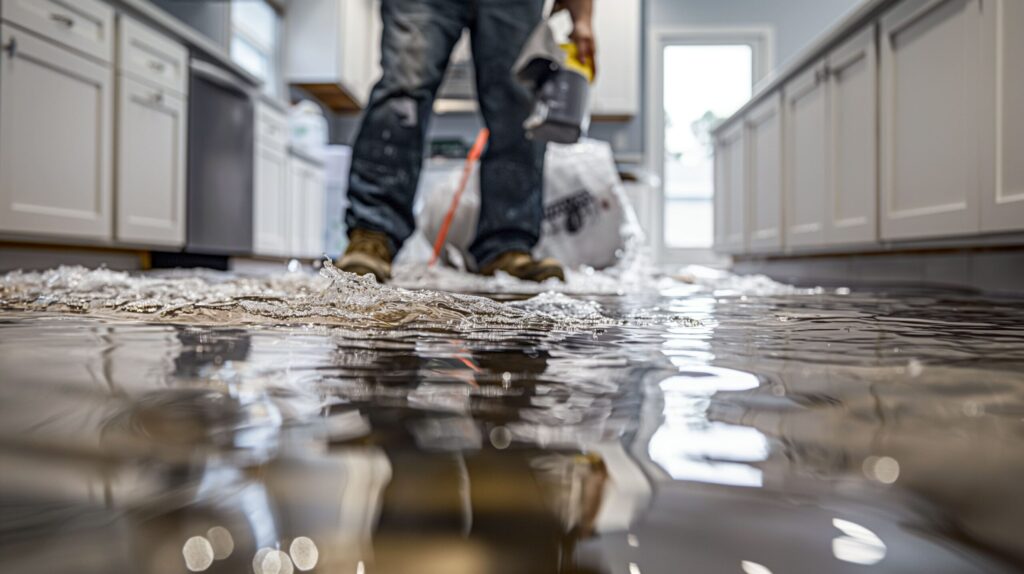
Water mitigation is the process of reducing damage while the situation is still unfolding.
It typically includes:
Stopping the water source (when possible)
Removing standing water
Controlling moisture and humidity
Drying affected materials
Preventing mold and material failure
Mitigation happens before full restoration. It’s not about rebuilding — it’s about protecting what can still be saved.
This is why water mitigation is often paired with services like Water Extraction, Structural Drying & Dehumidification, and Emergency Plumbing Repair.
When Water Mitigation Is Needed
Water mitigation is recommended anytime water has entered areas it shouldn’t — even if it looks minor.
Common situations include:
-
Burst or leaking pipes (see Frozen Pipes)
-
Flooded basements (see Flooded Basement Water Removal)
-
Appliance or HVAC leaks (see Appliance Leak Cleanup and HVAC Leaking Water Cleanup)
-
Storm or rain intrusion
-
Sewage backups (see Sewage Backup Cleaning)
The earlier mitigation starts, the more damage you prevent — and the lower the overall cost usually is.
Why Water Mitigation Is Time-Sensitive
Water doesn’t stay where you see it.
It moves:
behind walls
under floors
into insulation
through framing and subfloors
Within 24–48 hours, trapped moisture can lead to mold growth and material breakdown, which is why delayed response often turns into [Mold Removal & Remediation] later.
Water mitigation is about getting ahead of that clock.
Our Water Mitigation Process
Every situation is different, but our approach follows a clear, proven structure.
1) Assessment & Source Control
We identify where the water came from, how far it traveled, and what materials are affected.
2) Immediate Water Removal
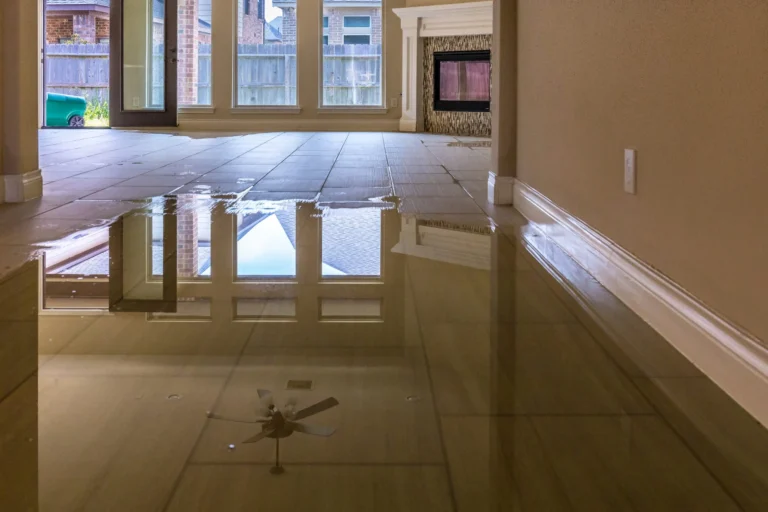
Standing water is removed using professional Water Extraction equipment to reduce absorption.
3) Moisture Detection
We check behind drywall, under flooring, and around structural elements to locate hidden moisture.
4) Controlled Drying & Dehumidification
We install commercial drying equipment through Structural Drying & Dehumidification to stabilize moisture levels evenly.
5) Monitoring & Stabilization
Moisture levels are monitored until the area is stable and safe — not just “dry to the touch.”
Water Mitigation vs. Water Damage Restoration
These terms are often confused, but they serve different purposes.
Water mitigation focuses on stopping damage early
Water Damage Restoration focuses on repairing and rebuilding once damage is established
Good mitigation often reduces the need for major restoration later.
Why DIY Mitigation Usually Falls Short
Household fans and dehumidifiers can help with surface moisture, but they can’t:
detect hidden water
dry structural materials properly
control humidity at scale
prevent mold growth in concealed areas
What looks fine today can turn into buckling floors (see Hardwood Floor Buckling) or odor problems weeks later.
Professional mitigation addresses what you can’t see yet.
Act FAST!
Water Damage Gets Harder to Control Over Time
If water has entered your home or business, early action matters.
The sooner mitigation begins, the more likely it is that damage can be contained and long-term issues avoided.
📞 Call Aquaflame Restores It now to start water mitigation.
If standing water is present, we can begin Water Extraction and Structural Drying & Dehumidification immediately.
Areas We Serve:
We provide flooded basement water removal services throughout our service area.
See where we respond locally:
(Emergency response available — call anytime.)