Table of Contents
- What Counts as Emergency Water Damage in Decatur
- Water Damage Cleanup Process Steps: From First Call to Final Inspection
- Immediate DIY Mitigation Steps Before Help Arrives
- Homeowners Insurance Water Damage Coverage in Georgia
- Why IICRC Certification and Rapid Response Matter
- Common Water Damage Mistakes That Cost More Later
- Conclusion
Last Updated: August 5, 2026
What Counts as Emergency Water Damage in Decatur
Emergency water damage involves water entering your home or business in quantities that threaten structural integrity, create immediate health risks, or require intervention within hours rather than days. Water damage becomes an emergency when it involves category 3 water (sewage backup, flooding from external sources, or water containing harmful bacteria), or when active damage is spreading and capable of causing structural failure or mold growth within 24-48 hours if left untreated. A burst pipe flooding your basement, a roof leak during heavy rain, a failed HVAC system soaking your attic, or a leaking water heater saturating subfloors all qualify.
At Aquaflame Restores It, we classify emergency water damage by three factors: volume (how much water), speed (how fast it’s entering), and contamination level. A slow ceiling drip might be urgent but not an emergency. A toilet overflow flooding a bedroom is an emergency. A sewage backup into your crawlspace is a category 3 emergency requiring immediate professional mitigation.
The distinction matters because emergency water damage demands water extraction, structural drying, and mold remediation to happen in sequence without delay. Waiting even 12 hours increases the risk of mold colonization in drywall, insulation, and wood framing. Category 3 water adds decontamination and sanitization to the process. That’s why 24/7 emergency response services exist, timing directly determines whether your property recovers fully or faces permanent structural and health consequences.
Water Damage Cleanup Process Steps: From First Call to Final Inspection
The water damage cleanup process follows a structured sequence designed to stop active damage, remove water and moisture, prevent mold, and restore your property. Each step builds on the previous one.
Step 1: Emergency Assessment and Water Extraction
The first 30 minutes are critical. A professional assessment determines the extent of water intrusion, identifies the water source, and categorizes the contamination level. Water extraction happens simultaneously, using submersible pumps for large volumes and wet/dry vacuums for smaller areas. The goal is to remove 95% or more of standing water within the first few hours.
Technicians also identify hidden water pockets using thermal imaging and hygrometers to reveal moisture in wall cavities, under flooring, and in crawlspaces. This step separates amateur cleanup from professional restoration, a homeowner might remove visible water, but a professional team identifies and extracts water you can’t see, which is where 80% of mold problems originate.
Step 2: Structural Drying and Dehumidification
After extraction, your property still contains significant moisture embedded in materials. Structural drying uses industrial-grade dehumidifiers and air movers positioned to force moisture out of walls, floors, and structural elements. Drying typically takes 3-7 days depending on the volume of water, materials involved, and humidity levels.
Professionals monitor moisture levels daily using hygrometers, adjusting equipment to ensure even drying. An industrial dehumidifier moves 150-250 pints of water per day, compared to a standard household dehumidifier’s 50-70 pints. Industrial equipment is essential because the goal is bringing moisture content in materials below the threshold where mold can colonize (typically 16-20% moisture content in wood). Undersized equipment extends drying time and allows mold to establish before drying finishes.
Step 3: Mold Remediation and Sanitization
Once drying is complete, mold remediation removes any mold growth and treats affected materials. For category 3 water, sanitization follows to eliminate pathogens and bacteria introduced by sewage or contaminated floodwater.
Mold remediation involves removing contaminated materials (drywall, insulation, carpet) and treating remaining surfaces with antimicrobial solutions. The scope depends on the extent of mold growth. Sanitization for category 3 water uses hospital-grade disinfectants and follows EPA guidelines for pathogen elimination. This step is non-negotiable for sewage backup or flooding from external sources.
Step 4: Reconstruction and Final Restoration
After mold remediation and sanitization, reconstruction begins, including replacing removed drywall, reinstalling flooring, repainting, and restoring the property to its pre-damage condition. A full-service approach ensures consistency, faster completion, and accountability for the entire process.
Final inspection includes moisture testing to confirm all moisture has been removed, mold clearance testing if category 3 water was involved, and verification that reconstruction meets building codes. Documentation from this inspection is essential for insurance claims and future property sales.
Immediate DIY Mitigation Steps Before Help Arrives
The 30 minutes before professional help arrives are yours to control. Taking the right steps prevents water from spreading deeper into your structure and reduces the scope of professional work needed later.
First, stop the water source if it’s safe. Turn off the main water valve for burst pipes, close the inlet valve for a leaking water heater, or turn off the toilet’s water supply. For roof leaks, place buckets under drips and move furniture away from the affected area.
Second, remove standing water manually if the volume is small. Use towels, mops, and buckets to soak up water from floors and furniture. A standard shop vac works for the first pass.
Third, increase air circulation. Open windows and doors to move humid air out. Turn on ceiling fans if they’re above the water line. This slows mold growth and helps drying equipment work more efficiently.
Fourth, document everything. Take photos and video of the water damage from multiple angles and photograph your belongings and structural damage. This documentation is essential for insurance claims.
Fifth, remove items that absorb water if you can do so safely. Cushions, throw pillows, rugs, and cardboard boxes should be moved to a dry area. Electronics and important documents should be moved to dry storage immediately.
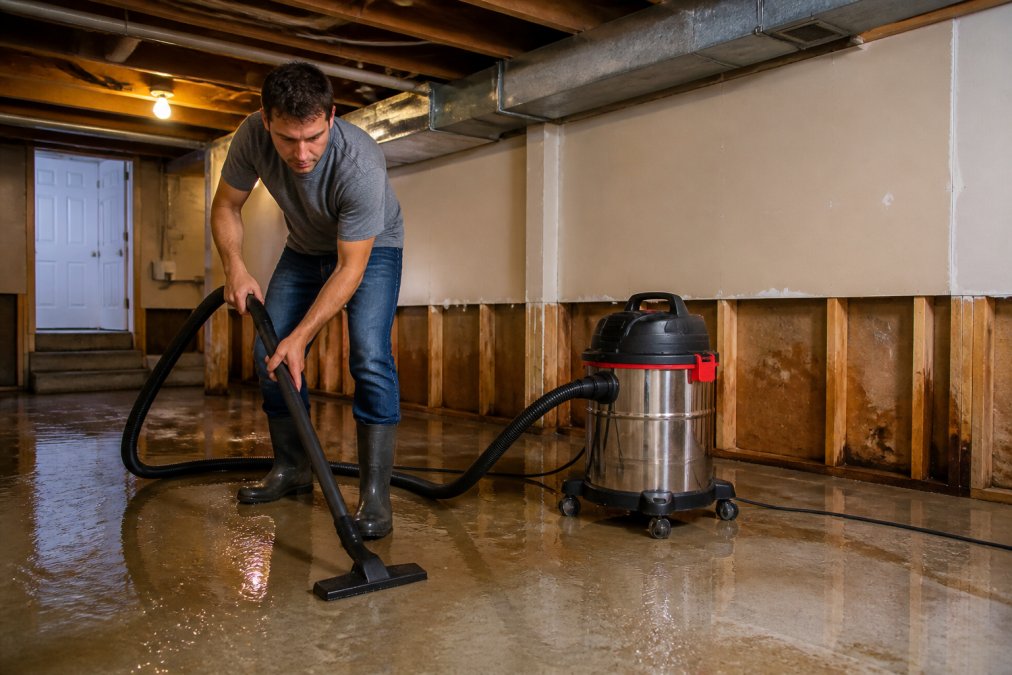
Don’t use household fans to dry large areas, they spread moisture-laden air and can increase humidity in other rooms. Don’t paint or seal wet areas hoping to trap moisture inside. Don’t assume the water damage is limited to what you see; water moves through wall cavities and crawlspaces, so assume the damage is larger than visible.
Homeowners Insurance Water Damage Coverage in Georgia
Georgia homeowners insurance policies cover sudden, accidental water damage in most cases. Covered events typically include burst pipes, sudden leaks from appliances, roof damage from storms, and sewage backup (if you have the optional endorsement). Storm damage, wind-driven rain, and hail damage to your roof are covered under the standard homeowners policy.
Not covered: gradual leaks, maintenance failures, and flooding from external sources. A slow roof leak you ignored for months isn’t covered because it’s considered a maintenance issue. Flooding from a river, heavy rain runoff, or storm surge isn’t covered under standard homeowners insurance; you need a separate flood insurance policy. Sump pump failure isn’t covered unless the failure was caused by a covered event like a power surge from lightning.
The distinction between covered water damage and excluded water damage hinges on whether the damage was sudden and accidental. Sudden means it happened quickly, not over weeks or months. Accidental means it wasn’t caused by neglect or deferred maintenance.
Aquaflame Restores It handles direct insurance billing for covered water damage claims, meaning you don’t pay out of pocket for extraction, drying, and mold remediation, the insurance company pays the restoration company directly. This requires working with a restoration company that’s licensed, insured, and experienced with Georgia insurance processes.
File the claim quickly. Most policies require notification within 30 days. Photograph damage before cleanup begins, keep receipts for any emergency mitigation you do yourself, and provide your insurance company with the restoration company’s assessment and scope of work.
Why IICRC Certification and Rapid Response Matter
IICRC certification (Institute of Inspection, Cleaning and Restoration Certification) is the professional standard for water damage restoration. IICRC-certified technicians have completed training in water damage assessment, extraction, drying, and mold remediation. The certification requires ongoing education to maintain, so certified technicians stay current with evolving best practices.
Rapid response, getting to your property within 30 minutes, matters because water damage accelerates. Mold can begin colonizing within 24-48 hours. Structural materials continue absorbing water and moving moisture deeper into walls and floors the longer you wait. A 30-minute response means extraction and assessment happen while water is still concentrated in visible areas, before it’s moved into wall cavities and crawlspaces where it’s harder to reach and more likely to cause mold.
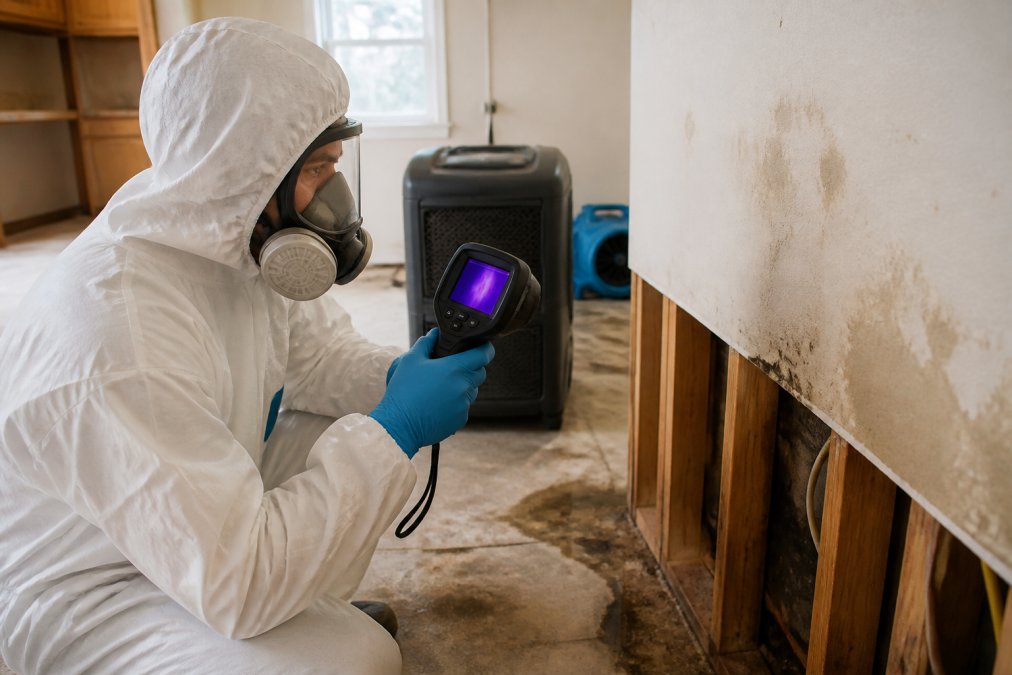
The 30-minute guarantee isn’t marketing, it’s a commitment to the physics of water damage. The faster you extract water and begin drying, the smaller the scope of remediation, the lower your costs, and the lower your mold risk. IICRC certification also ensures proper documentation that satisfies insurance companies and meets building code requirements.
Common Water Damage Mistakes That Cost More Later
Most homeowners make predictable mistakes in the first hours and days after water damage. These mistakes compound the damage and increase restoration costs by 30-50%.
The first mistake: waiting to call for professional help. A homeowner who calls within 2-4 hours typically pays less than someone who waits 24 hours. By hour 24, mold has begun establishing itself in materials you can’t see. By hour 48, mold is actively growing and spreading spores.
The second mistake: using undersized drying equipment or relying on open windows. Industrial drying requires equipment sized to the volume of water and the square footage affected. Undersized equipment extends drying time, allowing mold to establish.
The third mistake: not addressing category 3 water with sanitization. Category 3 water contains pathogens that don’t die during drying. Sanitization eliminates these health risks and must happen before reconstruction.
The fourth mistake: skipping moisture mapping and assuming visible water represents the full extent of damage. Water moves into wall cavities, under flooring, and into crawlspaces where you can’t see it. Mold grows in those unseen spaces and emerges months later when structural damage is advanced.
The fifth mistake: not documenting damage before cleanup. Insurance claims depend on photographic evidence of damage. If you clean up before the adjuster sees the property, you lose the ability to prove the extent of damage.
The sixth mistake: hiring the cheapest restoration company instead of the most qualified. A company quoting 30% less than others is likely cutting corners, using undersized equipment, or skipping steps. The damage reappears months later when mold grows or structural problems emerge.
Conclusion
Emergency water damage in Decatur requires immediate action and professional expertise. The first 24-48 hours determine whether your property recovers fully or faces permanent mold and structural damage. Aquaflame Restores It’s 30-minute response guarantee, IICRC-certified technicians, and direct insurance billing ensure that extraction, drying, mold remediation, and reconstruction happen seamlessly. When water damage strikes, call 24/7 for emergency response and get your property back to normal.
Frequently Asked Questions
What should I do immediately after water damage occurs?
Stop the water source if safe to do so, then evacuate if there's electrical hazard or contaminated water. Call emergency water damage restoration services immediately, delays allow mold growth and structural damage. While waiting, move valuables to dry areas, turn off electricity to affected rooms, and open windows for ventilation. Document damage with photos for insurance. Do not attempt to dry the space yourself or delay professional water extraction; structural drying requires industrial dehumidification equipment to prevent hidden moisture problems.
Does homeowners insurance cover water damage in Georgia?
Standard homeowners insurance in Georgia covers sudden, accidental water damage from burst pipes, appliance failures, and roof leaks. However, flood damage from heavy rain, overflowing rivers, or poor drainage is excluded and requires separate flood insurance through the National Flood Insurance Program (NFIP). Damage from lack of maintenance or gradual leaks is also not covered. Review your specific policy language and contact your insurer immediately after damage occurs. Professional restoration companies like Aquaflame Restores It handle insurance billing directly, removing the burden from you during the claims process.
How long does the water damage restoration process take?
Timeline depends on damage severity and property size. Water extraction typically takes 24-48 hours, structural drying and dehumidification requires 3-7 days, and mold remediation adds 2-5 days. Reconstruction varies widely, minor repairs take days, major structural work weeks. IICRC-trained technicians use moisture mapping and thermal imaging to verify the space is dry before moving to the next phase, preventing costly hidden damage later. Aquaflame Restores It coordinates the entire process under one team, eliminating delays from juggling multiple contractors.
What makes professional IICRC-certified restoration different from DIY cleanup?
IICRC-certified technicians follow industry standards for water extraction, dehumidification, and mold prevention that DIY efforts cannot match. They use industrial-grade equipment like dehumidifiers, air movers, and moisture meters to detect moisture deep in walls and subfloors where mold grows unseen. IICRC training covers category 3 water (sewage and contaminated sources) decontamination, which requires hazmat protocols. Professional teams also document the restoration process for insurance claims and provide clearance certification that lenders and buyers require. Attempting DIY restoration often leads to incomplete drying, hidden mold, and costly structural repairs months later.
This article was written using GrandRanker