Table of Contents
- 1. Install and Maintain a Sump Pump System
- 2. Clean Gutters and Extend Downspouts Away From Foundation
- 3. Seal Foundation Cracks and Install Waterproofing
- 4. Install a French Drain or Exterior Drainage System
- 5. Grade and Slope Soil Away From Your Home
- 6. Use Smart Water Leak Detectors and Automatic Shutoff Valves
- 7. Recognize Signs of Water Damage and Act Quickly
- Atlanta’s Red Clay Challenge and Seasonal Prevention Schedule
- Frequently Asked Questions
Last Updated: September 22, 2026
Basement flooding is one of the most destructive and expensive problems homeowners face, especially in metro Atlanta where heavy rainfall, red clay soil, and hydrostatic pressure create the perfect storm for water intrusion. When water enters your basement, it doesn’t just damage your belongings, it compromises your foundation, breeds mold, and can cost tens of thousands to repair. The good news: most basement flooding is preventable with the right combination of maintenance, drainage, and monitoring systems.
Below, we’ll walk you through the seven most effective ways to prevent basement flooding in Atlanta homes, starting with the systems that stop water at the source and ending with the early warning signs that tell you when professional help is needed.
1. Install and Maintain a Sump Pump System
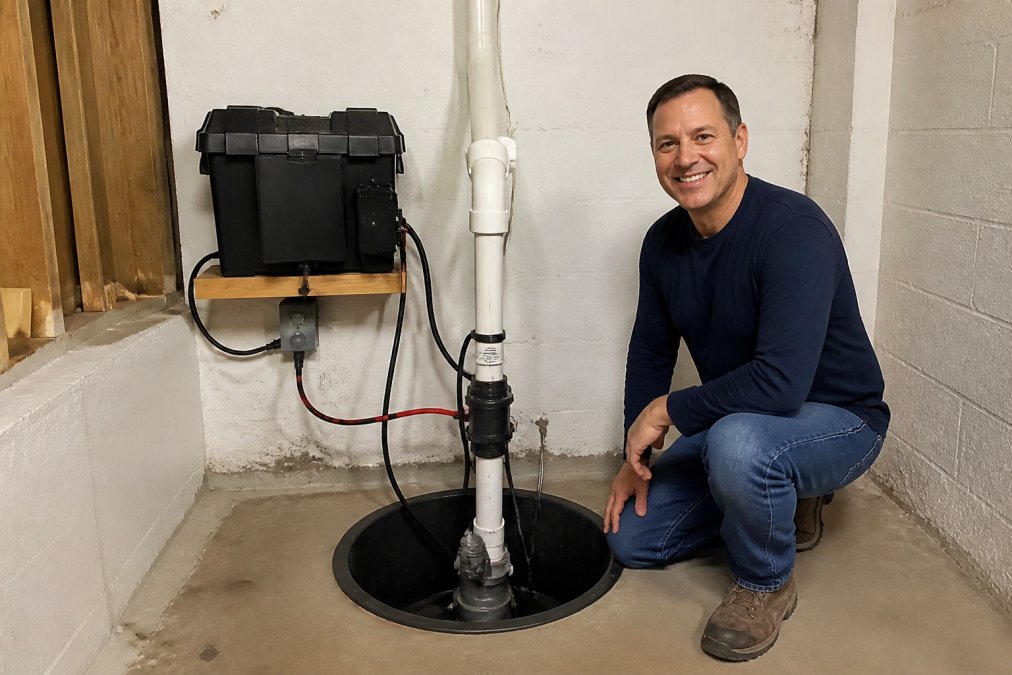
A sump pump is your basement’s first line of defense against flooding. It sits in a pit at the lowest point of your basement and automatically activates when water rises, pumping it away from your foundation and out to the yard or storm drain. Without one, water has nowhere to go but into your living space.
The Zoeller M53 Mighty-Mate is a heavy-duty cast-iron submersible pump designed for residential basements. Its non-clogging vortex impeller handles high water flow without jamming, and the automatic float switch activates the pump when water reaches a preset level. For most Atlanta homes, this is the workhorse pump that handles routine rainfall and seasonal water intrusion.
How to Check Sump Pump Functionality
Test your pump every three months, especially before the rainy season. Pour water into the sump pit until the float switch rises. The pump should activate immediately and drain the water. If it doesn’t start, the float switch may be stuck or the pump may have failed. A non-functioning pump during a storm is worse than no pump at all, water backs up and floods faster.
Check the discharge pipe too. Make sure it extends at least 10 feet from your foundation and slopes away from the house. Ice or debris can block the outlet, forcing water back into the basement even if the pump is running.
Most pump failures happen during power outages, exactly when you need the pump most. Test your backup power system at the same time you test the pump itself.
Adding Battery Backup for Power Outages
Heavy storms often bring power outages. When the grid goes down, your sump pump stops, and water floods in. A battery backup sump pump solves this problem by switching on automatically when power fails.
The Basement Watchdog Battery Backup system monitors your primary pump and activates instantly if it fails or loses power. It includes an audible alarm that alerts you to system problems, and fluid-level sensors prevent the backup from running dry. The system handles most residential flood events on a single battery charge.
Battery backup isn’t optional in Atlanta. It’s essential. Install one now, before the next major storm.
2. Clean Gutters and Extend Downspouts Away From Foundation
Gutters and downspouts direct roof runoff away from your home. Clogged gutters overflow, dumping water directly against your foundation. Water pools around the perimeter, seeps through cracks, and ends up in your basement. Clean gutters are one of the cheapest and most effective flood prevention measures.
Clean your gutters twice a year, spring and fall. Remove leaves, debris, and sediment that block water flow. If you’re uncomfortable on a ladder, hire a professional. The cost of cleaning is trivial compared to water damage repair.
Downspout extensions are equally important. Standard downspouts dump water just 4-6 feet from your foundation. That’s not far enough. Use flexible downspout extenders like the Flex-Drain system to carry water at least 10 feet away, or better yet, 15-20 feet. The farther water travels from your foundation, the less hydrostatic pressure builds against your basement walls.
Amerimax gutter guards prevent debris from clogging gutters in the first place. They snap onto existing gutters and maintain water flow while blocking leaves and twigs. You’ll still need occasional inspection, but cleaning becomes far less frequent.
3. Seal Foundation Cracks and Install Waterproofing
Even small cracks in your foundation are water highways. Hydrostatic pressure, the force of water pressing against your basement walls, will find and exploit every opening. Sealing cracks stops water before it enters.
For active leaks (water actively flowing through a crack), use Quikrete Hydraulic Water-Stop Cement. It expands as it sets, locking into the crack and stopping water flow in 3-5 minutes. This is a temporary emergency fix, not a permanent solution, but it buys you time to call a professional.
For broader waterproofing, apply Drylok Masonry Waterproofer to your entire basement interior. This breathable coating resists hydrostatic pressure and prevents moisture from seeping through porous concrete. It’s not a substitute for addressing the root cause of water intrusion, but it adds a critical layer of protection.
Never paint over foundation cracks without sealing them first. Paint traps moisture behind the crack, accelerating concrete deterioration and making the problem worse.
4. Install a French Drain or Exterior Drainage System
A French drain is a trench filled with gravel and a perforated pipe that intercepts groundwater before it reaches your foundation. It redirects water away from your home and into the yard or storm drain. This is one of the most effective ways to prevent basement flooding, especially in Atlanta’s clay-heavy soil. Integrating this drainage solution into a broader strategy for basement flooding prevention ensures that your property remains resilient against the intense seasonal rainfall common to our region.
French drains work best when installed on the exterior of your foundation, below ground level. Water naturally flows downhill into the drain, then along the pipe away from your home. Interior French drains (installed inside the basement) are less effective because they only catch water after it’s already entered your basement.
Installation requires excavation and professional expertise. The drain must slope properly and connect to a discharge point far from your foundation. Improper installation creates standing water and defeats the purpose. If you’re serious about preventing flooding, this is worth the investment.
5. Grade and Slope Soil Away From Your Home
Grading is simple but often overlooked: the ground around your foundation should slope away from your home, not toward it. If soil slopes toward your foundation, rainwater pools against your basement walls, increasing hydrostatic pressure and seepage risk.
Check the grading around your entire foundation perimeter. Walk around your home after a heavy rain and observe where water collects. If water pools near your foundation, you need to add soil and regrade.
Slope the ground at least 6 inches over the first 10 feet from your foundation. This gentle slope is enough to redirect surface runoff away from your home. In Atlanta’s clay soil, this simple fix prevents thousands of dollars in water damage.
Avoid planting vegetation too close to your foundation. Trees and shrubs retain moisture and can trap water against your walls. Keep landscaping at least 3 feet away from your foundation perimeter.
6. Use Smart Water Leak Detectors and Automatic Shutoff Valves
Smart leak detection systems give you early warning before water damage becomes catastrophic. The Govee WiFi Water Leak Detector is affordable and easy to install. Place it in your basement sump pit, near your water heater, or anywhere water intrusion is likely. When moisture is detected, the sensor sends an instant alert to your phone and sounds a loud alarm.
For comprehensive protection, install a Moen Flo Smart Water Monitor and Shutoff.
Early detection can mean the difference between a $500 repair and a $50,000 restoration. Smart sensors are inexpensive insurance.
7. Recognize Signs of Water Damage and Act Quickly
Even with prevention measures in place, water sometimes finds its way in. Recognizing early signs of water damage and acting immediately can minimize destruction.
Atlanta’s Red Clay Challenge and Seasonal Prevention Schedule
Atlanta’s unique soil composition makes basement flooding especially common. The region’s red clay is dense, compacts easily, and drains poorly. When heavy rain falls, water can’t infiltrate the soil, it pools on the surface and against your foundation. Combined with Atlanta’s seasonal thunderstorms and occasional hurricanes, this creates a perfect environment for basement flooding.
Your prevention strategy should shift with the seasons.
Frequently Asked Questions
How do I know if my sump pump is working correctly?
Test your sump pump monthly by pouring water into the pit until the float switch triggers the pump to activate. The pump should turn on automatically, discharge water away from the foundation, and shut off once the water level drops. Listen for normal motor operation and check that the discharge pipe isn’t frozen or clogged. If the pump doesn’t activate or runs continuously, have it serviced immediately. A battery backup system should also show a green indicator light confirming readiness.
What are the signs of water damage in basement walls and floors?
Watch for efflorescence (white mineral deposits on concrete), dark stains, peeling paint, musty odors, visible mold growth, and soft or crumbling drywall. Pooling water, wet carpeting, and rust stains on metal supports indicate active or recent seepage. Cracks that weep water during heavy rain point to hydrostatic pressure pushing through the foundation. If you notice any of these signs, contact a professional to assess the source before water damage worsens and creates structural or mold issues.
Do I need a battery backup sump pump if I already have a primary pump?
Yes. Power outages during severe storms are common, and that’s when your sump pump works hardest. A battery backup system activates automatically if the primary pump fails or loses power, providing critical redundancy. The Basement Watchdog system includes an audible alarm to alert you if the battery is low or the primary pump malfunctions. For homeowners in areas prone to flooding, a backup pump is essential insurance against catastrophic water damage.
How often should I clean my gutters to prevent basement flooding?
Clean gutters at least twice per year, in spring and fall, or more often if you have overhanging trees. Clogged gutters cause water to overflow and pool against your foundation, increasing hydrostatic pressure and seepage risk. After heavy storms, inspect gutters for debris and standing water. Gutter guards reduce cleaning frequency but still require periodic inspection. Ensure downspout extensions discharge water at least 4 to 6 feet away from the foundation to prevent surface runoff from seeping into basement walls.