Table of Contents
- What an IICRC Certified Restoration Technician Actually Is
- IICRC Certification Requirements: What It Takes to Get Certified
- IICRC Certification Cost and Duration: What to Expect
- The Importance of IICRC Standards in Water Damage Work
- Benefits for Technicians: Pay, Credibility, and Career Growth
- Benefits for Property Owners and Employers
- Step-by-Step Certification Roadmap
- Frequently Asked Questions
Last Updated: September 23, 2026
What an IICRC Certified Restoration Technician Actually Is
An IICRC certified restoration technician is a restoration professional who has completed training and passed exams through the Institute of Inspection, Cleaning and Restoration Certification, the body that writes the standards most insurers, adjusters, and property managers expect restoration work to follow. For anyone weighing the iicrc certified restoration technician benefits, the short version is this: certification is what separates a trained, accountable professional from a crew that simply owns extraction equipment.
At Aquaflame Restores it, every technician on our team is IICRC-trained, and that training shapes how we approach water damage remediation, mold remediation, and fire damage restoration across metro Atlanta. It is not a badge we hang on the wall. It changes what we measure, what we document, and how quickly we can prove a property is dry.
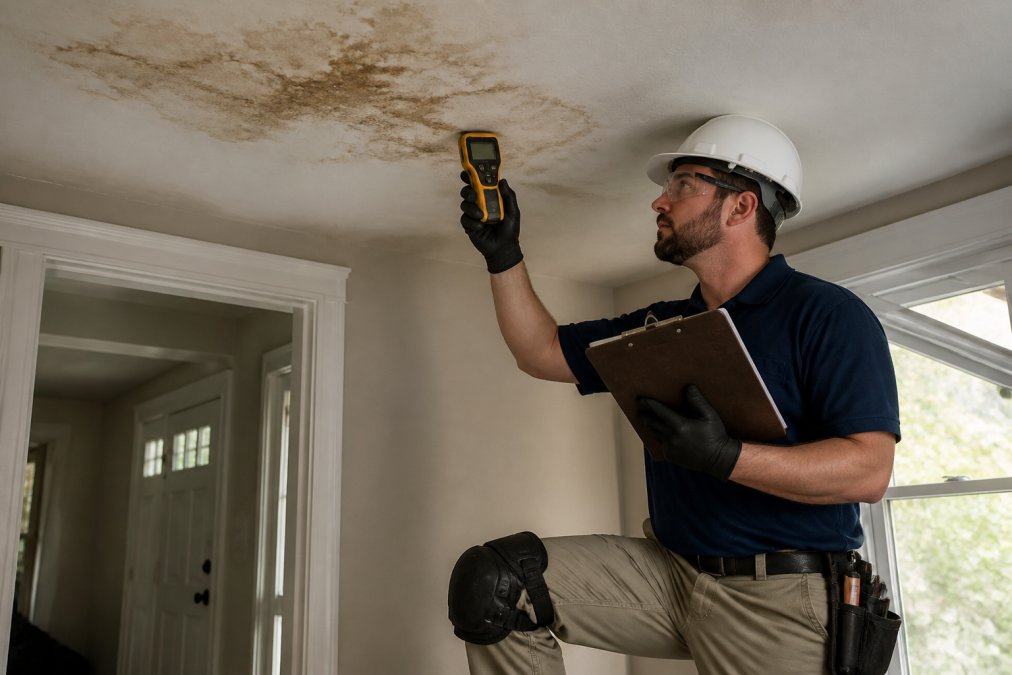
How the IICRC Sets Industry Standards
The IICRC publishes the consensus standards that define how restoration work should be performed. Its S500 standard governs water damage remediation, S520 covers mold remediation, and S700 addresses fire and smoke damage restoration (IICRC Standards). These documents specify how to categorize water losses, how to dry structural materials, when to remove versus restore, and what documentation a job requires. When an insurance adjuster reviews a claim, they are typically checking the work against those same standards. A technician who has been trained to them is not guessing.
IICRC Certification Requirements: What It Takes to Get Certified
Getting certified requires more than showing up for a class. The IICRC certification requirements for most technician-level credentials include completing an approved training course, passing a proctored exam, and maintaining the certification through continuing education. The core water damage credential, for example, is built around the S500 standard, so the coursework is technical: psychrometry, moisture mapping, drying science, and equipment selection.
Most technicians start with one certification and add specialties as they gain field experience. That progression matters, because the exam tests judgment, not memorization. Understanding why a hardwood floor needs a different drying approach than a concrete slab is the kind of thing you learn on real jobs.
IICRC Certification Cost and Duration: What to Expect
Most introductory articles wave at the cost of certification without putting a number on it. That is the single biggest gap in this topic, so here is the honest breakdown.
Course and exam costs. Technician-level IICRC courses typically run in the low hundreds of dollars per credential when taken through an approved training provider, with the certification exam fee billed separately.
Ask any training provider for the current course fee, exam fee, and renewal requirements in writing before you enroll. Fees and renewal terms change, and the provider is the only source that can give you the number that applies to your enrollment date.
IICRC certification and renewal requirements
The Importance of IICRC Standards in Water Damage Work
The importance of IICRC standards in water damage shows up most clearly in the documentation. Water damage remediation is a race against time: mold can begin colonizing wet materials within a day or two, and every hour of delay raises the cost of the claim. Standards tell a technician exactly how to categorize the loss, how much drying equipment to place, and when the structure is genuinely dry.
Skipping moisture documentation is the most common mistake in water damage work. A crew that dries a room without recording daily readings leaves the property owner with no proof the structure was actually dry, which is exactly the evidence an insurer or a buyer’s lender will ask for later.
Benefits for Technicians: Pay, Credibility, and Career Growth
Certification changes a technician’s earning trajectory, but the reason is more specific than “certified techs get paid more.” Here is the mechanism.
Why Certified Technicians Earn More
Restoration pay is tied to what a technician can be trusted to do unsupervised. An entry-level helper carries equipment and pulls wet carpet. A certified lead technician scopes the loss, calculates the drying setup, documents daily readings, and signs off that the structure is dry. Those are different jobs with different pay bands, and the certification is what unlocks the second one.
The Credential Stack and What It Unlocks
Each credential widens the job types a technician can be assigned:
- Water damage restoration (S500-based): the entry credential, and the one most technicians start with because water losses are the most common call.
- Applied mold remediation (S520-based): unlocks containment work, which is higher-margin and often requires a separate clearance step.
- Fire and smoke restoration (S700-based): unlocks odor control, soot removal, and contents cleaning work.
- Textile and upholstery cleaning: unlocks contents and soft-goods work, often billed separately from structural drying.
Career Advancement Path
From certified technician, the path runs to crew chief, then project manager, then master restorer. Master restorer is not a course you buy, it is a designation that reflects multiple certifications plus documented field experience across job types. The technicians who reach it are the ones who tracked their jobs and their credentials from day one rather than reconstructing a resume years later.
Continuing Education and Certification Maintenance
Certification maintenance is not busywork. Standards get revised, equipment improves, and remediation techniques evolve. Continuing education keeps a technician current on all three, and it is also how a technician stays eligible for the next credential in the stack. For the employer, that means the crew is working to the latest version of the standard, which reduces callbacks and rework.
Track certification renewal dates in the same system you use for equipment maintenance schedules. A lapsed certification discovered mid-job creates a documentation gap that can complicate an insurance claim.
The Employer-Side Benefit Most Technicians Never Hear About
There is a benefit of certification that flows to the business owner and, indirectly, back to the technician: certified crews can reduce a restoration company’s liability exposure. Carriers and underwriters look at training and standards adherence when pricing general liability and pollution liability coverage for restoration contractors. A documented, certified workforce is a lower-risk workforce on paper, and lower risk can mean better terms at renewal.
The fastest route to higher pay is not more hours. It is stacking certifications while documenting the jobs you run, so you can prove experience when you apply for the next tier.
Benefits for Property Owners and Employers
Hiring a certified restoration company protects the property owner as much as the technician. Certification is the clearest signal that the crew has been trained to industry standards, carries liability coverage, and can produce the documentation an insurer expects. For commercial property managers, that documentation is often the difference between a smooth claim and a disputed one.
Insurance Claims and Liability Reduction
Direct insurance billing and standards-based documentation reduce friction on claims. When a restoration company works to IICRC standards, the scope of work, the drying log, and the final moisture readings all line up with what the adjuster is looking for. That reduces the back-and-forth that delays repairs and keeps a business offline.
| Who Benefits | What Certification Delivers | Why It Matters |
|---|---|---|
| Restoration technician | Higher pay bands, career path to master restorer | Certified techs run jobs independently |
| Property owner | Standards-based work, documented drying | Insurer accepts the claim with less pushback |
| Commercial manager | Complete restoration from one team | Less downtime, fewer contractors to coordinate |
| Real estate seller | Mold clearance documentation | Buyer’s lender gets the proof it requires |
Step-by-Step Certification Roadmap
Here is the realistic path from new hire to certified lead technician:
- Choose your first credential. Most technicians start with the water damage restoration certification built around the S500 standard, since water losses are the most common job type.
- Complete the approved training course. Take it in person or online, and budget the time to actually absorb the drying science.
- Pass the proctored exam. The exam tests applied judgment, so field time before the test helps.
- Add specialties. Layer on mold remediation, fire and smoke restoration, or textile and upholstery cleaning as your job mix demands.
- Document your field hours. Track the jobs you run, because experience is what qualifies you for the next tier.
- Maintain and renew. Complete continuing education on schedule so your certification never lapses mid-project.
- Pursue master restorer status. Multiple certifications plus documented experience open the door to the highest designation in the field.
Frequently Asked Questions
Is IICRC certification worth it for restoration professionals?
For technicians who plan to stay in the restoration industry, IICRC certification is usually worth the investment. It signals technical proficiency to employers and clients. Certified technicians understand industry standards for water damage remediation, mold remediation, and fire damage restoration. Certification also helps with career advancement toward master restorer status.
How long is IICRC certification good for before it needs renewal?
IICRC certifications require renewal. This certification maintenance requirement keeps skills current with evolving industry standards and best practices. Staying current ensures technicians remain qualified to handle damage assessment, mitigation techniques, and regulatory compliance as standards evolve.
Does IICRC certification impact insurance claims and property restoration?
Yes. Insurance adjusters and property owners increasingly expect IICRC-certified technicians on restoration jobs. Certification demonstrates that the work follows recognized industry standards for moisture inspection, structural drying, and documentation. This can reduce pushback on claims because the scope of work and drying records align with what insurers expect. For property owners, hiring a certified firm often means smoother claims processing and fewer disputes about whether the restoration was done correctly.
What specific skills does an IICRC-certified technician possess?
IICRC-certified technicians are trained in water damage remediation, mold remediation, fire and smoke restoration, and textile cleaning. They know how to perform moisture inspections, use restoration equipment properly, document damage for insurance, and follow safety protocols. They also understand how to assess hard surfaces and upholstery, apply mitigation techniques, and meet quality assurance standards. This technical knowledge comes from formal training plus field experience required for certification.
Water damage and mold do not wait, and the difference between a well-documented recovery and a disputed claim often comes down to who you call. Aquaflame Restores it fields IICRC-trained technicians around the clock, offers a 30-minute arrival guarantee across metro Atlanta, handles direct insurance billing, and manages extraction, structural drying, and full reconstruction as one team. Get started with Aquaflame Restores it and put a certified crew on your property before the damage spreads.