Table of Contents
- What Is IICRC Certification
- Why IICRC Certification Matters for Restoration Work
- Understanding the IICRC S500 Standard
- Benefits of Hiring Certified Restoration Companies
- How to Verify IICRC Certification Before Hiring
- Certification vs. Licensing: What You Need to Know
- IICRC Certification and Insurance Claims
- Conclusion
Last Updated: August 22, 2026
What Is IICRC Certification
IICRC certification is a professional credential that validates a restoration technician’s knowledge and competency in water damage, fire damage, mold remediation, and related restoration services. The Institute of Inspection, Cleaning and Restoration Certification (IICRC) is an independent, nonprofit organization that establishes industry standards and certifies professionals who meet rigorous training and testing requirements.
When you hire a restoration company with IICRC-certified technicians, you’re working with professionals who have demonstrated mastery of core competencies required to handle property damage effectively. The certification covers water extraction and structural drying to fire and smoke remediation, mold inspection, and carpet cleaning protocols.
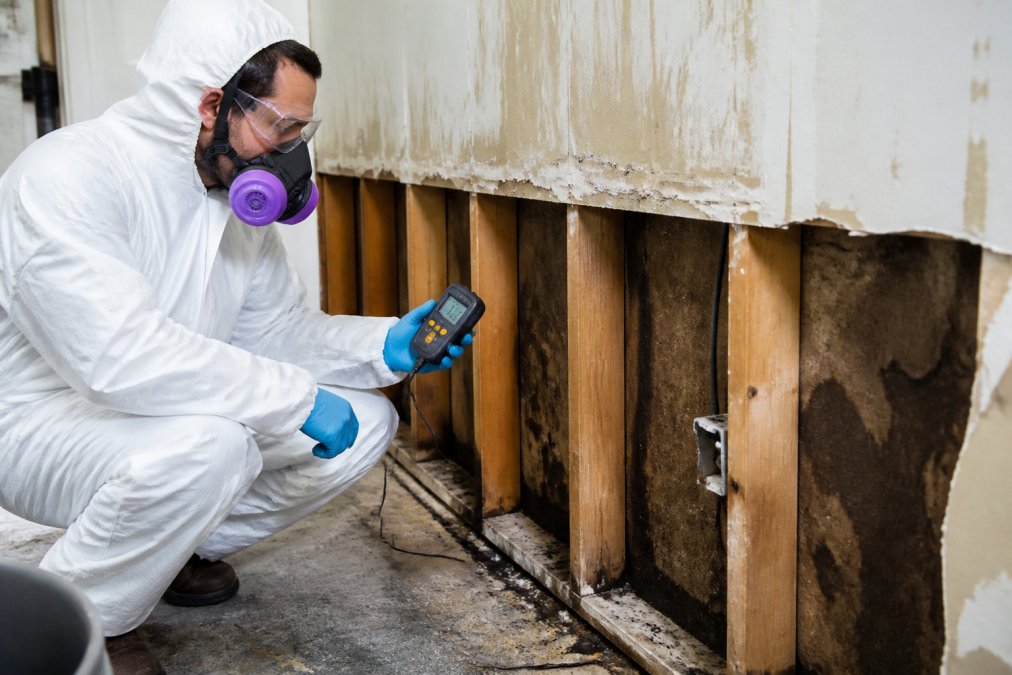
At Aquaflame Restores it, our team maintains active IICRC certifications across all service lines: water, fire, and mold restoration. Every technician who arrives at your property has met third-party validation standards, not just internal company training. The certification process requires specialized coursework, passing comprehensive exams, and maintaining credentials through ongoing continuing education.
Why IICRC Certification Matters for Restoration Work
The stakes in restoration work are high. Water left standing in walls causes structural rot within days (peer-reviewed research). Fire damage requires precise assessment to identify hidden damage. Mold spreads rapidly and creates health risks if not properly contained (the CDC). These problems demand expertise, not trial-and-error approaches.
IICRC certification creates accountability. A certified technician has passed independent testing validating their understanding of moisture dynamics, extraction sequencing, equipment operation, and safety protocols. This third-party validation ensures work follows proven methodologies rather than improvised approaches.
Restoration professionals who pursue IICRC certification signal commitment to quality and continuous improvement. The certification process establishes a baseline of competency across the industry, making it easier for property owners to distinguish trained professionals from contractors who simply own extraction equipment.
Many property owners don’t realize restoration work requires specialized knowledge. Water damage restoration differs from general construction. Fire damage assessment requires understanding how heat and smoke damage materials differently. Mold remediation demands knowledge of containment procedures, air quality monitoring, and proper disposal protocols. IICRC certification ensures technicians understand these distinctions.
Insurance adjusters recognize IICRC credentials as a mark of professional competency. When your claim gets reviewed, having certified professionals on the job strengthens your position and can expedite claim approval. Documentation from certified technicians carries more weight in claim disputes because it’s backed by industry-recognized standards.
Understanding the IICRC S500 Standard
The IICRC S500 standard is the foundational document guiding water damage restoration practices (iicrc.org). Titled "Standard and Reference Guide for Professional Water Damage Restoration," it serves as the technical backbone for how certified professionals approach water damage mitigation and restoration.
This standard covers essential competencies: water classification systems (clean water, gray water, black water), drying principles, equipment selection and operation, documentation procedures, and safety protocols. It establishes the language and methodology restoration professionals use across the industry. When a technician discusses "structural drying" or "dehumidification sequencing," they’re referencing concepts defined in this standard.
The S500 standard requires technicians to assess moisture levels in materials, calculate drying times based on environmental conditions, select appropriate equipment for each situation, and document progress throughout restoration. It’s a systematic approach to removing water and restoring materials to their pre-loss condition, not guesswork.
The standard also addresses equipment requirements. Proper water damage restoration demands specific tools: moisture meters to detect water in materials, dehumidifiers and air movers to accelerate drying, and extraction equipment to remove standing water. The S500 standard specifies how these tools should be deployed and monitored. A technician who understands the standard knows why equipment placement matters and how to adjust their approach based on moisture readings and drying progress.
When you ask about moisture testing, drying duration, or equipment selection, you’re essentially asking whether the work aligns with IICRC standards. Certified professionals can explain their approach in terms of the standard, demonstrating that decisions are based on established best practices rather than shortcuts.
Benefits of Hiring Certified Restoration Companies
When water, fire, or mold damage strikes your property, the first 24 hours are critical. Certified restoration companies understand this urgency and have the training to act decisively. They know which steps can’t be skipped and which decisions determine whether your property recovers fully or develops secondary damage like mold or structural deterioration.
Certified professionals bring technical expertise that translates directly to better outcomes. They assess damage accurately, identify hidden moisture that untrained eyes miss, and create restoration plans addressing root causes rather than symptoms. This expertise prevents costly mistakes and prevents moisture pockets that later develop mold.
Speed and efficiency improve significantly with certified technicians. They understand proper work sequencing: extract water first, then dry structural elements, then address contents. They know how to position equipment for maximum effectiveness and monitor drying progress systematically. What might take an inexperienced crew two weeks happens in days with certified professionals.
Insurance claim support is another tangible benefit. Certified technicians document work according to industry standards, providing detailed moisture readings, equipment logs, and before-and-after documentation that insurers expect. This documentation strengthens your claim and reduces disputes.
Certified restoration companies also understand risk management. They protect your property during restoration by containing affected areas to prevent mold spread, protecting unaffected contents, and managing air quality. These practices prevent secondary damage and health risks.
For commercial properties, certified restoration companies minimize downtime. They understand how to restore tenant spaces, coordinate with building systems, and document work satisfying both property managers and insurance carriers. Technical competency means restoration happens faster and more predictably.
How to Verify IICRC Certification Before Hiring
Before hiring any restoration company, verify that technicians actually hold current IICRC certifications. Confirmation takes minutes and protects you from working with uncertified contractors.
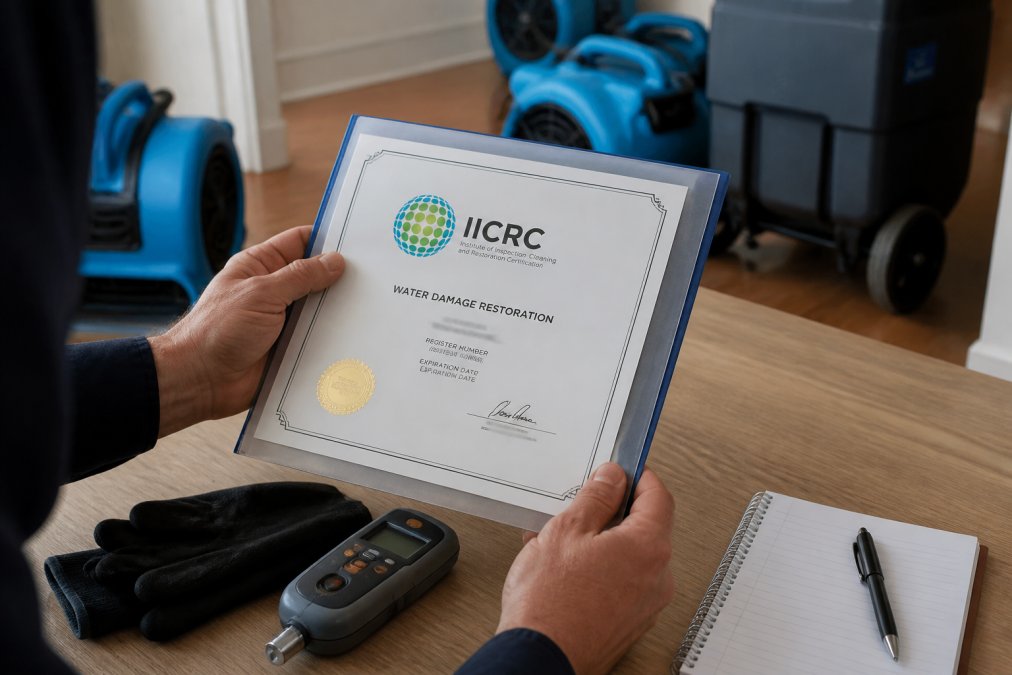
The IICRC maintains a public directory of certified professionals on their website. You can search by name, company, or location to confirm whether specific technicians hold active certifications. Ask the restoration company for the names of technicians who will work on your property, then verify each one in the IICRC directory. If a company hesitates to provide technician names or if those names don’t appear in the directory, that’s a red flag.
When you call for an estimate, ask directly: "Are your technicians IICRC certified?" Listen for specificity in the response. A legitimate company will tell you which certifications their team holds and can provide certification numbers. Vague answers suggest the company may not have certified technicians on every job.
Request documentation of certifications. Reputable companies provide copies of technicians’ IICRC credentials as part of the estimate or initial paperwork. You should see current certification cards showing the technician’s name, certification type, and expiration date.
Ask about continuing education. Certified professionals must complete continuing education hours annually to maintain credentials. A company that discusses recent training demonstrates commitment to staying current.
Check the company’s insurance and licensing separately from IICRC certification. IICRC certification validates technical competency, but you also want to confirm the company is licensed in your state and carries appropriate liability insurance.
Ask for references from previous clients. A certified company should provide contact information for recent customers who can speak to the quality of work and technicians’ competency.
Certification vs. Licensing: What You Need to Know
IICRC certification and state licensing serve different purposes, and understanding the distinction helps you evaluate restoration companies accurately.
State licensing is a legal requirement that varies by state. Many states require restoration companies to hold specific licenses before operating. Licensing verifies that a company meets baseline legal requirements: proper business registration, liability insurance, and sometimes basic training. Licensing is about legal compliance.
IICRC certification is a voluntary, industry-recognized credential validating technical competency. It’s not required by law, but it demonstrates that technicians have studied specialized restoration practices and passed comprehensive exams. Certification is about professional expertise and industry standards.
A company can be legally licensed but have technicians with minimal training. Conversely, a company might have IICRC-certified technicians but operate in a state that doesn’t require restoration licensing. The best situation is a company that meets both requirements: licensed to operate in your state and staffed with IICRC-certified technicians.
Ask restoration companies about their licensing status upfront. A legitimate company will provide their state license number and explain which licenses they hold. If a company can’t or won’t provide licensing information, move on to another option.
IICRC Certification and Insurance Claims
When you file a property damage claim, the restoration work you choose directly affects how your claim is handled and whether you receive full coverage.
Insurance adjusters recognize IICRC standards. When they review your claim, they’re looking for documentation showing the restoration work followed industry best practices. Certified professionals provide this documentation automatically because their work processes are designed around IICRC standards.
When an adjuster inspects restoration work or reviews documentation, they assess whether the approach was appropriate for the damage. If work was performed by certified technicians following IICRC standards, the adjuster has confidence the restoration was done correctly. If work was performed by uncertified contractors using informal methods, the adjuster may question whether the approach was adequate.
Documentation from certified technicians strengthens your claim position. Certified professionals document moisture readings, equipment placement, drying times, and completion criteria, creating a record proving the work was thorough and systematic. If the insurance company questions the claim later, you have evidence that restoration followed established standards.
Certified companies understand insurance terminology and documentation requirements. They know what adjusters expect and provide it proactively, reducing back-and-forth communication and speeding claim approval.
When you hire an uncertified contractor, you risk having your claim questioned. If restoration work doesn’t meet industry standards, the insurance company may deny coverage for secondary damage or require additional work at your expense. Certified professionals help you avoid this scenario by ensuring work is done right the first time and documented thoroughly.
Conclusion
IICRC certification represents a commitment to professional competency and industry standards in restoration work. When water, fire, or mold damage affects your property, the difference between certified and uncertified technicians directly impacts your recovery timeline, restoration quality, and insurance claim experience.
Aquaflame Restores it maintains active IICRC certifications across our entire team, ensuring every technician has met third-party validation standards for technical competency. We provide 24/7 emergency response with a 30-minute arrival guarantee, direct insurance billing to eliminate claim hassles, and complete restoration from one trusted team. When damage strikes, you need professionals who know exactly what they’re doing. Call Aquaflame Restores it for emergency restoration services backed by certified expertise.
Frequently Asked Questions
How long is IICRC certification good for?
IICRC certifications are typically valid for three years from the date of issuance. Professionals must complete continuing education hours and pass recertification requirements before their credentials expire. This ongoing requirement ensures that certified technicians stay current with evolving industry standards and restoration technology.
Why is IICRC certification critical for water damage restoration?
IICRC certification ensures technicians understand proper water extraction, structural drying, and moisture detection techniques that prevent secondary damage like mold growth. Certified professionals follow industry standards for assessment, mitigation, and documentation, critical for supporting insurance claims and protecting your property's structural integrity. Without proper training, restoration work can leave hidden moisture that causes costly problems months later.
How do I verify IICRC certification for a restoration company?
Ask the restoration company for their technicians' certification numbers and verify them directly through the IICRC's online directory on their official website. Request proof of current certification, not expired credentials. Legitimate companies provide this information readily because third-party validation builds consumer trust. You can also ask about their specific certifications, Water Restoration Technician, Fire and Smoke Restoration Technician, or Mold Remediation Technician, depending on your damage type.
Does insurance require IICRC-certified technicians?
While insurance policies don't universally mandate IICRC certification, many insurers prefer or recommend certified professionals because certification indicates technical proficiency and adherence to industry standards. Certified technicians produce documentation that insurers recognize, which can streamline your claims process and reduce disputes over whether work met professional standards. Working with certified professionals strengthens your claim and protects you from liability if restoration work fails.
This article was written using GrandRanker