Table of Contents
- What Determines the Cost of Professional Mold Remediation
- Average Cost of Mold Removal by Scenario
- Hidden Cost Variables in Mold Remediation Projects
- DIY Mold Removal vs Professional Cost and When to Hire
- Mold Inspection Cost and What It Reveals
- Insurance Coverage and Claims Navigation for Mold Remediation
- Vetting Professional Contractors and Avoiding Hidden Costs
- Geographic Cost Variations Across Metro Atlanta
Cost of Professional Mold Remediation: 2026 Pricing Guide
Last Updated: August 2, 2026
The cost of professional mold remediation varies dramatically based on contamination scope. According to the Environmental Protection Agency (EPA), mold remediation is one of the most expensive restoration services homeowners encounter, second only to major water damage and fire restoration. Below, we’ll break down what determines your final bill, what insurance covers, and how to avoid hidden costs.
What Determines the Cost of Professional Mold Remediation
Professional mold remediation costs depend on multiple overlapping factors that compound as the problem grows.
Scope and severity of infestation
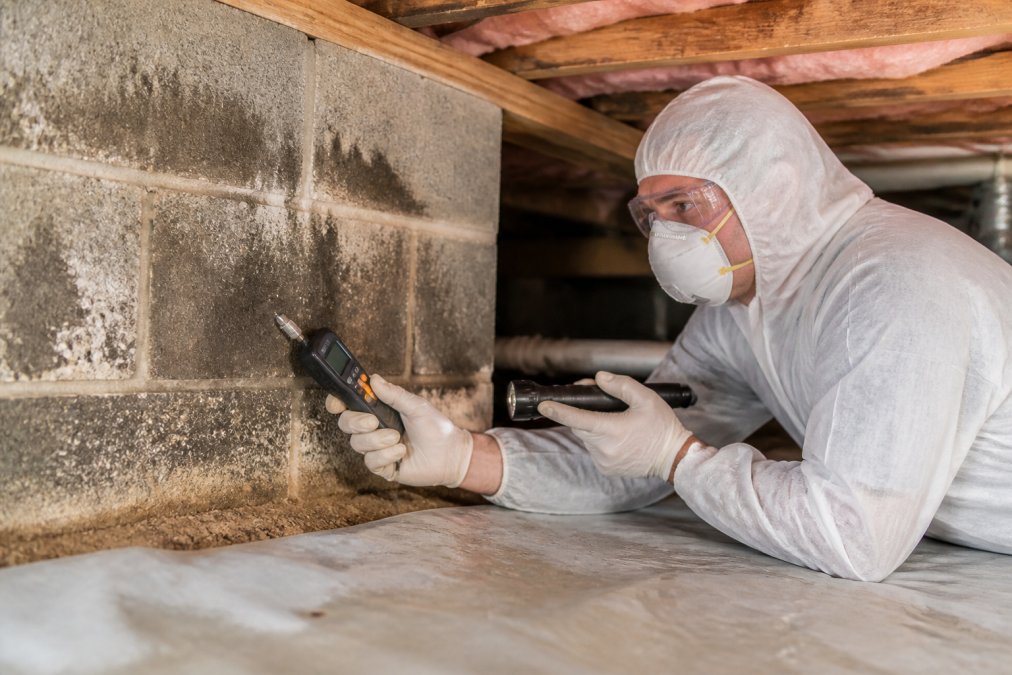
Small, localized patches confined to a single wall or bathroom corner cost far less than mold spread across multiple rooms or infiltrated into structural materials. Visual mold on drywall or tile is straightforward to address. The real expense emerges when mold colonizes inside wall cavities, crawl spaces, or HVAC systems.
Contamination severity falls into three categories. Surface-level mold on non-porous materials requires containment and biocide application with minimal structural intervention. Deep contamination affecting porous materials like insulation, drywall, and framing demands removal and replacement. Extensive infestations compromising structural integrity, where mold has weakened wooden joists or beams, require structural repairs that dwarf removal costs.
Property size and affected areas
Remediation contractors charge per square foot of affected area, not total property size. The EPA recognizes that protocol scales with contamination area: small jobs under 10 square feet follow different containment requirements than medium projects between 10-100 square feet or large-scale abatement exceeding 100 square feet.
Accessibility complicates pricing. Mold in easily reached areas costs less than mold in attics, crawl spaces, or behind walls. Crawl space and attic remediation require additional equipment, extended work hours, and specialized safety protocols. Confined spaces with poor ventilation increase both time required and personal protective equipment needed.
Structural materials and accessibility
Homes with wood framing, fiberglass insulation, and drywall face higher costs when mold penetrates these porous materials because they often require removal and replacement. Homes with concrete foundations, tile surfaces, and metal studs can sometimes be remediated through surface treatment alone.
If mold is suspected inside walls but not visible, contractors must perform air quality testing and potentially create access holes to assess the situation. Each access point adds labor. If structural materials prove severely compromised, framing replacement becomes necessary, transforming a $3,000 remediation into a $15,000+ project.
Average Cost of Mold Removal by Scenario
Small localized mold growth
Mold confined to a single bathroom corner, small attic section, or isolated wall area represents the least expensive scenario. These projects involve visible mold on non-structural surfaces and typically complete in one to three days. Remediation includes moisture control assessment, containment barriers, biocide application, and HEPA filtration. If the affected area remains under 10 square feet and doesn’t involve structural materials, costs stay at the lower end.
Moderate contamination across multiple rooms
When mold spreads to multiple rooms or involves larger surface areas, complexity and labor intensity increase significantly. Moderate infestations might affect a bathroom, adjacent bedroom, and hallway, or a basement section spanning 200-300 square feet. These projects require extensive containment barriers, longer air scrubbing times, and often structural assessment.
Moderate remediation typically takes three to seven days. If HVAC decontamination is necessary because mold spores have colonized ductwork, costs increase substantially. Insurance claims become more likely at this scale, which adds documentation requirements but may offset out-of-pocket expenses.
Extensive remediation with structural damage
Large-scale infestations affecting multiple floors, entire basements, or crawl spaces, or cases where structural materials require replacement, represent the most expensive category. These projects span two to four weeks or longer. Full HVAC decontamination, crawl space encapsulation, and structural repairs all factor into the final cost. The contractor must coordinate with structural engineers, obtain building permits, and manage complex insurance claims.
Hidden Cost Variables in Mold Remediation Projects
Most homeowners focus on visible mold and quoted removal costs, then face sticker shock when the final bill arrives.
Root cause investigation and moisture control
Professional remediation doesn’t end when visible mold is removed, it begins there. The root cause must be identified and corrected, or mold returns within weeks. Root cause investigation requires moisture meter readings, thermal imaging, humidity monitoring, and sometimes destructive testing to assess moisture levels inside walls.
Moisture control solutions vary in cost. A simple fix like repairing a roof leak costs hundreds. A complex fix like installing a sump pump system or crawl space encapsulation costs thousands. Many homeowners discover the mold was just the symptom; the real problem was chronic moisture requiring permanent correction.
HVAC decontamination and air quality testing
If mold spores have colonized your HVAC system, the entire ductwork must be cleaned and treated. HVAC decontamination requires professional equipment and specialized technicians. Air quality testing itself adds cost, initial testing identifies whether mold spores are present, and post-remediation testing confirms remediation success. Multiple rounds of testing can add $1,000-$3,000 to the project.
Request that your contractor provide a detailed breakdown of testing costs upfront. Some contractors bundle testing into their remediation fee; others bill separately.
Containment barriers and personal protective equipment
Professional remediation requires sealed containment barriers to prevent mold spores from spreading during removal. Barriers are built from plastic sheeting, negative air pressure systems, and HEPA filtration. The larger the affected area, the more extensive the containment setup.
Professional-grade personal protective equipment, respirators, protective suits, gloves, and shoe covers, adds material costs. Regulations require specific types depending on mold type and spore count. If black mold or other highly allergenic species are present, stronger protective measures increase labor time and equipment costs.
DIY Mold Removal vs Professional Cost and When to Hire
Safety risks and liability of DIY approaches
Mold exposure carries serious health consequences, particularly for people with respiratory conditions, compromised immune systems, or mold allergies. Without proper respiratory protection and containment, DIY removal exposes you and your family to hazards.
Liability is another consideration. If incomplete removal leads to mold recurrence, you’re responsible for additional costs. Professional contractors carry insurance that protects you if something goes wrong and often offer remediation guarantees.
Building codes and insurance policies often require professional remediation for claims to be valid. Attempting DIY treatment and then filing an insurance claim can result in denial if the insurer determines you didn’t follow proper protocol.
Why incomplete removal leads to costly recurrence
Visible mold is just the surface. Mold colonies extend into materials you can’t see, behind walls, within insulation, in HVAC ducts. Incomplete removal leaves dormant spores that reactivate when moisture returns. Many homeowners discover this the hard way: they clean visible mold, the problem returns within months, and they end up paying for remediation twice.
Professional contractors use air quality testing and moisture assessment to identify hidden contamination. They follow remediation protocol standards established by the Institute of Inspection, Cleaning and Restoration Certification (IICRC), which ensure comprehensive removal rather than cosmetic cleanup.
If you’ve attempted [DIY mold removal](/professional-mold-removal-vs-diy/) and the problem returned, disclose this to professional contractors upfront. Recurrent mold indicates a deeper issue that will cost more to address properly the second time.
Mold Inspection Cost and What It Reveals
Professional inspection is the most cost-effective step in the remediation process.
Visual assessment vs air quality testing
A visual mold inspection involves a trained technician examining accessible areas for visible mold growth and moisture damage. Visual assessment is relatively inexpensive and completes in 1-2 hours. The technician checks for conditions that encourage mold: poor ventilation, water intrusion points, and moisture retention in materials.
Air quality testing measures mold spore concentration in your home’s air. This is more expensive but provides objective data about contamination severity. Moisture assessment using moisture meters and thermal imaging can identify hidden moisture in walls and structural cavities, the most comprehensive, and most expensive, inspection approach.
How inspection findings drive remediation pricing
Inspection results directly determine remediation scope and cost. A visual inspection revealing surface mold might suggest a small job, but if the inspector detects moisture behind the wall or finds mold in the attic, the project expands significantly. Air quality testing showing elevated spore counts indicates contamination is more extensive than visual inspection suggests, requiring more aggressive remediation.
Inspection also reveals whether structural materials are affected. Without inspection, contractors estimate based on visible damage, then discover hidden problems mid-project, leading to change orders and cost overruns.
Insurance Coverage and Claims Navigation for Mold Remediation
Insurance coverage for mold is notoriously limited, but understanding your policy can significantly reduce out-of-pocket costs.
What homeowner insurance policies actually cover
Most homeowner insurance policies exclude mold damage entirely or cover only mold resulting from specific, sudden events like burst pipes or storm damage. Mold from a sudden water event may be covered under the water damage section. Mold from gradual moisture accumulation or chronic humidity is almost never covered.
Coverage limits matter enormously. Even policies covering mold typically cap claims at $5,000-$10,000, far below what extensive remediation costs. Some policies exclude mold entirely. Reading your policy carefully or asking your agent to clarify coverage is essential before facing a claim situation.
Flood insurance, sold separately from homeowner insurance, typically doesn’t cover mold either, a critical gap for homeowners in flood-prone areas.
Documentation and clearance requirements for claims
Insurance companies require extensive documentation before approving mold claims. Professional inspection reports, photographs, moisture readings, and air quality testing results are all necessary. Receipts for materials and labor, along with detailed contractor invoices, must be submitted.
Clearance documentation is critical. After remediation, your contractor must provide a clearance report confirming that mold spore counts have returned to normal levels. Many insurance companies won’t approve final payment without this clearance documentation.
Start the insurance claim process immediately after discovering mold. Document everything with photos and written descriptions. Contact your insurance agent before hiring a contractor, some insurers prefer specific contractors or require pre-approval for claims to be valid.
Vetting Professional Contractors and Avoiding Hidden Costs
Not all mold remediation contractors are created equal.
IICRC certification and remediation protocol standards
The Institute of Inspection, Cleaning and Restoration Certification (IICRC) establishes the industry standard for mold remediation protocol. IICRC-certified contractors have completed formal training in containment procedures, removal techniques, and verification testing.
IICRC certification matters because it signals the contractor understands proper remediation protocol and follows industry standards. Non-certified contractors may cut corners, inadequate containment, insufficient air scrubbing, or skipped verification testing, that lead to incomplete remediation and recurrence.
When vetting contractors, ask specifically about IICRC credentials and verify them independently through the IICRC website. A contractor who can’t provide this information is a red flag.
Getting accurate estimates and identifying red flags
Legitimate contractors provide detailed written estimates that break down labor, materials, containment, testing, and any structural repairs. Vague estimates that lump everything into a single line item are suspicious.
Red flags include contractors who won’t perform inspection before estimating, who quote significantly lower prices without clear justification, or who pressure you to decide immediately. Request references from recent projects and ask whether the contractor provided clearance documentation and whether homeowners have experienced mold recurrence.
At Aquaflame Restores it, our IICRC-trained technicians provide detailed assessments before quoting, manage direct insurance billing to reduce your out-of-pocket costs, and offer comprehensive remediation with post-project clearance documentation. Our 24/7 emergency response means you’re not waiting weeks for help while mold spreads, we arrive within 30 minutes across metro Atlanta.
Geographic Cost Variations Across Metro Atlanta
The Atlanta area’s humid subtropical climate creates ideal conditions for mold growth. High humidity, frequent rain, and warm temperatures mean mold problems are common and remediation demand is steady. This high demand means contractors are busier, which can increase labor costs, but the competitive market also keeps prices competitive if you shop around.
Many older homes in established Atlanta neighborhoods have crawl spaces rather than basements, and crawl space mold remediation is often more expensive due to accessibility challenges. Labor costs in Atlanta are higher than in rural Georgia but lower than in major northern metropolitan areas.
Mold remediation is rarely a small expense, but it’s an investment in your home’s structural integrity and your family’s health. The cost reflects the complexity of identifying hidden contamination, removing it safely, and preventing recurrence through moisture control. Attempting to cut corners almost always costs more in the long run. At Aquaflame Restores it, we handle the entire remediation process, from detailed inspection and documentation for insurance claims to IICRC-certified removal and final clearance testing. If you’re facing mold in your metro Atlanta home, contact Aquaflame Restores it for a professional assessment and transparent estimate. With our 30-minute arrival guarantee and 24/7 emergency availability, you won’t be waiting while mold spreads.
Frequently Asked Questions
What factors influence the cost of mold remediation most significantly?
The primary cost drivers are the extent of contamination, affected square footage, and whether the mold has compromised structural integrity. Crawlspace encapsulation, HVAC decontamination, and moisture control systems add substantially to the final bill. Additionally, if the root cause, like a roof leak or basement water intrusion, requires repair, that becomes part of the remediation cost. Professional assessment identifies all these variables upfront, preventing surprise expenses later.
How much does a mold inspection cost, and is it worth the investment?
A thorough mold inspection involving visual assessment and air quality testing helps identify hidden contamination that DIY approaches miss. This inspection cost is essential because it determines the actual scope of remediation needed. Without it, you risk incomplete removal that leads to costly recurrence within months. The inspection also provides documentation required by insurance companies and home buyers, making it a critical investment rather than an optional expense.
Is mold remediation covered by homeowner insurance, and how do I navigate the claim?
Coverage depends on the cause. If mold results from sudden water damage (burst pipe, storm flooding), your homeowner insurance policy typically covers remediation. However, mold from ongoing moisture issues or poor maintenance is usually excluded. To navigate claims successfully, obtain professional documentation from your remediation contractor showing the mold source and remediation protocol used. Direct communication between your contractor and insurance adjuster prevents disputes and ensures proper reimbursement.
Why is professional mold remediation better than DIY removal, even though it costs more?
Professional remediation addresses root causes, moisture sources, HVAC contamination, and structural damage, that DIY cleaning misses. Incomplete removal allows spores to regrow within weeks, doubling your total cost. Licensed contractors follow remediation protocols, use HEPA filtration and containment barriers, and provide clearance documentation that protects your property value. For crawlspace or attic mold, professional assessment prevents structural deterioration that could cost tens of thousands to repair later.
What questions should I ask contractors to avoid hidden costs in mold remediation?
Ask specifically about moisture control solutions, whether HVAC decontamination is included, and if the estimate covers root cause repair or just remediation. Request itemized pricing that separates assessment, containment, removal, drying, and restoration. Confirm the contractor holds IICRC certification and will provide clearance documentation. Ask for references from similar projects and clarify their response time guarantee. Transparent contractors explain why costs exist rather than padding estimates with vague line items.
This article was written using GrandRanker