
Table of Contents
- Immediate Steps to Stop Water Damage and Protect Your Property
- Documenting Water Damage for Insurance Claims
- Understanding Your Homeowners Insurance Policy Coverage
- Filing Your Water Damage Claim: Timeline and Process
- How to Talk to Insurance Adjusters Effectively
- Common Reasons Water Damage Claims Get Denied
- Appealing a Denied Water Damage Claim and Public Adjuster Options
- Conclusion
Last Updated: August 14, 2026
Immediate Steps to Stop Water Damage and Protect Your Property
Stop the water source immediately by shutting off the main valve if a burst pipe caused the damage. Turn off electricity to affected areas, then begin water removal using a wet/dry vacuum, mop, or towels. Move salvageable items to dry areas and open windows for air circulation.
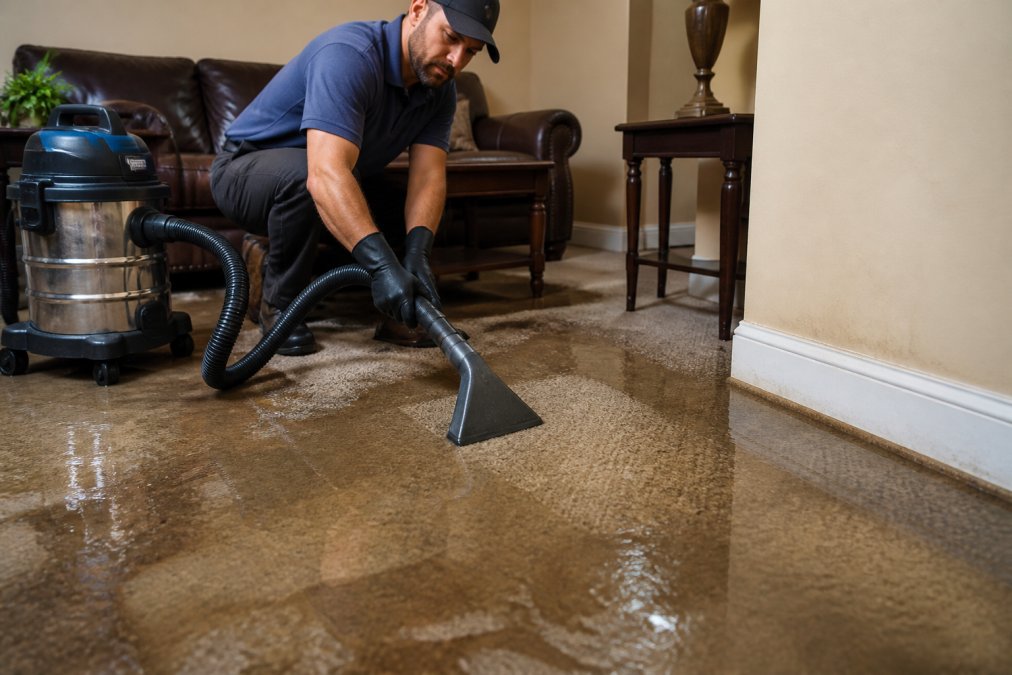
If mold becomes visible or you notice a musty odor, professional intervention is essential. A restoration company like Aquaflame Restores it can deploy industrial-grade extraction equipment and dehumidification systems far more effectively than household tools.
Document everything before cleanup begins. Take photos and videos of standing water, damaged materials, and affected personal property. This documentation is your proof of loss for your insurance claim. Contact your insurance provider within 24 hours of discovering the damage to activate your policy coverage window.
Delaying water extraction beyond 24-48 hours allows mold to colonize wet materials. Once mold takes hold, [remediation costs multiply dramatically](/cost-of-professional-mold-remediation-2026-pricing-guide/), and your insurance may deny coverage for mold damage if deemed preventable through timely mitigation. Act fast.
Documenting Water Damage for Insurance Claims
Thorough documentation is your strongest tool when filing an insurance water claim. Photograph every affected area from multiple angles, capturing water stains, warped flooring, discolored drywall, and any visible mold growth.
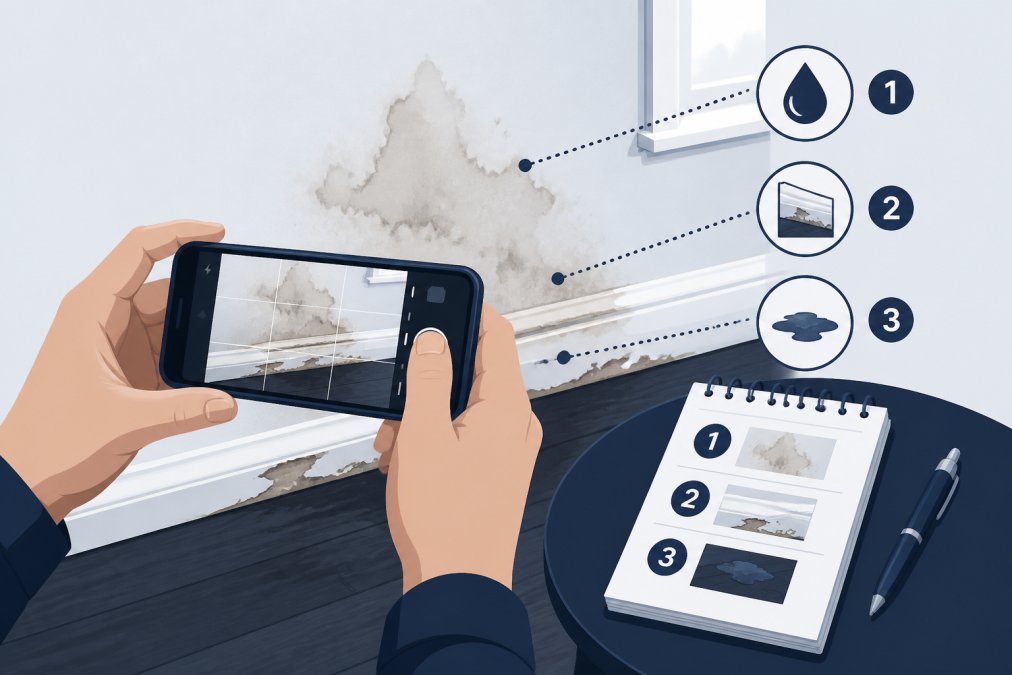
Create a detailed inventory of damaged personal property. List each item, its approximate age, and estimated replacement cost. For example: "brown leather sectional sofa, purchased 2019, estimated replacement $2,400." Include model numbers and serial numbers for electronics and appliances.
Keep all receipts, repair estimates, and invoices related to the damage and restoration. If you hire a restoration company, their assessment report becomes critical evidence. Professional documentation carries more weight than homeowner observations alone.
Write a detailed account of what happened, including the date, time, cause, and immediate actions taken. Email this to your insurance company as a follow-up to your initial claim report.
Use a smartphone app or spreadsheet to organize your inventory by room, item description, purchase date, and estimated value. This systematic approach prevents forgotten items when stressed and formats your claim information exactly how adjusters expect it.
Understanding Your Homeowners Insurance Policy Coverage
Your homeowners insurance policy specifies what water damage is covered and what’s excluded. Most standard policies cover sudden and accidental water damage, a burst pipe, overflowing toilet, or roof leak from a storm, but typically exclude gradual damage from slow leaks or negligence.
A pipe that bursts overnight and floods your basement is covered. A slow drip from a corroded joint leaking for months is typically not covered. Read your coverage limits and deductible carefully. Coverage limits cap what your insurer will pay, and your deductible is what you pay out of pocket before coverage begins.
Sewer backup coverage is often excluded and requires an add-on endorsement. Flood damage from external water sources is typically excluded and requires a separate flood insurance policy through the National Flood Insurance Program or a private carrier.
Review your policy’s definition of "water damage" versus "loss of use" coverage. Water damage covers physical restoration; loss of use reimburses temporary housing and living expenses if your home becomes uninhabitable during restoration.
Request a policy review from your insurer before a crisis hits. Ask specifically: What types of water damage are covered? What’s the deductible? Are sewer backup and loss of use included? This clarity eliminates guesswork when you need to file a claim.
Filing Your Water Damage Claim: Timeline and Process
Contact your insurer within 24-48 hours of discovering damage. Most policies require notification within 30 days. Have your policy number ready and provide a brief description. Your insurer will assign a claim number and schedule an adjuster inspection.
The adjuster’s inspection typically occurs within 3-7 business days. Be present during the inspection and point out details you’ve photographed. Request that they examine areas thoroughly, as hidden moisture leads to mold growth that costs far more to remediate later.
After inspection, your insurer sends a repair estimate and coverage determination. If it’s lower than expected, you have the right to request a second opinion or hire your own adjuster. A professional restoration company’s detailed assessment provides leverage if your insurer’s estimate undervalues the damage.
Begin mitigation immediately. Mitigation refers to temporary repairs and actions that prevent further damage, extracting standing water, running dehumidifiers, or boarding up windows. Your policy requires mitigation; failure to do so can result in claim denial. Most insurers cover mitigation costs separately from restoration costs.
How to Talk to Insurance Adjusters Effectively
Your insurance adjuster determines what your insurer will pay. Approach them as a professional partner, not an adversary. Prepare for the inspection by organizing your documentation, photos, inventory list, receipts, and repair estimates.
Walk the adjuster through the damage systematically, using your documentation to support observations. Ask the adjuster to explain their assessment in detail. If repair cost estimates are significantly lower than your quotes, ask why and request written documentation of their reasoning.
Communicate in writing whenever possible. After the inspection, send an email summarizing what the adjuster observed and any commitments they made. This written record prevents misunderstandings and supports you if you need to appeal later.
Never admit fault or liability during adjuster conversations. Statements like “I should have maintained the gutters better” can be used to deny your claim as preventable damage. Stick to facts: what happened, when you discovered it, and what you’ve done to mitigate [further damage](/how-to-stop-water-damage-spreading/).
Common Reasons Water Damage Claims Get Denied
The most common denial reason is failure to report damage promptly. If you wait weeks or months to file a claim, your insurer may deny it. Report damage within 24-48 hours of discovery.
Lack of documentation is another frequent cause of denial or underpayment. If you can’t prove what was damaged or its value, your adjuster will estimate conservatively. Photograph damage before cleanup and provide receipts for damaged items.
Gradual damage exclusions deny claims for slow leaks or negligence. If your adjuster determines the damage resulted from a slow leak you should have noticed and fixed, they may deny the claim.
Failure to mitigate damages leads to denial or reduced payment. Your policy requires you to take reasonable steps to prevent further damage. Begin mitigation immediately upon discovering damage.
Policy exclusions are another source of denial. Sewer backup, flood, or mold damage may be excluded from your standard policy. Understanding your policy before damage occurs is critical.
Appealing a Denied Water Damage Claim and Public Adjuster Options
If your insurer denies your claim or significantly underpays it, request a detailed written explanation of the denial. Review the denial letter against your policy language. If the denial seems inconsistent with your policy terms, you have grounds for appeal.
File a written appeal with your insurer, attaching additional documentation that contradicts the denial. If the denial was based on insufficient evidence, submit professional assessments or repair estimates. If based on policy interpretation, cite specific policy language that supports your position.
If your appeal is denied and the claim amount is significant, consider hiring a public adjuster. A public adjuster is an independent professional licensed to represent policyholders in insurance disputes. They typically charge a percentage of the settlement they secure (usually 7-10%), so they’re only paid if they increase your payout.
You can also file a complaint with your state’s Department of Insurance if you believe your insurer acted in bad faith. Bad faith occurs when an insurer denies a claim without reasonable investigation, misrepresents policy terms, or unreasonably delays payment.
For complex claims involving structural damage or mold remediation, working with a professional restoration company strengthens your position. Aquaflame Restores it provides detailed damage assessments and repair estimates that give your appeal credibility. Their IICRC-trained technicians document moisture levels and detail restoration requirements in technical language that adjusters respect.
Appeals succeed when you provide evidence your insurer missed or misinterpreted. Gather professional assessments, detailed repair estimates, and expert opinions that contradict the denial. Written appeals with supporting documentation have higher success rates than phone calls.
Conclusion
Water damage claims require speed, documentation, and persistence. Your first actions, stopping the water source, documenting damage, and contacting your insurer, directly determine your settlement.
When water damage strikes your home or business, Aquaflame Restores it provides the professional support that transforms a crisis into manageable recovery. Their IICRC-trained technicians respond within 30 minutes, handle direct insurance billing, and manage the complete restoration process from water extraction through reconstruction. With 24/7 emergency availability and a 5-star rating, they ensure your property returns to its original condition. Contact Aquaflame Restores it immediately when water damage occurs; their expertise in navigating insurance water claims eliminates the stress of managing this process alone.
| Step | Timeline | Key Action |
|---|---|---|
| Stop water source | Immediate | Shut off main valve or locate leak origin |
| Extract standing water | Within 24 hours | Use wet/dry vacuum or call restoration company |
| Document damage | Before cleanup | Photograph and video all affected areas |
| Contact insurer | Within 24-48 hours | Report claim and schedule adjuster inspection |
| Adjuster inspection | 3-7 business days | Be present and provide documentation |
| Review settlement | 7-14 days | Dispute if estimate is significantly low |
| Approve repairs | Upon agreement | Authorize restoration work to begin |
Frequently Asked Questions
What should I do immediately after discovering water damage?
Stop the water source by shutting off the main valve if it’s a burst pipe. Turn off electricity to affected areas. Begin removing standing water with a wet/dry vacuum or mop. Move salvageable items to dry areas. Document everything with photos before cleanup. Contact your insurance company within 24 hours.
How long does a water damage claim typically take to settle?
Most claims settle within 2-4 weeks, including adjuster inspection (3-7 days), estimate preparation (3-5 days), and settlement negotiation (5-10 days). Complex claims may take 6-12 weeks. Prompt documentation and cooperation accelerates the process.
Can I start repairs before my insurance adjuster inspects the damage?
Wait for the adjuster inspection before major repairs, but begin mitigation immediately. Mitigation includes water extraction, dehumidification, and temporary measures to prevent further damage. Your policy requires mitigation, and these costs are typically covered separately.
What’s the difference between sudden and gradual water damage for insurance purposes?
Sudden damage is unexpected and occurs quickly, a burst pipe, overflowing toilet, or roof leak from a storm. Gradual damage develops slowly over time, a slow drip from corroded plumbing or a leak ignored for months. Most policies cover sudden and accidental damage but exclude gradual damage.
What documentation do I need for a water damage claim?
Photograph and video all damage from multiple angles. Create an itemized inventory of damaged personal property with purchase dates and estimated values. Gather receipts for damaged items. Collect repair estimates from restoration companies. Keep records of all mitigation costs. Maintain written correspondence with your insurance company.
What should I do if my insurance company denies my water damage claim?
Request a detailed written explanation of the denial. Review your policy language to identify inconsistencies. File a written appeal with additional supporting documentation. If the appeal is denied and the amount is significant, consider hiring a public adjuster. You can also file a complaint with your state’s Department of Insurance if you believe the denial is in bad faith.
Additional Resources
For further guidance on water damage claims and restoration, consult the National Association of Insurance Commissioners guide to filing claims, which explains state-by-state claim procedures and policyholder rights. The Institute of Inspection, Cleaning and Restoration Certification standards outline professional restoration practices that ensure proper mitigation and remediation. Additionally, the Insurance Information Institute’s water damage coverage guide clarifies common coverage exclusions and how to avoid claim denials through proper documentation and timely reporting.
Frequently Asked Questions
Why would a water damage claim be denied?
Insurance companies deny water damage claims most often due to policy exclusions, lack of documentation, or determination that damage resulted from gradual issues rather than sudden events. Maintenance failures (like a slow roof leak ignored for months) typically fall outside coverage. Flooding from external sources is usually excluded unless you have separate flood insurance. Providing clear photographic evidence, repair estimates, and proof that the damage was sudden and accidental strengthens your claim significantly.
What should I say to an insurance adjuster for water damage?
Stick to facts: describe exactly when you discovered the damage, what caused it, and what steps you took immediately. Provide your documentation package (photos, videos, receipts, repair estimates) without editorializing. Avoid speculation about coverage or settlement amounts. If asked about previous water issues, be honest but concise. Say 'I don't know' rather than guessing about policy details. Always follow up conversations with written summaries via email to create a clear record of what was discussed.
How long does the water damage claim timeline typically take?
Most water damage claims move through several phases: filing (1-2 days), adjuster assignment (3-5 days), inspection scheduling (1-2 weeks), assessment and estimate review (1-3 weeks), and settlement (1-2 weeks after approval). Complex claims or those requiring additional investigation can extend to 60-90 days. Denial appeals add another 30-60 days. Staying organized with documentation and responding promptly to your adjuster's requests accelerates the process significantly.
What's the difference between a public adjuster and my insurance company's adjuster?
Your insurance company's adjuster works for the insurer and determines what they will pay. A public adjuster works for you and fights to maximize your settlement, typically earning 5-10% of the claim payout. Public adjusters are most valuable when claims are denied, significantly underpaid, or involve complex damage assessment. If your initial claim is approved at a fair amount, a public adjuster may not be necessary. They cannot be hired until after your claim is filed and you've received an initial determination from the insurance company.
How do I appeal a denied water damage insurance claim?
Request a written explanation of the denial from your insurer within 30 days of receiving the denial letter. Review your policy to identify which exclusion or limitation they cited. Gather additional evidence (expert assessments, repair estimates, photos showing the damage was sudden) that contradicts their reasoning. Submit a formal appeal letter with supporting documentation to your insurance company. If the appeal is denied, you can file a complaint with your state's Department of Insurance or consult an attorney about pursuing a civil claim.
What documentation do I need for a water damage insurance claim?
Collect timestamped photos and videos of all visible damage from multiple angles. Create an itemized inventory of damaged personal property with purchase dates and estimated values. Obtain repair estimates from licensed contractors. Keep receipts for emergency services (water extraction, dehumidification) and temporary repairs. Document the water source and when you discovered it. Write a detailed account of the incident with dates and times. Keep copies of all correspondence with your insurance company, adjuster, and contractors. This documentation package is essential for proving your claim and supporting any appeal.
Does homeowners insurance cover sudden water damage?
Most homeowners policies cover sudden and accidental water damage from burst pipes, appliance failures, or roof leaks. However, coverage excludes gradual leaks, maintenance issues, flooding from external sources, sewer backups (unless you have an endorsement), and damage from lack of maintenance. The key word is 'sudden', damage that develops over time typically isn't covered. Review your specific policy's water damage section and exclusions, or contact your agent to clarify what's included in your coverage limits.
This article was written using GrandRanker