Table of Contents
- Smoke Damage vs. Soot Damage: Understanding the Core Differences
- How Smoke and Soot Spread Throughout Your Home
- Comparing Smoke and Soot Residue Types
- Is Soot Toxic to Breathe? Health Risks of Smoke and Soot Exposure
- How to Clean Smoke Damage from Walls Yourself: DIY vs. Professional Remediation Thresholds
- Cleanup Methods and Restoration Techniques
- Insurance Claim Documentation for Smoke and Soot Damage
- Conclusion
Last Updated: August 25, 2026
Smoke Damage vs. Soot Damage: Understanding the Core Differences
Smoke damage and soot damage are fundamentally different problems requiring different cleanup approaches. Smoke is a gaseous byproduct of combustion, invisible aerosols and volatile organic compounds that travel through air and settle on surfaces (nfpa.org). Soot is the visible black particulate matter left behind. While smoke damage refers to chemical residue and odor penetration caused by combustion gases, soot damage describes physical accumulation of carbon particles and charring. This distinction determines the tools you’ll need, the time required, and whether DIY methods will work.
What Is Smoke Damage?
Smoke damage is the chemical and odor-related harm caused by combustion gases and aerosol particles that penetrate porous materials and settle into HVAC systems, ductwork, and structural cavities. These volatile organic compounds (VOCs) and toxic chemicals embed themselves into drywall, insulation, textiles, and wood, creating persistent odors that standard cleaning won’t eliminate. A room can smell like smoke weeks after a fire, even after visible soot has been cleaned, because odor-causing molecules remain trapped inside material structures. Smoke also contaminates HVAC systems and ductwork, spreading the smell throughout your home every time heating or cooling runs.
What Is Soot Damage?
Soot damage is the visible black or brown residue of carbon particles and combustion byproducts that accumulate on surfaces. Unlike smoke, soot is tangible and physically removable. Soot particles are heavier than smoke and settle on horizontal surfaces first: ceilings, shelves, countertops. While soot presents an immediate visual problem, it’s often easier to address than smoke damage. However, soot particles are extremely fine and can become airborne if disturbed by standard vacuuming, which is why professional cleanup uses HEPA filtration.
How Smoke and Soot Spread Throughout Your Home
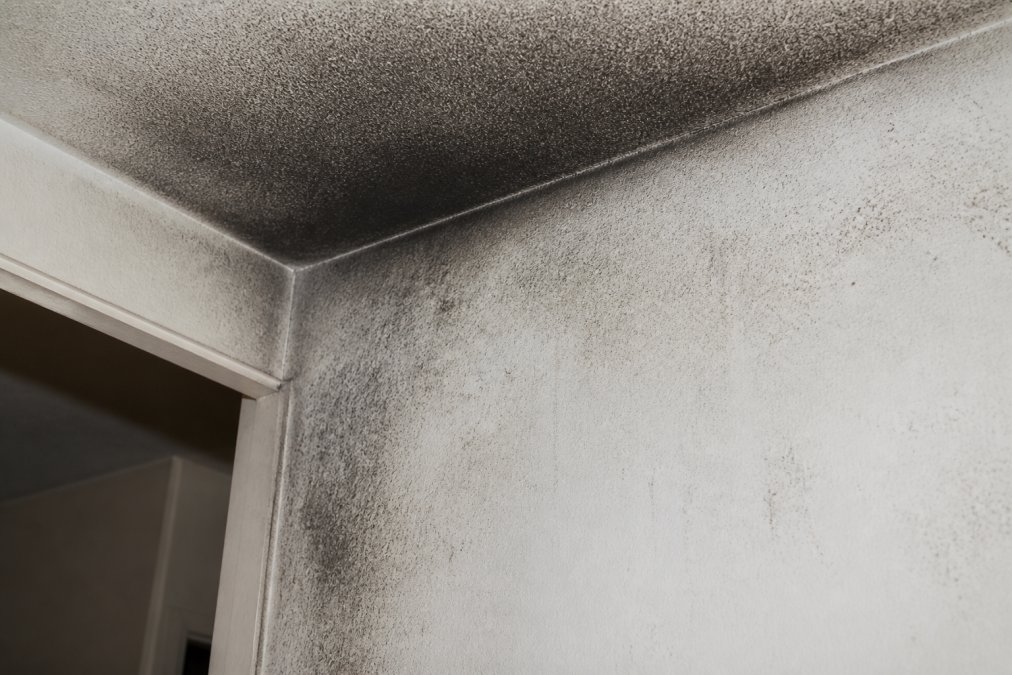
Smoke and soot don’t stay confined to the fire’s origin. Heat creates thermal currents that push smoke upward and outward through open doorways, around door frames, up stairwells, and into attic spaces. Smoke infiltrates HVAC ductwork, where it circulates throughout your entire home with every heating or cooling cycle.
Soot particles are heavier and settle more predictably, but still travel farther than most homeowners expect. Fine soot particles become suspended in air currents and deposit on surfaces in adjacent rooms. Horizontal surfaces collect soot first; vertical surfaces receive less unless near the fire’s heat source. Cross-contamination occurs when soot particles are disturbed, walking through a soot-damaged room and moving to clean areas spreads fine particles on clothing and shoes. This is why professional teams isolate affected areas with containment barriers.
Comparing Smoke and Soot Residue Types
The type of material that burned determines the chemical composition of smoke and character of soot residue.
Dry Smoke Residue
Dry smoke residue results from fires burning at high temperatures with good ventilation, typically involving wood or paper. The soot is dry and powdery, easier to remove initially because it doesn’t bond as strongly to surfaces. A dry chemical sponge can lift much of the visible soot without smearing. However, odor-causing components still penetrate porous materials deeply, and dry soot can become airborne easily if disturbed.
Wet Smoke Residue
Wet smoke residue forms from fires burning at lower temperatures or in oxygen-depleted conditions. The soot is dark, oily, and difficult to remove. Wet smoke residue bonds aggressively to surfaces and leaves dark stains that can corrode materials over time. It cannot be cleaned with a dry chemical sponge because it will smear and spread further. Water-based cleaning solutions are necessary, but can cause secondary damage if not used carefully.
Protein Residue and Fuel-Based Residue
Protein residue results from fires involving meat or fish, creating sticky, pungent odors among the most difficult to eliminate. Fuel-based residue comes from fires involving petroleum products or synthetic materials. Both create highly toxic combustion byproducts and require professional intervention, often demanding complete material replacement rather than surface cleaning.
Is Soot Toxic to Breathe? Health Risks of Smoke and Soot Exposure
Soot particles are extremely fine, many smaller than 2.5 microns, small enough to penetrate deep into the lungs and enter the bloodstream (the CDC). Inhaling soot irritates the respiratory system, triggering coughing, wheezing, and shortness of breath. For people with asthma, allergies, or heart disease, soot exposure can trigger acute symptoms or worsen existing conditions.
Smoke contains volatile organic compounds and toxic chemicals beyond soot particles. Carbon monoxide, formaldehyde, and other combustion byproducts accumulate in smoke, causing headaches, dizziness, nausea, and neurological effects. Children and elderly people face heightened vulnerability to smoke and soot exposure. Even after visible cleanup, residual soot in HVAC ducts and structural cavities continues to circulate contaminated air.
How to Clean Smoke Damage from Walls Yourself: DIY vs. Professional Remediation Thresholds
Whether you can handle cleanup yourself depends on the extent of damage and residue type.
When DIY Cleaning Works
Small, localized smoke damage from cooking incidents or minor fires confined to a single room can sometimes be addressed with DIY methods. If damage is limited to visible surface soot without deep odor penetration and the fire didn’t involve the HVAC system, you may manage cleanup.
For dry smoke residue on painted walls and ceilings, start with a dry chemical sponge that lifts dry soot particles without smearing. Follow with HEPA vacuuming to capture fine particles, standard vacuums recirculate soot back into the air. For odor control in small areas, open windows and place activated charcoal or baking soda in affected rooms, though these won’t eliminate deep penetration. detecting hazardous gases.
DIY cleaning is most practical when damage is confined to one or two rooms, the fire was small and localized, residue is dry smoke, HVAC systems are uncontaminated, you have access to HEPA equipment, and odor doesn’t persist after surface cleaning.
When Professional Cleanup Is Required
Professional remediation becomes necessary when damage exceeds DIY capacity. If smoke has penetrated your HVAC system or ductwork, professional cleanup is mandatory, contaminated ducts circulate smoke odor indefinitely. Wet smoke residue requires professional intervention; the oily nature means dry sponging won’t work and water-based cleaning risks secondary damage.
Large-scale damage affecting multiple rooms, upper floors, or structural materials exceeds DIY scope. Professional teams have industrial-grade equipment, proper containment barriers, and expertise managing cross-contamination. If odor persists after surface cleaning, professional odor neutralization is necessary.
Professional cleanup is required when smoke has contaminated HVAC systems, residue is wet smoke or fuel-based, damage affects multiple rooms, charring or structural damage is visible, odor persists after initial cleaning, you’re uncertain about contamination extent, or insurance is involved.
Cleanup Methods and Restoration Techniques
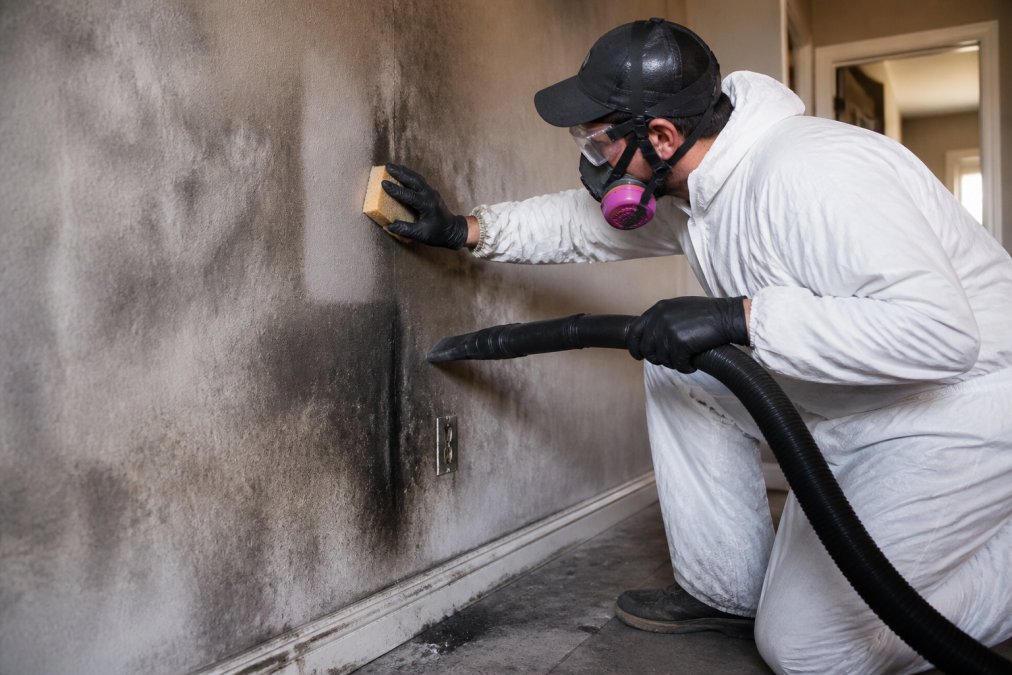
Professional cleanup follows a systematic approach addressing both visible residue and hidden contamination.
Dry chemical sponge treatment begins restoration for dry smoke residue. Technicians use specialized rubber sponges that lift soot particles without smearing, rinsing frequently to prevent redeposition.
HEPA vacuuming captures fine soot particles that dry sponging misses. Industrial HEPA vacuums remove 99.97% of airborne particulates, preventing recirculation (the EPA).
Wet cleaning addresses wet smoke residue and stubborn staining. Professional-grade detergents penetrate residue and lift it from surfaces with controlled spray equipment and powerful extraction.
Odor neutralization eliminates smoke odors embedded in materials. ODORx 9-D-9 Smoke Odor Counteractant penetrates porous materials and neutralizes odor-causing molecules. For severe odors, NewAire HG2500 Hydroxyl Generators use UVC photocatalytic oxidation to break down VOCs at the molecular level.
HVAC system and ductwork cleaning removes smoke contamination from circulation systems. Specialized equipment accesses ducts and removes soot buildup that would otherwise recirculate.
Air quality testing verifies restoration completion by measuring particulate matter and volatile organic compounds to confirm air quality has returned to safe levels.
| Cleanup Method | Best For | Effectiveness | DIY Feasible |
|---|---|---|---|
| Dry chemical sponges | Dry smoke on painted surfaces | Removes visible residue | Yes, small areas |
| HEPA vacuuming | Fine soot particles | Captures 99.97% of particles | Yes, with equipment rental |
| Wet cleaning with detergents | Wet smoke, oily residue | Penetrates and lifts stubborn stains | No, requires professional equipment |
| ODORx 9-D-9 counteractant | Embedded odors in porous materials | Neutralizes odor molecules | Limited, professional application better |
| Hydroxyl generators | Airborne VOCs and persistent odors | Breaks down odors at molecular level | No, commercial-grade equipment |
| HVAC duct cleaning | Smoke contamination in ducts | Eliminates source of recirculation | No, requires specialized access |
Insurance Claim Documentation for Smoke and Soot Damage
If your fire damage involves insurance, documentation is critical. Photograph all visible damage before cleanup begins, including wide shots showing damage extent and close-ups showing specific residue, charring, or staining. Document the type of residue present and note whether soot is dry or wet.
When you hire a professional restoration team like Aquaflame Restores it, they handle insurance documentation as part of their service, providing detailed damage assessments, photographs, and repair estimates meeting insurance company standards. Keep receipts for all cleanup materials if you attempt DIY cleanup. Document any health symptoms or property damage resulting from smoke exposure. Request a final air quality test from your restoration company to prove your home meets safe air quality standards after cleanup.
Fire damage demands decisive action. Small, localized dry smoke damage might be manageable with rental equipment and careful technique. But contaminated HVAC systems, wet smoke residue, or damage spanning multiple rooms requires professional expertise. Aquaflame Restores it provides 24/7 emergency response with IICRC-trained technicians who assess damage accurately, manage insurance claims directly, and restore your home to its original condition. When smoke and soot damage strikes, their 30-minute arrival guarantee and comprehensive restoration services eliminate guesswork and stress. Contact them immediately for emergency restoration support.
Frequently Asked Questions
What is the main difference between smoke damage and soot damage?
Smoke damage refers to discoloration, odor, and residue from airborne combustion byproducts that spread throughout your home via thermal currents and air circulation. Soot damage is the visible, dark particulate matter, combustion particles, that settles on surfaces. While all fires produce both, smoke travels farther and penetrates porous materials, while soot concentrates on surfaces near the fire source. Smoke damage affects air quality and embeds odors deep into materials; soot creates visible staining and charring on walls, ceilings, and contents.
Is soot toxic to breathe?
Yes, soot is toxic to breathe. Soot particles contain volatile organic compounds (VOCs), heavy metals, and other toxic chemicals from combustion. When inhaled, these fine particulates can lodge in your lungs and respiratory tract, causing immediate irritation and long-term health risks. Exposure to soot and smoke can trigger asthma, bronchitis, and cardiovascular problems. This is why professional remediation using HEPA filtration and proper ventilation is critical, it removes airborne soot and prevents continued inhalation of harmful particulates during and after cleanup.
How do you tell the difference between wet and dry soot?
Dry soot is powdery, loose, and brushes off easily without smearing. It typically results from fast-burning fires with high heat. Wet soot is oily, sticky, and smears when touched, it comes from slow-burning fires that produce more petroleum-based residue and acidic residue. Wet soot is harder to clean because it bonds to surfaces and can cause corrosion. Dry soot can be removed with dry chemical sponges and HEPA vacuums, while wet soot requires wet cleaning methods and specialized detergents to avoid spreading contamination across unaffected areas.
Does soot damage require professional cleaning services?
Light soot damage on a single room may be manageable with DIY methods like dry chemical sponges and HEPA vacuums. However, extensive soot damage, especially across multiple rooms, in HVAC systems, or on porous materials, requires professional remediation. Professionals have the equipment to address cross-contamination, prevent soot particles from spreading through ductwork, and apply odor neutralization techniques that DIY methods cannot match. They also provide insurance-ready documentation and ensure structural integrity is restored, which insurance companies require for claim approval.
Can smoke damage cause long-term health issues?
Yes. Smoke damage leaves behind volatile organic compounds (VOCs) and particulate matter embedded in porous surfaces, insulation, and HVAC systems. Prolonged exposure to these airborne pollutants can cause respiratory disease, cardiovascular problems, and exacerbate asthma and allergies. Even after visible cleanup, residual smoke odors indicate lingering chemical contamination. Professional remediation using air scrubbers, hydroxyl generators, and odor counteractants removes these contaminants at the molecular level, protecting long-term air quality and your family's health.
This article was written using GrandRanker