Table of Contents
- Why Industrial Mold Remediation Timeline Matters
- Phase 1: Assessment and Inspection
- Phase 2: Containment and Isolation
- Phase 3: Mold Removal and Remediation
- Factors Affecting Mold Remediation Duration
- IICRC S520 Mold Remediation Standards and Timeline Requirements
- Post-Remediation Verification Process and Clearance Testing
- Conclusion
Last Updated: August 24, 2026
Why Industrial Mold Remediation Timeline Matters
Understanding the mold remediation timeline is critical when water damage, flooding, or moisture intrusion threatens your property. What seems like a straightforward cleanup can stretch into weeks if the underlying moisture problem isn’t properly addressed. The timeline for industrial mold remediation depends on multiple factors: the scope of contamination, the structural materials involved, weather conditions, and whether your insurance company requires specific protocols before approval.
Most property owners underestimate how long remediation actually takes. They expect a crew to show up, spray something, and leave. In reality, an industrial mold remediation timeline involves assessment, containment, removal, drying, clearance testing, and often reconstruction. Mold that returns within months typically means the drying phase was cut short or the root cause of moisture wasn’t eliminated.
The timeline also affects your insurance claim. Adjusters want to see documentation that the remediation followed industry standards. Skipping steps or compressing timelines can jeopardize coverage. This guide walks you through what actually happens during industrial mold remediation, realistic timeframes for each phase, and the factors that cause delays.
Phase 1: Assessment and Inspection
The assessment and inspection phase is where the mold remediation timeline either gets managed correctly or derails. This phase typically takes 1-3 days, depending on property size and complexity (iicrc.org). A thorough inspection identifies the full extent of mold growth, the source of moisture, and which materials are affected. Without this step, you’re guessing at the scope, and remediation costs balloon.
During assessment, IICRC-trained technicians use moisture mapping, hygrometer readings, and visual inspection to locate all affected areas. They look for obvious mold colonies, but also for hidden moisture in walls, crawlspaces, attics, and beneath flooring. Secondary damage from water intrusion often extends far beyond what’s visible. A small roof leak might have saturated insulation 20 feet away from the actual entry point. The inspection identifies these hidden problem areas before containment begins.
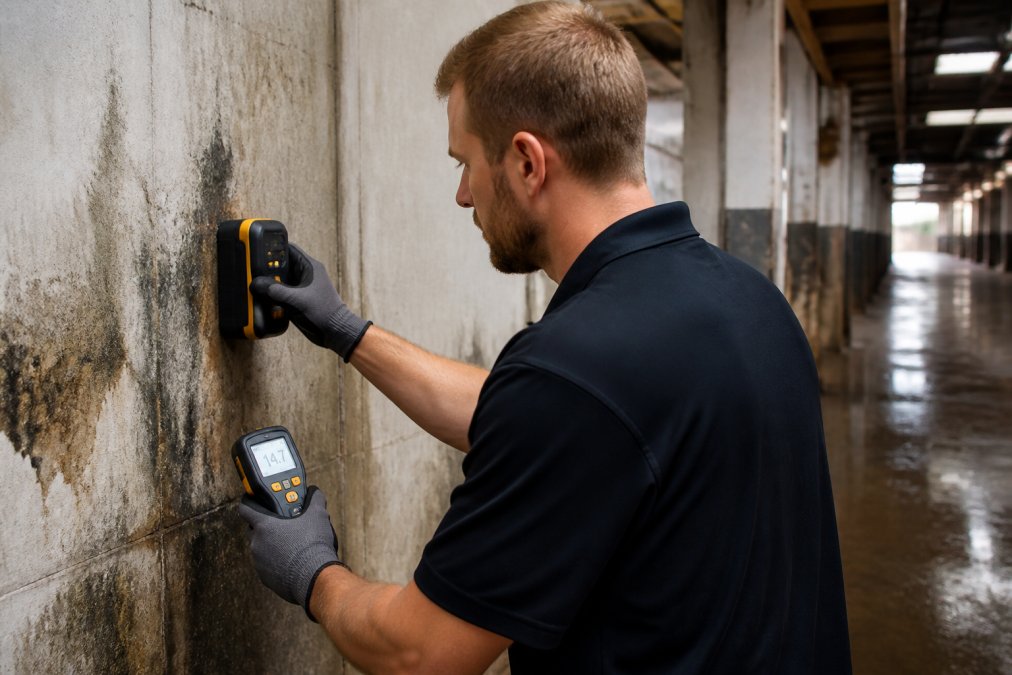
Documentation during this phase is essential for insurance claims. Technicians photograph affected areas, measure moisture levels, and create a remediation scope that your adjuster can review. This documentation also establishes a baseline for post-remediation clearance testing. If the inspection is rushed or incomplete, you’ll face delays later when additional mold is discovered and the scope has to be expanded mid-project.
The assessment phase also determines whether containment will be simple or complex. A single bathroom with localized mold needs minimal containment. An industrial facility with mold in the HVAC system, multiple porous materials, and structural contamination requires full negative air pressure containment with HEPA filtration. This assessment directly impacts how long the containment and remediation phases will take.
Phase 2: Containment and Isolation
Containment and isolation typically takes 1-2 days to establish but remains active throughout the remediation process (iicrc.org). The goal is to prevent mold spores and contaminated air from spreading to unaffected areas. Without proper containment, remediation efforts contaminate clean spaces, and you end up with a larger problem than you started with.
Containment involves erecting physical barriers using plastic sheeting and establishing negative air pressure within the containment boundary. HEPA filtration units run continuously to capture airborne spores and redirect clean air back into the space. The containment boundary is sealed at all doors, windows, and penetrations. For industrial facilities, this might mean isolating an entire wing or multiple rooms. For residential properties, it could be a single bathroom or crawlspace.
The complexity of the containment boundary affects the mold remediation timeline significantly. A small, well-sealed space with minimal HVAC penetrations can be contained in hours. A large industrial facility with complex ductwork, multiple zones, and structural challenges might take a full day or more just to establish proper containment. Improper containment forces you to restart the process, adding days to your timeline.
Negative air pressure is maintained throughout remediation and continues during the drying phase. This prevents spore migration and protects workers and occupants. The containment remains in place until clearance testing confirms that air quality has returned to acceptable levels. Removing containment too early is a common mistake that leads to mold returning within months.
Phase 3: Mold Removal and Remediation
Mold removal and remediation is the active phase where contaminated materials are removed and affected surfaces are cleaned. This phase typically takes 3-7 days for industrial spaces, depending on the volume of porous materials involved and the extent of structural contamination (iicrc.org). The timeline here is where most delays occur, because the scope often expands once work begins.
During remediation, all visibly contaminated porous materials (drywall, insulation, carpet, ceiling tiles) are removed and disposed of according to environmental regulations. Non-porous surfaces are cleaned with appropriate biocide treatments. The goal is to remove all microbial growth and prevent re-colonization. Incomplete removal or inadequate cleaning is the primary reason mold returns after remediation.
The type of materials affected directly impacts remediation duration. Removing contaminated drywall from a single wall takes hours. Removing insulation from an entire crawlspace takes days. If structural framing is affected, the scope expands further because wood must be treated rather than removed. Encapsulation might be used on structural members to seal in remaining spores and prevent future growth, but this adds time to the process.
Personal protective equipment requirements also affect pace. Technicians working in high-contamination environments wear full-body suits, respirators, and follow strict decontamination protocols. This slows work but is essential for worker safety and prevents spore migration. Cutting corners on PPE or safety protocols creates liability and often results in incomplete remediation.
Factors Affecting Mold Remediation Duration
Several factors can extend the mold remediation timeline beyond typical estimates. Understanding these factors helps you anticipate delays and manage expectations with your insurance company.
Property size and contamination scope directly determine how long remediation takes. A 1,000-square-foot residential bathroom with localized mold might be remediated in 2-3 days. A 50,000-square-foot industrial facility with mold in the HVAC system, structural cavities, and multiple zones might take 2-3 weeks. The scope isn’t always obvious during initial assessment, so timelines can shift as work progresses.
Weather and humidity conditions significantly impact drying timelines. High humidity slows evaporation and prolongs the drying phase. Cold, wet weather extends drying duration. Industrial facilities with poor ventilation or no climate control face even longer drying periods. Seasonal factors matter: remediation during humid summer months takes longer than in drier seasons.
Material composition affects both removal and drying time. Porous materials like drywall, carpet, and wood absorb moisture and take longer to dry. Non-porous materials like concrete and tile dry faster but may require more intensive cleaning. Structural materials like framing lumber must dry to specific moisture levels before reconstruction can begin, adding days or weeks to the timeline.
HVAC system involvement complicates remediation significantly. If mold has colonized ductwork or HVAC components, those systems must be cleaned or replaced. This requires specialized equipment and expertise. HVAC cleaning adds 2-5 days to the remediation timeline and often requires post-remediation air quality testing to verify that spore counts have dropped to acceptable levels. restoration response times.
Insurance approval delays frequently extend timelines. Adjusters may request additional documentation, scope clarification, or a second opinion before authorizing remediation. Some insurance companies require pre-approval before work begins. These administrative delays can add 3-7 days to the overall timeline, even though the actual remediation work remains unchanged.
Water intrusion source identification can delay remediation if the source isn’t immediately obvious. A roof leak, foundation crack, or plumbing failure must be identified and repaired before drying can be effective. Remediating mold without fixing the water intrusion source guarantees that mold will return. Identifying and repairing the source might add 1-2 weeks to the overall timeline, depending on the complexity of the repair.
IICRC S520 Mold Remediation Standards and Timeline Requirements
The IICRC S520 Standard and Reference Guide for Professional Mold Remediation establishes industry protocols that most professional remediation companies follow. Understanding these standards helps explain why certain timelines are necessary and why shortcuts lead to failure.
The IICRC S520 standard defines remediation scope based on affected area size. Remediation areas up to 10 square feet require basic containment and cleaning. Areas between 10 and 100 square feet require containment with negative air pressure. Larger areas require full containment with HEPA filtration and specialized protocols. These requirements directly impact how long each phase takes.
The standard also mandates specific drying requirements. Structural materials must dry to moisture levels below 16-20 percent before reconstruction begins. This drying requirement is why timelines extend so significantly in humid conditions or when structural materials are involved. Rushing the drying phase is the fastest way to create a failed remediation that requires re-work.
IICRC S520 requires post-remediation clearance testing to verify that remediation was successful. This testing involves air quality sampling and surface sampling to confirm that microbial growth has been eliminated and spore counts have returned to normal levels. Clearance testing typically takes 1-2 days, and results must come back negative before the space can be re-occupied. This step is non-negotiable for insurance approval and for protecting occupant health.
The standard emphasizes documentation throughout the remediation process. Before photos, during photos, moisture readings, removal documentation, and after photos must all be recorded. This documentation protects you in case of disputes with your insurance company and provides proof that remediation followed industry standards. Documentation requirements add time to the process but are essential for claim approval.
Post-Remediation Verification Process and Clearance Testing
Post-remediation verification is the final critical phase that determines whether mold remediation was successful. This phase typically takes 1-2 days for testing and 3-5 days for results. Skipping or rushing this phase is a common mistake that leads to mold returning within weeks.
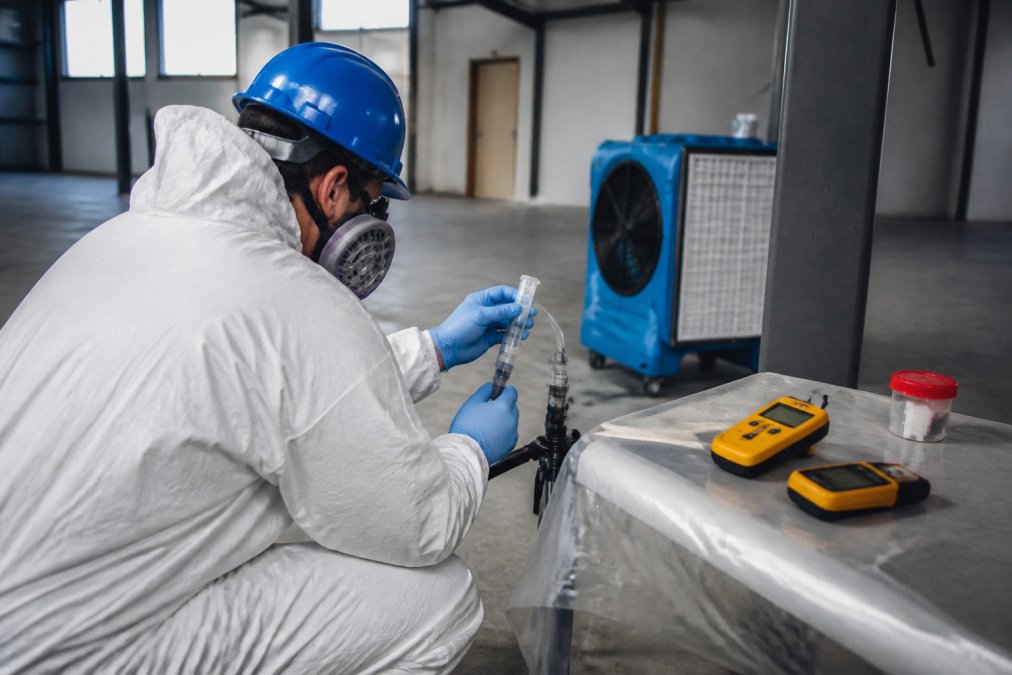
Clearance testing involves both air quality testing and surface sampling. Air quality samples measure spore counts in the remediated space compared to unaffected baseline areas. Surface samples verify that contaminated surfaces have been adequately cleaned or removed. Both tests must show that microbial growth has been eliminated and that air quality has returned to normal levels.
A certified hygienist or environmental consultant typically conducts clearance testing. They collect samples according to established protocols and send them to a laboratory for analysis. Results usually come back within 3-5 business days. If results show elevated spore counts or remaining contamination, additional remediation is required, and the space cannot be re-occupied until clearance is achieved.
This verification step is where health-based re-entry criteria become critical. Some occupants are more sensitive to mold exposure than others. Immunocompromised individuals, people with respiratory conditions, and children may require more stringent clearance criteria before re-occupancy. The clearance testing report documents that the space is safe for re-occupancy and provides proof for insurance claims.
Many property owners don’t understand that clearance testing is separate from remediation. Remediation removes the mold; clearance testing verifies that remediation was successful. Skipping clearance testing means you have no proof that the job was done correctly. If mold returns or occupants report health issues, you have no documentation to support your claim that proper remediation occurred.
Understanding the industrial mold remediation timeline helps you manage expectations, plan for downtime, and ensure that your property is properly restored. The process typically takes 1-3 weeks for residential properties and 2-4 weeks for industrial facilities, but factors like humidity, material type, and insurance delays can extend timelines significantly.
When mold threatens your property, the fastest path to complete restoration is hiring professionals who follow IICRC S520 standards and manage each phase properly. Aquaflame Restores it offers 24/7 emergency response with IICRC-trained technicians who handle assessment, remediation, clearance testing, and reconstruction in a coordinated process. Our team manages direct insurance billing, so you’re not caught between your adjuster and the restoration company. Contact Aquaflame Restores it for a 30-minute response and a complete remediation plan that gets your property back to normal without shortcuts or hidden costs.
Frequently Asked Questions
Q: What is the typical timeline for industrial mold remediation?
A: Industrial mold remediation typically spans 5 to 14 days, depending on contamination severity, facility size, and structural complexity. Assessment and inspection take 1-2 days. Containment and removal require 2-5 days. Drying and dehumidification can extend 3-7 days for porous materials. Post-remediation clearance testing adds 1-2 days. Insurance delays and reconstruction work may extend the overall timeline significantly beyond these core remediation phases.
Q: What factors influence the duration of industrial mold removal?
A: Key factors include contamination scope, facility size, moisture levels, porous versus non-porous materials affected, HVAC system involvement, and structural integrity concerns. Moisture mapping reveals hidden water intrusion that extends timelines. Secondary damage from water intrusion compounds drying time. Negative air pressure containment requirements and HEPA filtration protocols add complexity. Insurance claims processing and reconstruction scheduling often become the longest variables, not the remediation itself.
Q: What is the post-remediation verification process and how long does it take?
A: Post-remediation verification includes air quality testing, surface sampling, spore count analysis, and structural integrity assessment. Clearance testing typically requires 1-2 days after remediation work concludes. Environmental assessment compares remediated areas against baseline samples. Results must meet IICRC S520 standards before re-occupancy clearance is issued. Some facilities require health-based re-entry criteria beyond standard clearance, which may involve additional testing or waiting periods.
Q: Why do timelines slip, and what's the hidden cost of delays?
A: Insurance claims processing causes the most significant delays, adjuster scheduling, coverage disputes, and authorization hold-ups can add 1-3 weeks. Weather impacts structural drying for facilities with roof damage or ongoing water intrusion. Secondary damage discovered during remediation extends scope and timeline. Incomplete root cause identification leads to recurring mold, requiring re-remediation. Reconstruction scheduling after clearance testing often creates gaps. Direct coordination with your restoration team and insurance company minimizes these delays.
This article was written using GrandRanker