Table of Contents
- What Is Category 3 Water Damage
- Common Sources of Black Water in Homes
- Health Risks and Pathogens Associated With Category 3 Exposure
- How to Remove Water From Carpet After Category 3 Contamination
- Sewage Backup Restoration and Professional Remediation
- Water Damage Insurance Coverage for Category 3 Events
- Why DIY Cleanup Is Dangerous and What Professionals Do Instead
- Immediate Steps to Take After Category 3 Water Damage
- Frequently Asked Questions
Last Updated: September 24, 2026
What Is Category 3 Water Damage
Category 3 water damage is contamination from grossly unsanitary water sources that pose serious health risks. This classification includes sewage backups, floodwater from rivers or storm surge, water from toilet overflows, and any stagnant water containing pathogenic agents like bacteria, fungi, and viral contaminants. The water itself is toxic, direct contact or even inhalation of airborne particles can cause illness.
Category 3 contamination demands full decontamination, specialized PPE, and structural remediation, unlike Category 1 (clean water) or Category 2 (gray water). Aquaflame Restores it treats every category 3 event as a biohazard requiring IICRC-certified technicians and documented post-remediation verification.
The ANSI/IICRC S500 Standard defines category 3 water as containing pathogenic agents at concentrations that pose a threat to human health. Once inside, it spreads contamination across porous materials, drywall, insulation, carpet, subflooring, making simple extraction useless without full removal and replacement.
How It Differs From Category 1 and Category 2
Category 1 water is clean water from broken supply lines, melted ice, or rain. It poses no health threat initially but can degrade to category 2 within 24-48 hours if left standing.
Category 2 water is gray water from washing machines, dishwashers, or toilet tanks (without fecal matter). It contains bacteria and contaminants but not the dangerous pathogens found in sewage, requiring professional drying and some material replacement.
Category 3 is the hazard tier: sewage backups, floodwater, and stagnant water. Porous materials must be removed entirely; non-porous surfaces require chemical sanitization. Air quality testing is essential post-remediation to verify pathogen elimination.
Common Sources of Black Water in Homes
Sewage backups are the most common category 3 source. When municipal sewer lines back up or septic systems fail, raw sewage flows into basements, crawlspaces, and lower-level rooms, during heavy rainfall when systems are overwhelmed or when tree roots breach sewer lines.
Floodwater from rivers, storm surge, or overland flow carries sediment, debris, chemicals, and microorganisms. Even a few hours of flooding introduces category 3 contamination that appears clear but poses serious health risks.
Toilet overflows containing fecal matter create category 3 conditions if not immediately isolated, spreading pathogens throughout affected spaces.
Stagnant water left standing for more than 24-48 hours develops microbial growth that elevates it to category 3 levels, speed in response is critical.
Health Risks and Pathogens Associated With Category 3 Exposure
Category 3 water contains bacteria, viruses, and fungi causing respiratory infections, gastrointestinal illness, skin infections, and systemic infections through direct contact, aerosol inhalation, or cross-contamination.
Bacterial pathogens (E. coli, Salmonella, Legionella), fungal spores, and viral agents (hepatitis A, norovirus) are common in sewage and floodwater, causing allergic reactions, asthma attacks, and serious infections (Waterborne Infectious Diseases Associated with Exposure to Tropical Cyclonic Storms…).
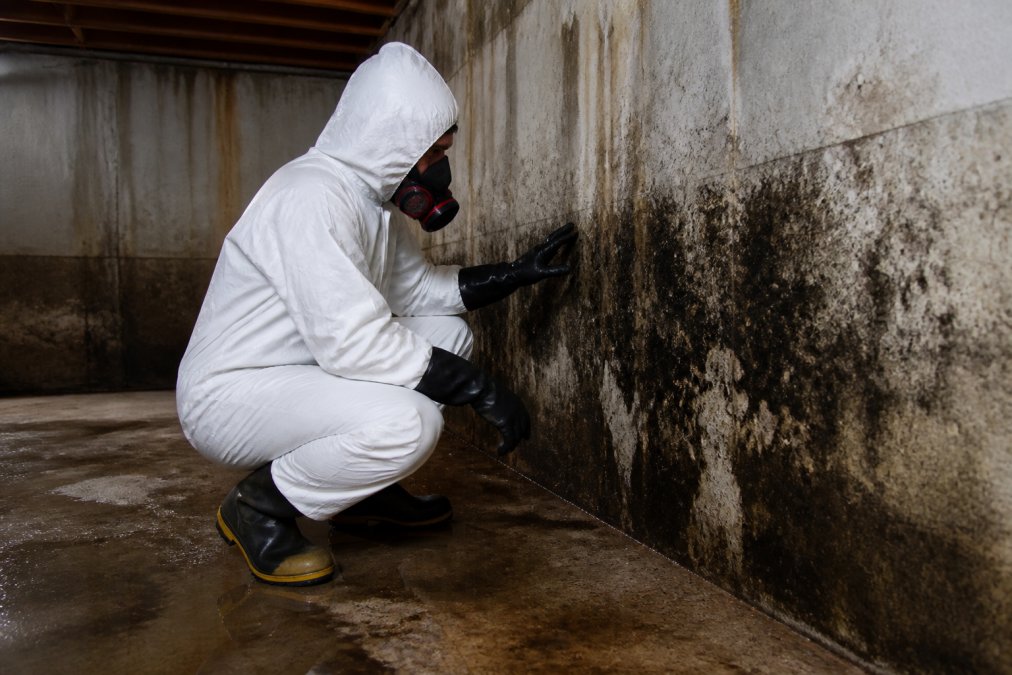
Extraction equipment, demolition, and air movement aerosolize contaminated particles. Without proper PPE, respirators, protective suits, and gloves, homeowners inhale pathogens directly, making DIY cleanup genuinely dangerous.
Immediate Exposure Symptoms and When to Seek Medical Care
Symptoms of waterborne illness (fever, diarrhea, nausea, vomiting, respiratory symptoms, skin rashes) can appear within hours or weeks. Disclose your contaminated water exposure to your doctor, this context prevents misdiagnosis as flu or food poisoning.
Contact your physician with documentation of the water damage event and exposure date. Seek emergency care for severe symptoms (difficulty breathing, chest pain, confusion, rapid heartbeat).
Long-Term Health Monitoring and Secondary Mold Concerns
Weeks or months after remediation, mold can develop in areas that weren’t fully dried or in hidden spaces. Mold exposure triggers respiratory issues, allergic reactions, and asthma exacerbation, particularly in vulnerable populations.
Monitor for secondary mold growth: musty odors, visible discoloration, or respiratory symptoms weeks after occupancy. Contact the restoration company immediately, most offer 1-2 year warranties for mold resulting from incomplete drying.
Schedule a follow-up indoor air quality test 4-6 weeks after remediation to detect mold spore proliferation. Consult an allergist or pulmonologist if persistent respiratory symptoms develop.
The Psychological Impact of Contamination and Home Recovery
Category 3 water damage carries significant psychological weight. Losing personal items to sewage contamination creates trauma and grief; the sense of violation and loss of control can trigger anxiety and depression.
Some homeowners experience difficulty re-entering homes after remediation or develop heightened anxiety about future water events. These responses are normal and reflect the genuine disruption category 3 damage causes.
Consider speaking with a counselor or therapist if experiencing anxiety, depression, or avoidance behaviors. Your insurance company may cover mental health services related to the disaster.
How to Remove Water From Carpet After Category 3 Contamination
Category 3 contamination renders carpet unsalvageable, pathogens penetrate backing, padding, and subfloor beyond extraction equipment reach and chemical sanitization.
Affected areas are sealed with plastic sheeting. Wet carpet and padding are cut into sections, bagged as biohazard waste, and disposed of per local regulations. The subfloor is then assessed for contamination and damage.
Concrete subfloors are cleaned and sanitized with hospital-grade disinfectants. Wood subfloors typically require replacement if saturated. Structural drying equipment brings moisture levels below 20% before new flooring installation.
The process typically takes 7-14 days depending on contamination extent. Professional remediation saves money despite higher upfront costs, improper drying leads to mold growth and secondary contamination.
Sewage Backup Restoration and Professional Remediation
Sewage backup remediation follows the ANSI/IICRC S500 Standard. Safety isolation begins first: contaminated areas are sealed with plastic barriers and negative air pressure prevents pathogen migration. Then extraction begins.
Specialized hazardous-materials equipment extracts contaminated water. All contaminated materials are removed: drywall, insulation, flooring, and trim are discarded. Structural elements are cleaned and sanitized but retained if not compromised.
Chemical sanitization uses EPA-approved disinfectants on all surfaces. HVAC systems are professionally cleaned and air ducts inspected to prevent pathogen circulation in hidden spaces.
Industrial dehumidifiers and air movers run continuously until moisture stabilizes. Moisture mapping documents that all affected areas reach safe levels, preventing secondary mold growth.
Post-Remediation Verification: Confirming Your Home Is Safe
Post-remediation verification (PRV) is the final and most important step, yet it’s often rushed or skipped entirely. PRV is a third-party inspection conducted by an independent professional (typically required by insurance companies) to certify that pathogens have been eliminated and the space is safe for occupancy. This is not the same as the restoration company’s internal quality check; it’s an objective verification that holds legal and insurance weight.
During PRV, the inspector tests three critical areas. First, air quality sampling uses specialized equipment to detect airborne pathogens and mold spores, confirming that aerosolization during cleanup did not leave residual contamination. Second, surface sampling collects swabs from high-touch areas, flooring, and previously contaminated zones to verify that sanitization was effective. Third, moisture mapping confirms that all materials have dried to safe levels (typically below 20% moisture content for wood, below 12% for drywall), preventing future mold growth. Maintaining these rigorous environmental standards remains the most reliable strategy to prevent mold growth, a process that requires ongoing vigilance and proactive maintenance measures.
The PRV report becomes your proof of remediation. Insurance companies use it to close claims. Future buyers or appraisers use it to confirm the property was properly restored. If you ever need to disclose the water damage event to a lender or buyer, the PRV documentation demonstrates that the home was professionally restored to safe standards. Without it, you carry the liability and uncertainty indefinitely.
If PRV testing reveals residual contamination or elevated moisture, the restoration company must return and address the deficiencies at no additional cost. This is why PRV protects you, it ensures the work is actually complete before you move back in or consider the claim resolved.
Water Damage Insurance Coverage for Category 3 Events
Insurance coverage for category 3 water damage varies significantly by policy. Standard homeowners policies typically exclude sewage backup and floodwater unless you’ve purchased specific add-on coverage. Sewage backup coverage is available as an endorsement and usually costs $50-150 annually for a modest limit. Flood insurance is separate and must be purchased through the National Flood Insurance Program (NFIP) or a private insurer.
The claims process requires documentation.
Why DIY Cleanup Is Dangerous and What Professionals Do Instead
DIY cleanup of category 3 water exposes you to serious health risks that professional remediation eliminates. Without proper PPE, you inhale pathogenic particles. Without technical knowledge, you miss contamination in hidden spaces. Without specialized equipment, you cannot achieve the moisture levels and sanitation standards required for safe occupancy.
Immediate Steps to Take After Category 3 Water Damage
Your first action is safety: evacuate the affected area and keep family members away from contaminated water. Do not attempt extraction or cleanup without proper PPE. If sewage is visible, treat the entire contaminated zone as a biohazard.
Frequently Asked Questions
What is the difference between category 1, 2, and 3 water damage?
Category 1 water comes from clean sources like broken pipes or rainwater. Category 2 water (gray water) contains some contaminants from appliances or minor sewage exposure. Category 3 water (black water) is grossly unsanitary and contains pathogenic agents from sewage backups, floodwater, or septic system failure. Category 3 requires professional remediation and poses serious health risks that homeowners should never attempt to clean themselves.
Is category 3 water damage covered by standard homeowners insurance?
Most standard homeowners insurance policies do not cover category 3 water damage from sewage backups or floodwater. Sewage backup coverage requires a specific endorsement, and flood damage is typically excluded unless you carry a separate flood insurance policy. Document all damage with photos and contact your insurance adjuster immediately to understand your coverage limits and what restoration costs may be eligible for reimbursement.
Can I clean up category 3 water damage myself?
No. Category 3 water contains bacteria, viruses, fungi, and toxigenic agents that pose severe health risks including respiratory infections, gastrointestinal illness, and skin infections. Professional remediation teams follow ANSI S500 standards, use proper personal protective equipment, and perform decontamination and structural drying to eliminate cross-contamination. Attempting DIY cleanup exposes you and your family to biohazard pathogens and can worsen microbial growth.
What should I do immediately after category 3 water damage occurs?
First, evacuate the affected area and avoid contact with contaminated water. Call emergency restoration services immediately for 24/7 response. Document the damage with photos for insurance claims. Do not attempt to remove items or dry the area yourself. Professionals will assess moisture levels, identify structural damage, extract standing water, and begin decontamination. Fast response prevents secondary damage and microbial growth that spreads to unaffected areas.