
Table of Contents
- Visual Signs of Mold Growth on Drywall
- Musty Odors and Air Quality Changes
- Water Stains, Discoloration, and Paint Damage
- How to Tell If Mold Is Behind Drywall
- Signs of Water Damage Behind Walls
- When to Replace Moldy Drywall
- What to Do If You Spot Early Mold Signs
- Frequently Asked Questions
Last Updated: September 29, 2026
Visual Signs of Mold Growth on Drywall
Early signs of mold on drywall often appear as small dark spots or discoloration that grow larger over time if moisture persists. Mold can be black, green, white, or orange depending on the species (the CDC).
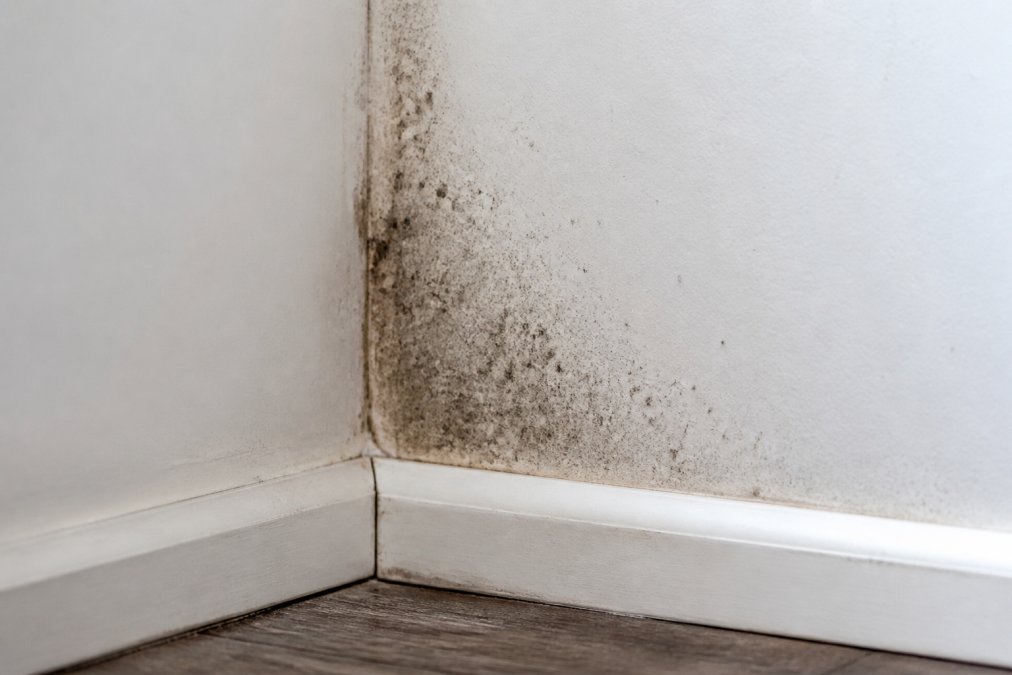
Look for these specific visual patterns:
- Dark spots or patches that appear suddenly on drywall surfaces
- Fuzzy or slimy texture when you touch the affected area
- Circular or irregular shapes that spread outward over weeks
- Color variations from black to green to brown
- Clustering patterns where multiple spots appear near each other
Early signs of mold on drywall can be confused with dirt or water stains. True mold has a distinctive fuzzy or spongy appearance and returns within days after wiping, distinguishing it from surface dirt.
Drywall’s paper backing is particularly vulnerable to mold because it provides an ideal food source for fungal colonies. Catching early signs of mold on drywall matters because the longer it grows, the deeper it penetrates.
Musty Odors and Air Quality Changes
A musty smell is often the first warning sign, sometimes appearing before visual evidence. This odor comes from microbial volatile organic compounds released by mold and intensifies in poorly ventilated spaces where moisture lingers.
Pay attention to these air quality indicators:
- Musty or earthy smell concentrated in one room or corner
- Smell that worsens after humid days or following water exposure
- Odor that lingers even after cleaning the visible surface
- Stuffy air feeling in spaces where mold is actively growing
- Respiratory irritation when spending time in affected rooms
The musty odor from mold differs from general dampness, mold smells like decay or old soil. This odor signals active mold spores in your indoor air, even without visible growth.
Condensation buildup on windows or pipes often accompanies musty odors. High relative humidity creates ideal conditions for mold; steamy bathrooms and perpetually damp basements actively support fungal growth in walls or crawlspaces. Persistent moisture trapped behind drywall frequently originates from hidden plumbing failures, making it essential to diagnose pipe leaks before the structural damage spreads beyond repair.
Allergic reactions or respiratory irritation, coughing, sneezing, itchy eyes, combined with musty odors suggest you need professional assessment.
Water Stains, Discoloration, and Paint Damage
Water stains, mildew, and mold are three distinct problems requiring different responses. Understanding the differences helps you assess urgency and decide whether cleaning or professional remediation is needed.
Visual Comparison: Water Stains vs. Mildew vs. Mold
Water Stains appear as yellowish, brownish, or grayish marks on drywall. They indicate moisture intrusion but do not contain living organisms. Water stains mark where mold colonization may begin if moisture persists.
- Color: Tan, brown, yellow, or gray
- Texture: Flat, no fuzz or slime
- Smell: None, or faint dampness
- Danger level: Moderate (indicates moisture problem; mold may follow)
- Action: Identify and stop the moisture source; monitor for mold growth
Mildew is a surface fungus that does not penetrate deeply and is the least dangerous of the three.
-
Color: Black, white, or gray; powdery or thin fuzzy coating
-
Texture: Thin, powdery, or light fuzz; wipes off easily
-
Smell: Musty but mild
-
Danger level: Low (surface issue; does not penetrate drywall)
-
Action: Clean with detergent and water or diluted bleach; improve ventilation
-
Color: Black, green, brown, or white; often darker and more varied than mildew
-
Texture: Thick, fuzzy, or slimy; does not wipe off easily
-
Smell: Strong, distinctive musty or earthy odor
-
Danger level: High (penetrates drywall; spreads to hidden areas; health risk)
-
Action: Professional remediation; drywall replacement if penetration is deep
Quick Identification Test
Wipe the affected area gently with a damp cloth:
- Water stain: Discoloration remains; no growth returns
- Mildew: Coating wipes off easily; may return slowly over weeks if moisture persists
- Mold: Does not wipe off completely; returns within days if moisture remains; may leave residue on cloth
Paint Damage as a Mold Indicator
- Bubbling or peeling paint: Moisture is pushing upward from inside the drywall, indicating water damage and potential hidden mold.
- Soft or spongy texture: Drywall has absorbed enough water to lose structural integrity, suggesting active mold colonization.
- Warping or buckling: Visible deformation indicates prolonged moisture exposure and established mold colonies.
- Efflorescence (white, chalky deposits): Salt deposits indicating past water intrusion and possible mold if moisture has returned.
Staining Patterns That Reveal Hidden Problems
- Vertical staining along wall studs: Water travels downward along framing, showing where hidden mold is most likely to colonize.
- Staining at wall-floor intersections: Moisture collects at the lowest point, where water damage escalates fastest.
- Staining on one side only: Suggests a leak in the wall cavity, plumbing, exterior intrusion, or wall cavity condensation.
When Paint Damage Requires Professional Assessment
How to Tell If Mold Is Behind Drywall
Mold behind drywall is the most dangerous type because it grows unseen and spreads extensively before discovery. Several diagnostic tools help you detect hidden mold before catastrophic damage occurs.
Using a Moisture Meter (Most Reliable Homeowner Tool)
How to use one:
- Purchase a pin-type or pinless moisture meter ($20-$60). Pin-type is more accurate for drywall.
- Take baseline readings on dry interior walls. Normal drywall reads 5-12% moisture content.
- Test suspect areas: around windows, above sinks, near HVAC ducts, basement corners, and exterior walls. Take multiple readings across a 2-foot area.
- Interpret results: 13-16% indicates elevated moisture; above 16% suggests active moisture and likely mold; above 20% indicates severe water damage.
- Mark and document areas exceeding 16% for professional inspection.
Other Detection Methods
- Smell-based assessment: Musty odors concentrated in one area suggest hidden mold even if walls look clean.
- Visual inspection of wall edges: Discoloration, soft spots, or visible mold at junctions indicates moisture traveling through the wall cavity.
- Soft spot detection: Soft or spongy areas indicate water saturation; mark and test with your moisture meter.
- Electrical outlet inspection: Discoloration or mold around outlets reveals moisture in the wall cavity.
- Thermal imaging (professional): Professionals use thermal cameras to detect cold spots indicating wet areas where mold thrives.
Combining Tools for Confidence
When to Stop DIY Diagnosis and Call a Professional
Signs of Water Damage Behind Walls
Water damage behind walls progresses in stages. Early detection depends on recognizing subtle indicators before damage becomes catastrophic. The initial stage, moisture accumulation without visible mold, is the critical window for prevention.
Key indicators of hidden water damage include:
- Soft or compressed drywall when pressed gently
- Staining patterns that follow wall studs or framing members
- Musty odors concentrated near baseboards or corners
- Paint failure patterns that suggest moisture from behind
- Warped or bowed wall surfaces indicating internal swelling
- Mold visible at wall-floor intersections where moisture collects
When to Replace Moldy Drywall
Whether moldy drywall can be cleaned or must be replaced depends on penetration depth. Surface mold can sometimes be cleaned, but once mold colonizes the paper layer or penetrates more than a quarter-inch, replacement becomes necessary.
Consider replacement necessary when:
- Mold covers an area larger than 10 square feet
- The drywall feels soft or spongy indicating deep penetration
- Mold has spread into the paper backing of the drywall
- Water damage is severe with warping or structural compromise
- The affected area includes corners or seams where mold spreads easily
- Previous remediation efforts failed and mold returned
What to Do If You Spot Early Mold Signs
Discovering early signs of mold on drywall requires immediate action to prevent spread while identifying the moisture source. Acting quickly makes the difference between a contained problem and widespread contamination.
Your action steps:
- Stop the moisture source first, locate and repair any leaks, improve ventilation, or reduce humidity
- Increase air circulation by opening windows and running fans to dry the area
- Document the affected area with photos and measurements for insurance or professional assessment
- Avoid disturbing the mold to prevent spore dispersal into the air
- Contact a professional if the area is larger than a few square inches or if you’re uncertain about the extent
Frequently Asked Questions
How do I know if my drywall has mold?
Early signs of mold on drywall include dark spots or patches (black, green, or orange), a musty odor, soft or spongy texture when touched, and visible discoloration. Mold often appears in corners, near windows, under sinks, or anywhere moisture collects. Use a moisture meter to check humidity levels above 50%, which indicates conditions favorable for mold growth. If you notice these signs, contact a professional to confirm the diagnosis and assess the extent of the problem.
What’s the difference between mold, mildew, and water stains on drywall?
Mold appears as fuzzy or slimy growth in various colors (black, green, white, or orange) and grows into the drywall surface. Mildew is a surface-level fungal growth that looks powdery and doesn’t penetrate deeply. Water stains are discoloration marks without texture, caused by mineral deposits or residue left behind after moisture evaporates. Only mold poses serious health risks and structural damage. If you’re uncertain, a professional inspection can differentiate between the three and recommend appropriate action.
Can mold behind drywall make you sick?
Yes, mold behind drywall can affect your health. Mold spores released into indoor air quality can trigger allergic reactions, respiratory irritation, and asthma symptoms, especially in people with sensitivities. Prolonged exposure to microbial growth in walls increases health risks. Children, elderly individuals, and those with compromised immune systems are more vulnerable. If you suspect mold behind drywall and experience symptoms like coughing, wheezing, or sinus issues, seek medical advice and have the mold professionally remediated.
Should I try to remove mold from drywall myself?
For small surface areas (less than 10 square feet), you may clean visible mold with a damp cloth and mild detergent, ensuring good ventilation. However, mold behind drywall, in wall cavities, or affecting large areas requires professional remediation. DIY removal risks spreading mold spores throughout your home and failing to address the moisture source, causing mold to return. Professionals use proper containment, HVAC isolation, and dehumidification to eliminate the problem completely. A certified technician can also verify post-remediation success with clearance testing.
The difference between a contained mold situation and a major restoration project often comes down to how quickly you respond to early warning signs. If you’ve spotted any of these indicators in your home, don’t wait. Call Aquaflame Restores it at 24/7 for emergency assessment. Our team will identify the moisture source, evaluate mold extent, and provide a clear path forward, with direct insurance coordination and complete restoration services to bring your home back to safe, healthy condition.