Table of Contents
- How Long Does Water Extraction Take?
- Factors That Affect Water Extraction Time
- Understanding the Water Extraction Process
- Water Damage Restoration Timeline: Extraction to Drying
- How Long Does Water Damage Take to Dry Out?
- When to Call a Water Damage Restoration Company
- Frequently Asked Questions
Last Updated: October 10, 2026
How Long Does Water Extraction Take?
Water extraction time varies significantly based on property type and damage severity. For most residential properties, the actual extraction process takes between 2 to 8 hours, though the complete water damage restoration timeline extends much longer. At Aquaflame Restores it, we understand that time is critical when water damage strikes.
The key distinction is between water extraction itself and the full drying process that follows. Extraction removes standing water from your property. Drying removes moisture trapped in walls, floors, and building materials. These are two separate phases with different timelines.
Residential properties
For typical homes, water extraction usually takes 4 to 8 hours depending on how much water is present and which areas are affected. A small bathroom flood might take just 2 to 3 hours. A basement filled with several inches of standing water could require 6 to 8 hours or more.
The speed also depends on equipment available. Professional extraction equipment works much faster than DIY methods. A truck-mounted extractor can remove thousands of gallons per hour. Portable units move more slowly but still outpace manual removal.
Commercial properties
Commercial water extraction typically takes longer because the affected areas are usually larger. Office buildings, retail spaces, and warehouses often have extensive square footage. A moderate commercial flood might require 8 to 24 hours of extraction work.
Multi-story buildings add complexity. Water may have traveled through multiple floors. Technicians must extract from each level systematically. Larger commercial jobs sometimes require multiple extraction teams working simultaneously to minimize business downtime.
Factors That Affect Water Extraction Time
Several variables determine how quickly your property can be dried out and returned to normal.
Amount and depth of standing water
The volume of water directly impacts extraction duration. A quarter-inch of water across a basement is manageable in a few hours. Several inches of standing water requires significantly more time. The deeper the water, the longer extraction takes because equipment must work harder to remove it completely.
Water depth also affects where the water has penetrated. Shallow water stays on surface materials. Deep water soaks into subflooring, insulation, and structural components. Removing water from these hidden areas requires additional extraction passes and longer drying times afterward.
Size of the affected area
Square footage matters enormously. A 500-square-foot bedroom takes far less time than a 5,000-square-foot basement or warehouse. Larger spaces require more equipment placement and longer extraction runs.
Technicians must position air movers and dehumidifiers strategically across the entire affected area. Bigger spaces mean more equipment needed and more time spent setting up and monitoring the water extraction process.
Type of water and source of the leak
Clean water from a burst pipe extracts faster than contaminated water from flooding or sewage backups. Contaminated water requires additional safety precautions and sometimes specialized equipment. The source of the leak also matters, a slow roof leak creates different conditions than a sudden pipe break or storm flooding.
Water category affects extraction methods. Category 1 water is clean and poses minimal health risk. Category 2 water contains some contamination. Category 3 water is highly contaminated. Higher-category water requires more careful handling and may necessitate additional extraction passes to ensure safety.
Water extraction equipment and methods
Professional water extraction equipment operates at different speeds. Truck-mounted extractors are the fastest option, removing water at rates exceeding 500 gallons per minute. Portable extractors work at 100 to 300 gallons per minute. Manual removal is slowest.
The number of extraction units deployed also affects timeline. A single portable unit might take 12 hours for a job that two units could complete in 6 hours. Professional restoration companies bring multiple pieces of equipment to accelerate the water extraction process and reduce overall restoration time.
Understanding the Water Extraction Process
Water extraction involves specific steps that must happen in sequence for effectiveness.
Initial inspection and moisture assessment
Before extraction begins, technicians assess the extent of water damage. They use moisture meters and thermal imaging to identify all affected areas, including hidden moisture behind walls and under flooring. This inspection determines the extraction strategy and equipment needed.
The assessment also identifies potential hazards like electrical dangers or structural concerns. Technicians document the damage for insurance purposes. This initial phase typically takes 30 minutes to 2 hours depending on property size.
What happens during the extraction appointment
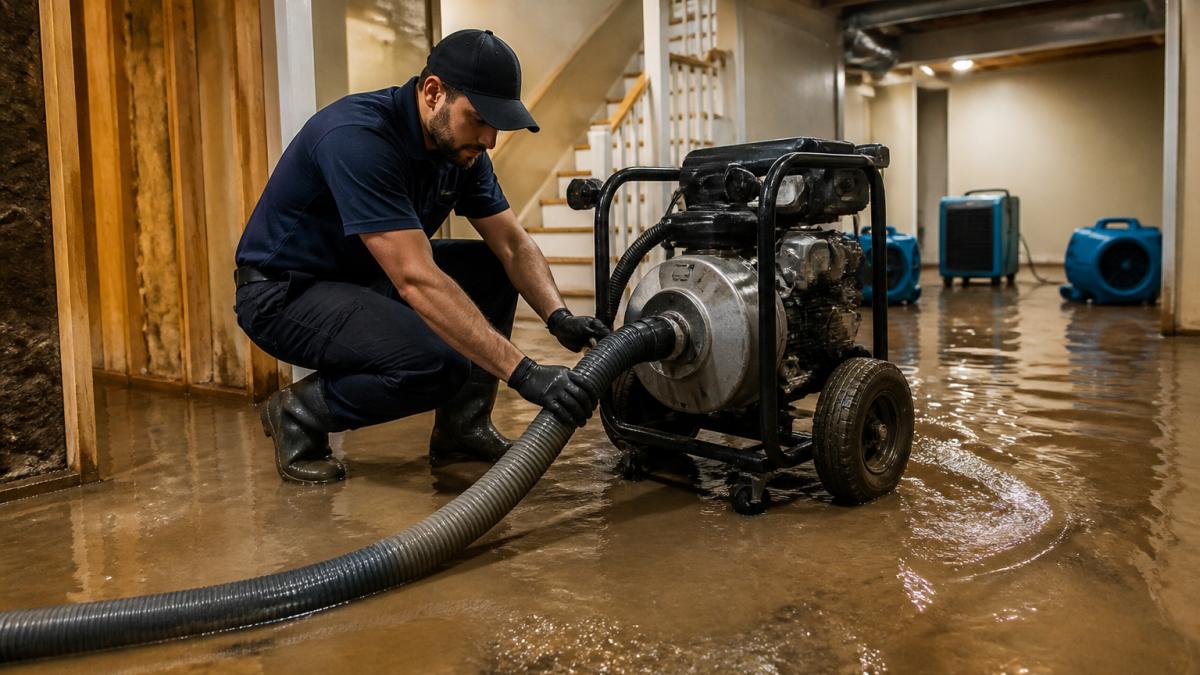
Once assessment is complete, extraction begins immediately. Technicians position the truck-mounted extractor or portable units strategically throughout the property. They systematically work through each affected area, removing standing water with powerful suction equipment.
As water is removed, air movers are positioned to begin circulating air across wet surfaces. Dehumidifiers are placed in sealed rooms to start pulling moisture from the air. This simultaneous approach speeds the overall water damage restoration timeline.
Technicians make multiple passes over affected areas to ensure thorough removal. They pay special attention to corners, edges, and low spots where water collects. The process is methodical and comprehensive.
Verification of extraction completion
Extraction isn’t complete until moisture levels reach acceptable standards. Technicians use moisture meters to verify that standing water is gone and surface moisture is minimized. They document readings in each area to confirm the water extraction process is finished.
Before leaving, the team ensures all equipment is properly positioned for the drying phase. They provide homeowners with instructions on ventilation and access to the property. Clear communication about next steps helps manage expectations for the days ahead.
Water Damage Restoration Timeline: Extraction to Drying
Water extraction is just the beginning of restoration. The drying phase often takes longer than extraction itself.
Structural drying and residual moisture removal
After standing water is removed, structural drying begins. This phase removes moisture from walls, flooring, insulation, and other building materials. Structural drying typically takes 3 to 7 days for residential properties, though severe cases may require 2 to 3 weeks.
Air movers and dehumidifiers work continuously during this phase. They pull moisture from deep within materials and expel it outside. The process is slow because moisture moves gradually from the interior of materials toward the surface where equipment can remove it.
Technicians monitor moisture levels daily, adjusting equipment placement as needed. This ensures consistent drying progress across all affected areas.
Monitoring drying progress
Regular monitoring prevents problems and confirms progress. Technicians visit daily to check moisture meter readings, adjust equipment, and look for signs of mold growth. They document all measurements to track the water extraction and drying timeline.
If moisture levels plateau or increase, technicians adjust their approach. They might add more dehumidifiers, reposition air movers, or open additional areas for air circulation. This active management shortens overall restoration time.
How Long Does Water Damage Take to Dry Out?
Drying time extends well beyond the initial water extraction appointment.
Drying times by material type
Different materials dry at different rates. Concrete dries slowly, often requiring 7 to 14 days. Drywall dries faster, typically 5 to 7 days. Wood flooring can take 2 to 4 weeks depending on thickness and moisture depth.
Carpet and padding may require complete replacement if saturation is severe. Attempting to dry heavily saturated carpet often fails and leads to mold growth. Professional assessment determines whether materials can be saved or must be replaced.
Insulation absorbs water readily and dries very slowly. Wet insulation loses its effectiveness and may harbor mold. Replacement is often necessary for insulation that has been saturated.
Hidden moisture and mold risk
Moisture hiding behind walls and under flooring poses the greatest risk. This residual moisture can linger for weeks even after visible water is gone. Mold can begin growing within 24 to 48 hours in these hidden spaces (the CDC).
Thermal imaging and moisture meters detect hidden moisture that visual inspection misses. Professional extraction and drying addresses these concealed areas before mold develops. Thorough water extraction prevents costly mold remediation later.
| Phase | Timeline | Key Activities |
|---|---|---|
| Initial Extraction | 2-8 hours | Remove standing water, assess damage, position equipment |
| Structural Drying | 3-7 days | Run air movers and dehumidifiers, monitor moisture levels |
| Final Drying | 7-14 days | Continue drying, verify moisture clearance, prepare for restoration |
| Restoration | 1-4 weeks | Replace damaged materials, repaint, restore to original condition |
When to Call a Water Damage Restoration Company
Knowing when to call professionals versus attempting DIY extraction determines your outcome.
DIY extraction versus professional service
Small water spills can be handled with towels and a basic shop vacuum. Significant standing water requires professional equipment and expertise. Once water damage affects more than a small area, professional water extraction becomes necessary.
DIY methods fail to remove moisture from structural materials. Incomplete extraction leads to mold growth and structural damage. The cost of professional restoration after failed DIY attempts far exceeds the cost of immediate professional service.
Professional technicians bring industrial-grade equipment, specialized training, and insurance knowledge. They understand building science and moisture dynamics. They prevent secondary damage that DIY approaches often cause.
Emergency response and 30-minute arrival guarantee
Water damage demands immediate action. Every hour without extraction increases mold risk and structural damage. Emergency response services provide rapid deployment when minutes matter most.
Aquaflame Restores it offers 24/7 emergency response with a 30-minute arrival guarantee across metro Atlanta. Our IICRC-trained technicians arrive equipped to begin water extraction immediately. We handle direct insurance billing, eliminating the stress of claims management during crisis situations.
Early professional intervention prevents catastrophic damage.
Frequently Asked Questions
What does water extraction mean?
Water extraction is the process of removing standing water from your property using specialized equipment like truck-mounted extractors or portable units. Technicians use high-powered pumps and vacuums to pull water from flooring, carpet, drywall, and other affected materials. This is the first critical step in water damage restoration. Extraction typically takes 1-3 hours for residential properties, depending on the volume and depth of water present.
How long does water extraction usually take?
Most residential water extraction appointments take 1-3 hours from start to finish. Small leaks affecting a single room might take 1-2 hours, while larger floods covering multiple rooms or basements can extend to 3-4 hours. Commercial properties with extensive standing water may require 4-8 hours or multiple visits. The actual extraction time depends on the amount of water, the size of the affected area, and the equipment available. Professional crews with truck-mounted extractors work faster than portable units.
What factors affect how long water extraction takes?
Several factors influence extraction time: the volume and depth of standing water, the total square footage affected, the water source (clean water, contaminated water, or sewage), and the equipment used. Carpet and soft materials extract faster than concrete or hardwood. Building materials like drywall can trap water, extending the process. The number of technicians and extraction machines on site also matters, larger crews with multiple units finish faster. Professional teams conduct moisture assessment and thermal imaging to identify hidden water in walls and under flooring.
When should water extraction begin after a leak or flood?
Water extraction should begin as soon as possible, ideally within the first 24-48 hours of a leak or flood. Delays increase drying time and restoration costs. This is why emergency response is critical: calling a water damage restoration company immediately ensures technicians arrive quickly. Professional teams offer 24/7 emergency service and can often arrive within 30 minutes in metro Atlanta.
Water damage requires speed and expertise. Aquaflame Restores it provides both with 24/7 emergency service and IICRC-trained technicians ready to respond within 30 minutes. We manage your insurance claim directly and handle complete restoration from water extraction through final reconstruction. Contact us immediately when water damage strikes, our team is ready to restore your home and your peace of mind.