
Table of Contents
- Understanding the Property Damage Claim Timeline
- Immediate Steps After Property Damage
- How to Document Property Damage for Insurance
- The Insurance Claim Process: From Filing to Settlement
- Factors That Delay Insurance Claim Settlements
- How to Appeal a Denied Water Damage Insurance Claim
- Statute of Limitations and Claim Deadlines
- Checklist for Tracking Your Claim Milestones
- Frequently Asked Questions
Last Updated: September 4, 2026
Understanding the Property Damage Claim Timeline
A property damage claim timeline is the sequence of events from the moment you report damage to your insurance company through final settlement. Understanding what to expect at each stage helps you navigate the process more effectively and reduces uncertainty during an already stressful situation.
The timeline varies based on the type and severity of damage, your insurance company’s workload, and how quickly you provide required documentation. Most straightforward claims resolve within 30 to 60 days, though complex cases involving structural damage, mold, or disputed coverage can take several months (naic.org). Knowing the typical phases, from initial notice through damage assessment, investigation, and settlement negotiation, prepares you for what’s ahead.
At Aquaflame Restores it, we work directly with insurance companies on countless claims annually, and we’ve seen firsthand how understanding this timeline reduces stress and accelerates resolution. The property damage claim timeline isn’t just about waiting; it’s about taking the right actions at the right moments to keep your claim moving forward.
Immediate Steps After Property Damage
Your first 24 to 48 hours set the tone for the entire claim. The moment you discover damage, whether from water, fire, storms, or other causes, document everything with photos and video before touching anything. This evidence becomes critical later when the insurance adjuster assesses the loss.
Next, contact your insurance company to file a notice of claim. Most insurers have 24/7 claims hotlines. Provide your policy number, the date and time of the loss, a brief description of what happened, and the address of the damaged property. Don’t minimize the damage or speculate about causes; stick to the facts. Your insurer will assign a claim number and explain the next steps.
If the damage poses immediate safety risks, exposed electrical wiring, structural instability, or active water intrusion, call emergency services or a restoration company immediately. Mitigating further damage is not only your responsibility under most policies; it also prevents your claim from being denied for lack of care. Many homeowners worry about costs, but emergency mitigation is typically covered as part of the claim.
Keep all receipts and records of expenses related to emergency response, temporary repairs, and temporary housing if you’re displaced. These become part of your proof of loss documentation later.
How to Document Property Damage for Insurance
Documentation is your evidence. Without clear, detailed records, you’re asking the insurance company to take your word for the extent of damage, and that rarely works in your favor.
Start with photographs and video from multiple angles and distances. Capture wide shots showing the overall damage, medium shots of affected areas, and close-ups of specific damage. Include undamaged adjacent areas in your photos to establish context. Timestamp your photos if possible, and take them in natural light when you can.
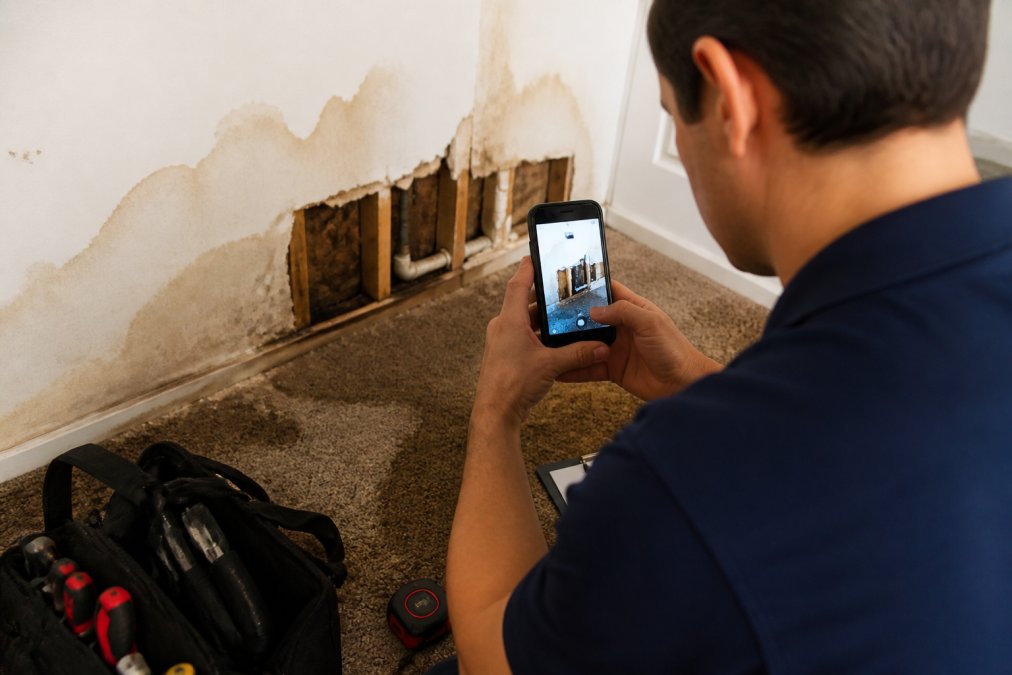
Write a detailed inventory of damaged items, including descriptions, approximate purchase dates, and estimated replacement costs. For high-value items like electronics, furniture, or appliances, include serial numbers and model information. Receipts, credit card statements, or bank records help establish value.
Keep records of all communication with your insurance company, including claim numbers, adjuster names, phone call dates, and summaries of what was discussed. If you receive written correspondence from your insurer, file it carefully. This paper trail becomes essential if a dispute arises later or if you need to appeal a decision.
If you hire a restoration company like Aquaflame Restores it, request detailed damage assessment reports and repair estimates. These professional documents carry significant weight with insurance adjusters and provide independent verification of the damage scope.
The Insurance Claim Process: From Filing to Settlement
Notice of Claim and Initial Contact
Filing a notice of claim formally initiates your property damage claim timeline. This is different from simply calling to report damage, it’s a documented notification that triggers your insurer’s obligations under the policy.
When you contact your insurance company, you’re providing notice of claim. The insurer must acknowledge receipt of your claim within a reasonable timeframe, typically 10 to 15 business days, though this varies by state and policy (naic.org). This acknowledgment should include your assigned claim number, the name and contact information of your adjuster, and a timeline for next steps.
Don’t assume silence means approval. If you haven’t heard back within the stated timeframe, follow up. Keep copies of your initial notice and any acknowledgment you receive.
Damage Assessment and Investigation
Once your claim is acknowledged, the insurance adjuster schedules an inspection. The adjuster’s role is to evaluate the damage, determine coverage under your policy, and estimate repair or replacement costs. This phase typically occurs within 5 to 10 business days of your notice of claim, though weather, adjuster availability, and claim volume can extend this timeline (naic.org).
During the inspection, the adjuster photographs damage, takes measurements, reviews your documentation, and may consult with specialists for complex issues like mold or structural damage. Be present during the inspection if possible. Walk through the property with the adjuster, point out all affected areas, and provide your own documentation to support your claim.
The adjuster’s investigation may also include reviewing your policy to confirm coverage applies, verifying the cause of loss, and checking for any policy exclusions or limitations. This is where the insurance company determines whether your claim qualifies for payment and under what terms.
Settlement Offer and Negotiation
After the investigation, your insurance company issues a settlement offer. This document outlines what the insurer will pay, which damages are covered, any deductible you owe, and the basis for their calculations. The settlement offer typically arrives 15 to 30 days after the adjuster’s inspection, though complex claims take longer.
Review the settlement offer carefully against your own damage documentation and repair estimates. If the offer seems low or excludes damage you believe is covered, you have the right to negotiate. Many claims are settled through negotiation rather than accepted as initially offered.
If you disagree with the settlement, you can request an appraisal process. This involves hiring an independent appraiser to evaluate the damage, with the insurance company doing the same. If the two appraisers disagree, they select a third neutral appraiser, and the majority decision becomes binding. The appraisal process adds 20 to 45 days to your timeline but often results in higher settlements when damage is undervalued.
Once you and your insurer agree on a settlement amount, the insurer issues payment. Most claims are settled within 60 to 90 days from the initial notice, though this assumes straightforward damage and responsive communication on both sides. file a home insurance claim.
Factors That Delay Insurance Claim Settlements
Several factors can extend your property damage claim timeline significantly. Understanding these helps you anticipate delays and take action to prevent them.
Incomplete documentation is one of the most common culprits. If your initial claim lacks photos, receipts, or a detailed inventory, the adjuster will request these items, adding weeks to the process. Provide complete documentation upfront whenever possible.
Seasonal weather events can overwhelm insurance companies with claims. After major hurricanes, flooding, or winter storms, adjusters are backlogged, and response times stretch from days to weeks. Claims filed during high-volume periods naturally take longer to schedule and process.
Coverage disputes arise when the insurance company questions whether the damage is actually covered under your policy. Disputes over exclusions, policy limits, or the cause of loss require investigation and often legal review, extending the timeline significantly.
Structural damage or mold requires specialists to assess properly. If your claim involves these issues, the insurer may hire engineers, mold inspectors, or other experts, adding 15 to 30 days to the assessment phase.
Missing or unclear policy information forces the insurer to request clarification from you or review additional records. Respond promptly to any information requests to keep your claim moving.
Supplemental claims arise when additional damage is discovered after the initial settlement. If you find more damage weeks later, you can file a supplemental claim, but this restarts portions of the process for that additional damage.
How to Appeal a Denied Water Damage Insurance Claim
A claim denial is not the end. You have options to appeal and potentially reverse the decision.
First, request a detailed explanation of the denial in writing. The insurance company must provide specific reasons why coverage was denied, whether it’s an exclusion in your policy, a determination that the damage isn’t covered, or a finding that you didn’t meet policy requirements.
Review your policy carefully against the stated reason for denial. Many denials stem from misunderstandings about what your policy covers. If you believe the denial is incorrect, gather additional evidence: expert opinions, repair estimates, photos, or documentation that contradicts the insurer’s reasoning.
Send a written appeal to your insurance company with your additional evidence and a detailed explanation of why you believe the denial was wrong. Include references to specific policy language that supports coverage. Keep copies of everything you submit.
If the insurer denies your appeal, you can request an appraisal, file a complaint with your state’s insurance commissioner, or consult with an insurance attorney. Many states require insurers to participate in appraisal processes for coverage disputes, and an independent appraisal often overturns denials based on damage valuation disagreements.
Statute of Limitations and Claim Deadlines
Your right to file a claim expires after a certain period. Most states impose a statute of limitations of two to three years from the date of loss, meaning you must file your claim within that window or lose the right to claim benefits.
However, don’t wait until the deadline approaches. File your claim as soon as possible after discovering damage. The statute of limitations is a legal floor, not a practical guideline. Early filing gives you time to gather documentation, work with adjusters, and pursue appeals if needed.
Some policies impose stricter deadlines. Your policy may require notice of claim within 30 to 60 days of the loss, or it may limit how long you have to submit proof of loss after filing. Review your policy’s specific deadlines and adhere to them strictly.
For supplemental claims, additional damage discovered after the initial settlement, the statute of limitations typically runs from the date you discovered the additional damage, not from the original date of loss. However, some policies limit how long after the initial claim you can file a supplemental claim.
Checklist for Tracking Your Claim Milestones
Use this checklist to monitor your property damage claim timeline and ensure you’re meeting deadlines and taking necessary actions.
| Milestone | Target Timeline | Status | Date Completed |
|---|---|---|---|
| Report damage to insurance company | Within 24 hours | ☐ | |
| Receive claim acknowledgment | 10-15 business days | ☐ | |
| Complete damage documentation | Before adjuster visit | ☐ | |
| Schedule adjuster inspection | 5-10 business days | ☐ | |
| Attend adjuster inspection | As scheduled | ☐ | |
| Receive settlement offer | 15-30 days after inspection | ☐ | |
| Submit appeal or additional evidence | Within 30 days of offer | ☐ | |
| Request appraisal (if needed) | Before accepting settlement | ☐ | |
| Receive final settlement payment | 60-90 days from notice | ☐ |
Keep this checklist updated as your claim progresses. Note any delays and the reasons for them. This record helps you identify where your claim may be stalling and what action to take next.
Understanding your property damage claim timeline helps you to take control of the recovery process. While insurance claims involve inherent waiting periods and administrative steps, knowing what to expect at each phase helps you stay organized and responsive. When damage strikes, the speed of your initial response, documenting damage, filing promptly, and providing complete information, often determines how quickly you reach settlement.
If you’re facing property damage in metro Atlanta, Aquaflame Restores it provides the expertise and direct insurance coordination that accelerates your claim process. Our IICRC-trained technicians deliver detailed damage assessments and professional documentation that insurance adjusters trust, while our direct insurance billing eliminates the burden of managing claims yourself. With our 24/7 emergency response and 30-minute arrival guarantee, we’re here to stabilize your property and support your claim from day one. Contact us immediately after damage occurs, the sooner we assess and document, the sooner your claim moves forward.
Frequently Asked Questions
How long does it typically take to receive a settlement after filing a property damage claim?
Most property damage claims settle within 30 to 90 days, though this varies based on claim complexity. Simple claims with clear documentation may resolve in 2-4 weeks. Complex claims involving structural damage, multiple parties, or coverage disputes can take 6 months or longer. Your insurance adjuster can provide a more specific timeline after the initial damage assessment.
What should I do immediately after property damage to protect my claim timeline?
Contact your insurance company within 24-48 hours of the damage. Take photographs and videos of all damage before making temporary repairs. Document the date and cause of loss. Preserve all receipts and documentation. Mitigate further damage by boarding up windows or removing water to prevent additional loss. These steps demonstrate good faith and help prevent claim denials or delays.
What is the statute of limitations for filing a property damage insurance claim?
Most states allow 1-3 years from the date of loss to file a property damage claim, though some states permit longer periods for certain types of damage. Your insurance policy may have stricter deadlines, often 30-90 days to report the loss. Check your policy provisions and contact your insurer immediately after damage occurs to ensure you meet all notice requirements and avoid claim denial.
How can I speed up my property damage claim settlement?
Submit complete documentation immediately, including photographs, receipts, and proof of loss. Respond promptly to adjuster requests. Obtain repair estimates from licensed contractors. Avoid making statements that could be misinterpreted as admitting fault. Consider hiring a restoration company that handles direct insurance billing, this streamlines the process and reduces back-and-forth communication about costs and coverage.
This article was written using GrandRanker