Table of Contents
- 1. Document All Damage Immediately With Photos and Professional Assessment
- 2. Review Your Purchase Agreement and Real Estate Contract Damage Clauses
- 3. Notify Your Lender and Escrow Officer Right Away
- 4. Understand Who Pays for Repairs During Escrow
- 5. File Your Insurance Claim and Coordinate With Your Adjuster
- How to Appeal a Denied Water Damage Insurance Claim
- Frequently Asked Questions
Last Updated: September 20, 2026
When property damage strikes during escrow, most homeowners panic. Water seeps through the ceiling. A storm tears off shingles. Mold blooms in the crawlspace. The clock is ticking toward closing, and suddenly everything feels uncertain.
The good news: property damage during escrow doesn’t have to derail your transaction. But the steps you take in the first 48 hours determine whether you close on time, whether your insurance covers repairs, and whether you end up negotiating from a position of strength or weakness.
This guide covers five critical practices that protect your interests when property damage during escrow threatens your closing.
1. Document All Damage Immediately With Photos and Professional Assessment
The moment you discover damage, pull out your phone. Take photos of everything: the water stain spreading across the ceiling, the visible mold in the corner, the charred drywall. Photograph from multiple angles. Capture wide shots showing the full scope and close-ups showing detail. Timestamp matters, these photos create a record of the damage’s severity at a specific moment in time.
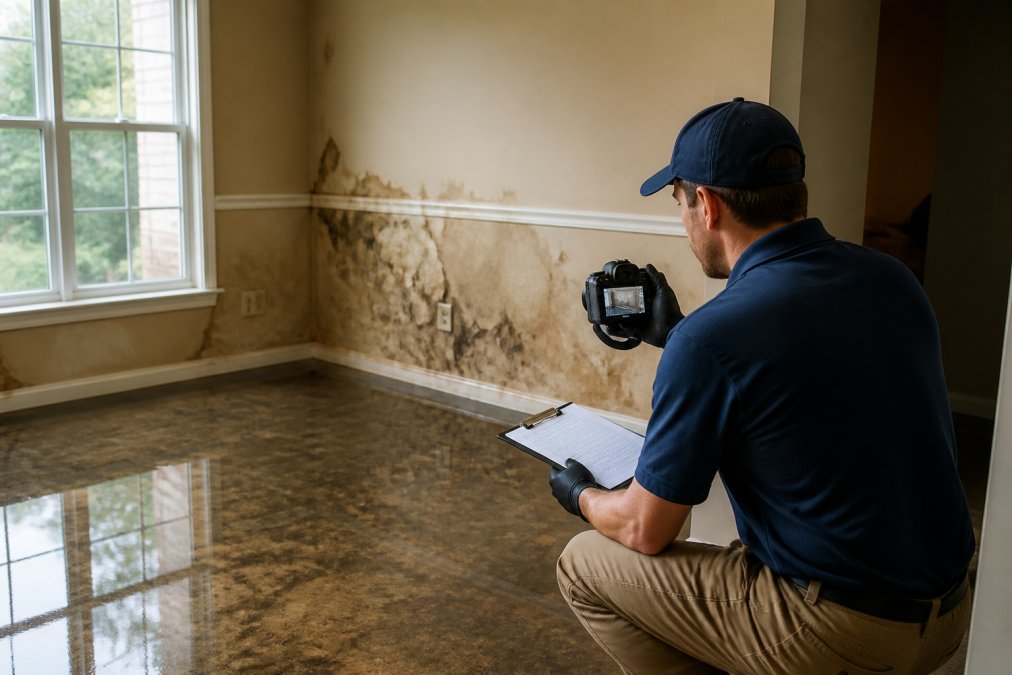
But photos alone aren’t enough. Call a professional restoration company immediately. Don’t wait for the lender’s inspector or the insurance adjuster. A professional assessment done within 24 hours serves multiple purposes: it stops further damage through emergency mitigation, it creates an independent record of the damage’s extent, and it gives you expert documentation that carries weight in negotiations.
When you hire a restoration company like Aquaflame Restores it, they document everything systematically. They measure moisture levels, identify affected materials, photograph conditions, and provide a detailed report. This report becomes your evidence, with your lender, with your insurance company, and in renegotiations with the seller if needed.
Write down the timeline too. When did you first notice the damage? What time did you call for help? These details matter when disputes arise later about whether the damage occurred before or after the purchase agreement was signed.
2. Review Your Purchase Agreement and Real Estate Contract Damage Clauses
Your purchase agreement contains specific language about who bears the risk of loss if property damage occurs before closing. This language determines everything that follows.
Most standard contracts include a “risk of loss” clause. In many jurisdictions, risk of loss transfers to the buyer once they have a binding contract, even though the seller still owns the property. That means if a pipe bursts the day before closing, you own the problem, not the seller.
However, some contracts include damage thresholds. Typical language might read: “If damage exceeds 5% of the purchase price, either party may terminate.” Others specify that damage below a certain dollar amount is the buyer’s responsibility, while damage above that threshold requires renegotiation.
Read your contract carefully. Look for:
- Risk of loss language: Who bears responsibility for damage before closing?
- Damage threshold: Is there a dollar amount that triggers renegotiation rights?
- Insurance requirements: Does the seller maintain homeowners insurance through closing?
- Repair obligations: Must the seller repair damage, or can they credit you at closing?
- Termination rights: Can either party walk away if damage is severe?
This is where many homeowners make their first mistake. They assume the seller is responsible for repairs. The contract often says otherwise. Understanding what your agreement actually says prevents costly surprises and positions you correctly for the next steps.
If your contract is vague on damage, contact the real estate attorney who reviewed it before signing. A 15-minute call now can clarify your position and shape your negotiation strategy.
3. Notify Your Lender and Escrow Officer Right Away
Your lender has a financial interest in the property. They’re lending money based on the property’s condition and value at the time of appraisal. Significant damage changes both. You’re legally required to disclose material changes to the property, and damage certainly qualifies.
Call your lender’s loan officer directly. Don’t email first, call. Explain the situation clearly: what happened, when it happened, what steps you’ve already taken. Provide the professional damage assessment you obtained in step one.
Your lender may require a new appraisal or inspection. They may demand that repairs be completed before closing, or they may require an escrow holdback, funds set aside at closing to ensure repairs happen after you take ownership.
Simultaneously, notify your escrow officer. The escrow agent coordinates between buyer, seller, lender, and title company. They need to know about damage because it may affect closing timelines, required documentation, and the final settlement statement.
This notification serves a critical purpose: it creates an official record. If disputes arise later about when damage occurred or who knew about it, you have documentation that you reported it immediately to both your lender and the escrow agent.
4. Understand Who Pays for Repairs During Escrow
This is where contract language meets negotiation reality. Your purchase agreement determines the starting position, but negotiation determines the outcome.
Common scenarios:
Scenario 1: Damage Below Threshold
Your contract specifies that damage under $2,000 is the buyer’s responsibility. A water leak causes $1,500 in damage. You pay for repairs, either before closing or out of pocket after closing.
Scenario 2: Damage Above Threshold
Damage exceeds the contract’s threshold. Now the seller must either repair the damage before closing or credit you at closing. A repair credit means the seller reduces the purchase price by the repair cost, and you handle repairs after closing.
Scenario 3: Damage With Escrow Holdback
Repairs can’t be completed before closing. The parties agree to an escrow holdback, the lender and escrow agent hold back funds (typically 125-150% of the estimated repair cost) to ensure repairs are completed within a set timeframe after closing.
The key question: Is the seller willing to renegotiate? If damage is significant and your contract allows it, you have use to request either seller repairs before closing or a repair credit. But the seller isn’t obligated to agree, they can refuse to repair, refuse to credit, and force you to either accept the property as-is or walk away.
This is where professional documentation becomes invaluable. If you have a detailed restoration assessment showing repair costs, you’re negotiating with facts, not estimates. Aquaflame Restores it provides comprehensive damage assessments that give you credible numbers for these negotiations.
5. File Your Insurance Claim and Coordinate With Your Adjuster
Contact your homeowners insurance immediately, even before closing. Most policies cover sudden, accidental damage like water leaks, storm damage, and fire (Which disasters are covered by homeowners insurance?). Mold is trickier (many policies exclude it), but water damage that causes mold is often covered if the water damage itself is covered (Protecting your home from mold).
File the claim promptly. Insurance companies have strict timelines. Delays can result in claim denial. Provide the insurance company with:
- Photos you took immediately after discovery
- The professional damage assessment from your restoration company
- The timeline of when damage occurred
- Any estimates or invoices for emergency mitigation
When the insurance adjuster arrives, be present. Walk them through the damage. Show them the professional assessment. Ask questions. Insurance adjusters determine the claim payout, and their assessment directly affects how much you recover.
Here’s the coordination piece that matters: Your insurance claim, the seller’s responsibility, and any escrow holdback must align. If insurance covers $8,000 of a $10,000 repair, the seller might credit you $2,000 at closing. Or if the seller refuses to credit, you use the insurance payout plus your own funds to cover repairs after closing.
This is where restoration companies like Aquaflame Restores it provide genuine value. They handle direct billing with insurance companies. They work with adjusters regularly. They know how to document damage in ways that insurance companies recognize and approve. They navigate the coordination between your insurance claim, the escrow process, and the actual repairs.
How to Appeal a Denied Water Damage Insurance Claim
Sometimes insurance denies claims. The adjuster rules that damage isn’t covered, or they deny the full amount you requested. Don’t accept the denial automatically.
Review the denial letter carefully. Insurance companies must state their reason for denial. Common reasons include: damage occurred before the policy was in force, damage is excluded under the policy’s specific exclusions, damage resulted from poor maintenance (not sudden loss), or the claim exceeds the policy limit.
- Copies of the original claim and denial letter
- The professional damage assessment
- Photos documenting the damage
- Any evidence that damage was sudden and accidental
- Explanation of why you believe the denial was incorrect
Frequently Asked Questions
What should I do immediately when property damage occurs during escrow?
Contact your lender and escrow officer immediately, then document all damage with detailed photos and video. Call a professional restoration company like Aquaflame Restores it for emergency assessment and mitigation. Do not attempt repairs yourself without approval from your lender or insurance company. Notify your homeowners insurance carrier within 24 hours to begin the claims process. Keep all receipts and documentation for your insurance adjuster.
Who pays for repairs when property damage happens during the escrow period?
Responsibility depends on your purchase agreement and when damage occurred. Generally, the seller remains responsible for property condition until closing. However, if damage results from the buyer’s actions or negligence, the buyer may be liable. Your insurance policy may cover certain damages. Many transactions use escrow holdbacks, where funds are set aside at closing to cover repairs. Review your specific contract language and consult your real estate attorney to determine liability in your situation.
How do I appeal a denied water damage insurance claim?
Request a written explanation of the denial from your insurance company. Review your policy carefully to understand coverage limits and exclusions. Gather all documentation: photos, repair estimates, professional assessments, and receipts. File a formal appeal with your insurer within the timeframe specified in your policy (typically 30-60 days). Include new evidence or expert opinions if available. If the appeal is denied, contact your state’s Department of Insurance or consider hiring a public adjuster or attorney specializing in insurance disputes.
What role does the escrow officer play when property damage is discovered?
The escrow officer acts as a neutral third party to protect both buyer and seller interests. They document the damage report, notify all parties, and may hold funds in escrow to cover repairs. They do not assess the damage themselves but facilitate communication between the buyer, seller, lender, and insurance adjuster. The escrow officer ensures that contractual obligations are met and can delay closing if necessary pending damage resolution or lender approval of repair plans.