Table of Contents
- How to Stop Water Damage Spreading: Immediate Action Steps
- Water Damage Cleanup Steps: Blotting and Initial Drying
- Water Damage Restoration Tools: Equipment for Rapid Drying
- How Long Does Water Damage Take to Mold: Prevention Timeline
- Signs of Hidden Water Damage: Assess Subfloor and Structural Risk
- DIY vs. Professional Water Damage Restoration: Cost-Benefit Analysis
- Common Mistakes That Allow Water Damage to Spread
- Conclusion: Act Fast to Prevent Spreading Water Damage
Last Updated: July 8, 2026
How to Stop Water Damage Spreading: Immediate Action Steps
Water damage escalates rapidly, and the first few hours determine whether cleanup remains manageable or becomes catastrophic. Moisture penetrates carpet padding, subfloors, and wall cavities where mold colonizes within 24 hours. Every minute counts.
Step 1: Cut Off the Water Source
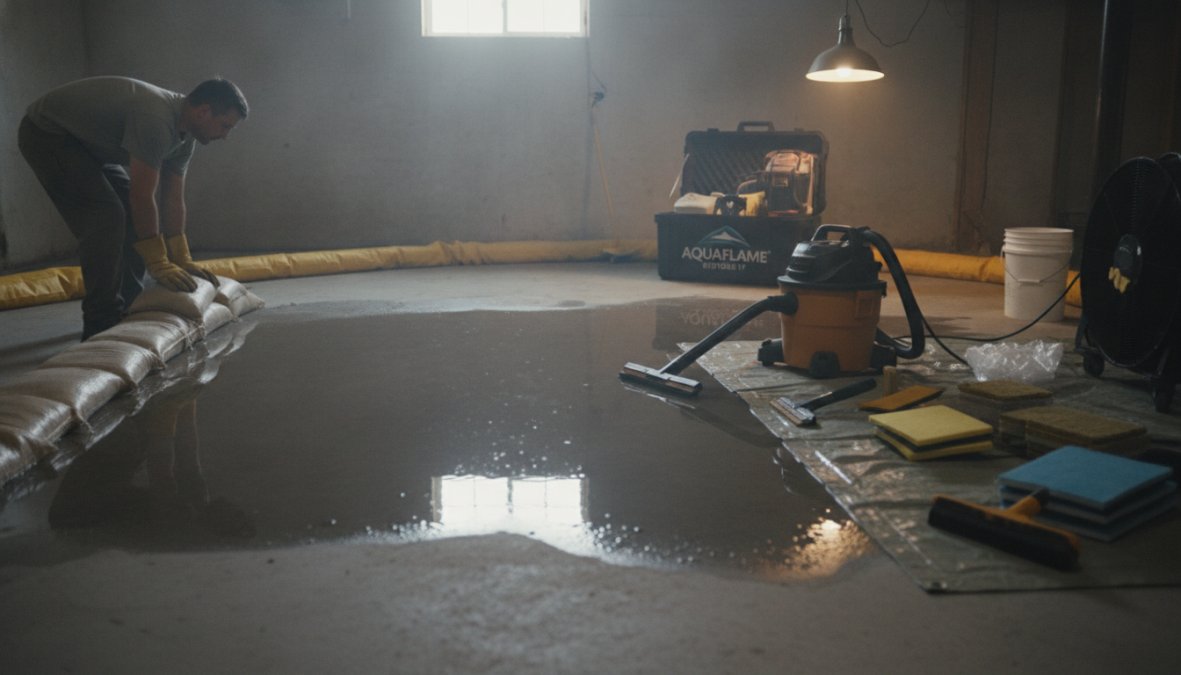
Before extracting water, identify and stop the source. If water continues entering the space, damage spreads indefinitely.
Locate your main water shut-off valve near the water meter in the basement, crawlspace, or exterior wall. Turn it clockwise until it stops. For appliance leaks, shut off the water supply line to that specific appliance or the main line. If the water is from external flooding, focus on extraction and containment instead.
Step 2: Remove Standing Water Immediately
Standing water saturates deeper layers within hours. Remove loose items, furniture, rugs, electronics, to a dry location immediately. Use towels to blot the surface and absorb water along baseboards and corners. Wring towels frequently and replace with dry ones.
Step 3: Extract Moisture from Carpet and Padding
Carpet padding acts like a sponge and harbors mold growth. Use a wet-dry vacuum in liquid extraction mode, working systematically across the entire affected area with multiple passes. Press the vacuum head firmly into the carpet to extract water from the padding below.
For heavily saturated carpet, pull back edges to extract water directly from padding and subfloor. Prop carpet edges up on blocks to allow air circulation underneath.
Water Damage Cleanup Steps: Blotting and Initial Drying
After water extraction, focus on removing remaining moisture and preventing deeper penetration into structural materials.
Blotting Techniques with Towels
Blotting lifts water upward without forcing it deeper. Lay a clean, absorbent towel over wet carpet, press down firmly for 10-15 seconds, then lift. Repeat with fresh towels until no moisture transfers. Work systematically across the entire affected area.
For carpet backing and padding, lift the carpet edge and place towels underneath to absorb water wicking upward from the subfloor. Change towels every few hours during the first 24-48 hours.
Using a Wet-Dry Vacuum for Water Extraction
Rent a wet-dry vacuum from a hardware store if you don’t own one. Larger models (5-16 gallon capacity) extract water faster. Work systematically across the carpet with slow, deliberate passes, overlapping by 6-12 inches. Apply firm downward pressure to reach the padding beneath. Make 3-4 passes over heavily saturated areas.
Empty the tank frequently and dispose of extracted water down a drain or outside.
Water Damage Restoration Tools: Equipment for Rapid Drying
Once standing water is removed, evaporate remaining moisture before mold establishes itself within 24-48 hours.
Industrial Fans and Air Movers
Standard household fans don’t generate the concentrated airflow needed for effective drying. Industrial air movers push high-velocity air directly across wet surfaces, accelerating evaporation.
Rent air movers from restoration supply companies. A medium room (200-300 square feet) requires 2-4 units. Position them to create cross-ventilation: one fan pushes air across wet carpet toward a window, another pulls air out. Angle fans to blow across the carpet surface at a low angle. Run fans continuously for 48-72 hours.
Dehumidifiers for Moisture Control
As water evaporates, humidity rises and slows evaporation. A dehumidifier removes moisture from the air, maintaining conditions that continue pulling water from the carpet.
Use refrigerant dehumidifiers for moderate moisture or desiccant models for very wet conditions. A medium room requires a 50-70 pints per day capacity unit. Position the intake in the center of the affected area and run continuously, emptying the tank or directing water outside. Maintain 30-50% relative humidity using a hygrometer.
Combine dehumidifiers with air movers for maximum effectiveness. Fans accelerate surface evaporation; dehumidifiers remove the moisture fans push into the air.
How Long Does Water Damage Take to Mold: Prevention Timeline
Mold growth begins within 24-48 hours if conditions remain moist. This critical window is when you can prevent mold entirely.
Critical 24-48 Hour Window
During the first 24 hours, mold spores are present but have not germinated. Rapid extraction and aggressive drying prevent colonization. By hour 48, mold colonies begin establishing in saturated materials, often invisibly in padding beneath the carpet surface.
This timeline assumes normal indoor temperatures (65-75°F) and moderate humidity. Warmer, more humid conditions accelerate mold growth to 12-24 hours.
Preventing Mold and Mildew Growth
Eliminate moisture to prevent mold growth. Ventilate aggressively by opening windows and doors, positioning fans to exchange indoor air with drier outdoor air. Use dehumidifiers to maintain humidity below 50%.
If you cannot dry the area within 48 hours or suspect mold has begun growing, apply biocide (antimicrobial spray) to wet materials. If carpet padding remains waterlogged after 48 hours, remove and replace it. Once dry, clean all surfaces with a disinfectant solution or one part bleach to ten parts water.
Signs of Hidden Water Damage: Assess Subfloor and Structural Risk
Visible water damage is only part of the problem. Hidden moisture in subfloors, wall framing, and insulation causes structural rot, mold growth, and persistent odor if not identified and addressed.
Subfloor Damage Assessment
Pull back the carpet edge and examine the padding and subfloor underneath. Look for visible water staining, soft or spongy areas (indicating saturation), delamination or separation in plywood, and musty odor indicating mold growth.
If the subfloor shows damage, lift the carpet and padding to expose it to air circulation from fans and dehumidifiers. Severely damaged subfloor (soft throughout, visible rot, extensive mold) requires professional replacement.
Detecting Moisture in Walls and Cavities
Water travels horizontally along the subfloor into wall cavities, saturating insulation and framing. Use a moisture meter to detect water in walls, probing at the base where it meets the floor. Readings above 15-20% indicate wet materials needing drying.
Look for discoloration along wall bases, soft or spongy drywall, musty odor near walls, and bubbling or peeling paint. If moisture persists beyond 48-72 hours or mold is visible, contact a professional restoration company with thermal imaging and specialized wall cavity drying equipment.
DIY vs. Professional Water Damage Restoration: Cost-Benefit Analysis
The decision to handle water damage yourself or hire professionals depends on damage extent, water source, and equipment access.
When to Call a Professional
Call immediately if the water source is unknown or contaminated, water affects more than 100 square feet, the affected area includes walls or structural materials, mold is visible or suspected, carpet cannot be salvaged, or structural concerns exist.
Aquaflame Restores it provides 24/7 emergency response with 30-minute arrival guarantee across metro Atlanta. IICRC-trained technicians assess damage extent, extract water using industrial equipment, dry structural materials, and manage insurance claims directly.
Insurance Claim Documentation for Water Damage
Document damage immediately with photographs and videos of all affected areas before cleanup. Photograph the water source and damage it caused. Keep receipts for all cleanup supplies and equipment rental. Create a detailed inventory of damaged items with approximate age and value.
Document drying efforts, including when you began, equipment used, duration, humidity readings, and signs of mold or structural damage. Obtain a professional assessment if you hire a restoration company; their report becomes part of your claim.
Submit claims promptly, typically within 30-90 days. Include all photographs, receipts, inventory lists, and professional assessments. Complete documentation speeds processing and increases reimbursement likelihood.
Common Mistakes That Allow Water Damage to Spread
Delaying water extraction. Every hour allows water to penetrate deeper into subfloor and materials you cannot easily dry.
Using household fans instead of industrial air movers. Standard fans don’t generate concentrated airflow needed for effective drying. Renting industrial movers costs $20-$40 daily, minimal compared to damage from inadequate drying.
Failing to use a dehumidifier. Without removing humidity, evaporation slows dramatically. Air movers and dehumidifiers together are essential.
Replacing carpet before subfloor is dry. New carpet over wet subfloor traps moisture and guarantees mold within weeks. Ensure subfloor moisture is below 15% before replacing.
Ignoring hidden wall moisture. Water travels into wall cavities where mold grows invisibly. Always check adjacent walls and use a moisture meter.
Attempting to clean black water yourself. Sewage and contaminated water require professional remediation with proper safety equipment.
Waiting to address mold. Mold spreads rapidly and becomes increasingly expensive to remove. Professional remediation is necessary.
Not documenting damage for insurance. Failing to photograph and keep receipts results in lower reimbursement.
Water damage spreading is preventable if you act quickly. The first 48 hours determine whether you face manageable cleanup or extensive structural repairs and mold remediation. Professional restoration teams have industrial equipment, expertise, and insurance coordination to dry homes completely in 48-72 hours, prevent mold, and restore properties to original condition. Contact Aquaflame Restores it’s 24/7 emergency line for immediate assistance.
Frequently Asked Questions
How do you stop water damage from spreading in a wall?
Immediately cut off the water source, then use air movers and dehumidifiers to remove moisture from the affected wall cavity. For walls with hidden water damage, drill small holes to allow ventilation and promote evaporation. If saturation is severe, professional water extraction and drying equipment may be necessary to prevent mold growth in the subfloor and structural materials. Document the damage with photos for insurance claims.
How long does water damage take to mold, and what's the prevention window?
Mold can begin growing within 24-48 hours of water exposure, making immediate action critical. The key to preventing mold and mildew is rapid moisture removal, use wet-dry vacuums, industrial fans, and dehumidifiers to dry carpet fibers and carpet padding completely. Biocide treatments and proper ventilation further reduce mold risk. If you cannot achieve complete drying within 48 hours, professional water damage restoration is essential to prevent hidden mold in subfloor areas.
What are the signs of hidden water damage I should watch for?
Look for soft or spongy carpet padding, discolored drywall, musty odors, or warped flooring, these indicate moisture penetrating beyond visible surfaces. Check the subfloor by lifting carpet edges; waterlogged or discolored subflooring signals deep saturation. Peeling paint, buckled baseboards, and staining on walls suggest water has traveled into structural cavities. Professional moisture detection equipment can identify hidden water damage in walls and subfloor areas before mold develops.
Should I attempt DIY water damage cleanup or hire a professional?
Small, contained spills can often be managed with blotting techniques and a wet-dry vacuum, but significant water damage, especially involving gray water or black water, saturated carpet padding, or subfloor involvement, requires professional extraction and drying. Professionals have industrial-grade equipment, biocide treatments, and expertise to assess subfloor damage and prevent mold. Professional restoration also provides documentation for insurance claims, often resulting in better coverage and peace of mind.
EXTERNAL CITATIONS USED:
[EXTERNAL_LINK: IICRC Standards for Water Damage Restoration | iicrc.org]
[EXTERNAL_LINK: CDC Guidelines on Mold Growth and Health Risks | cdc.gov]
[EXTERNAL_LINK: National Association of Insurance Commissioners Guide to Water Damage Claims | naic.org]
This article was written using GrandRanker