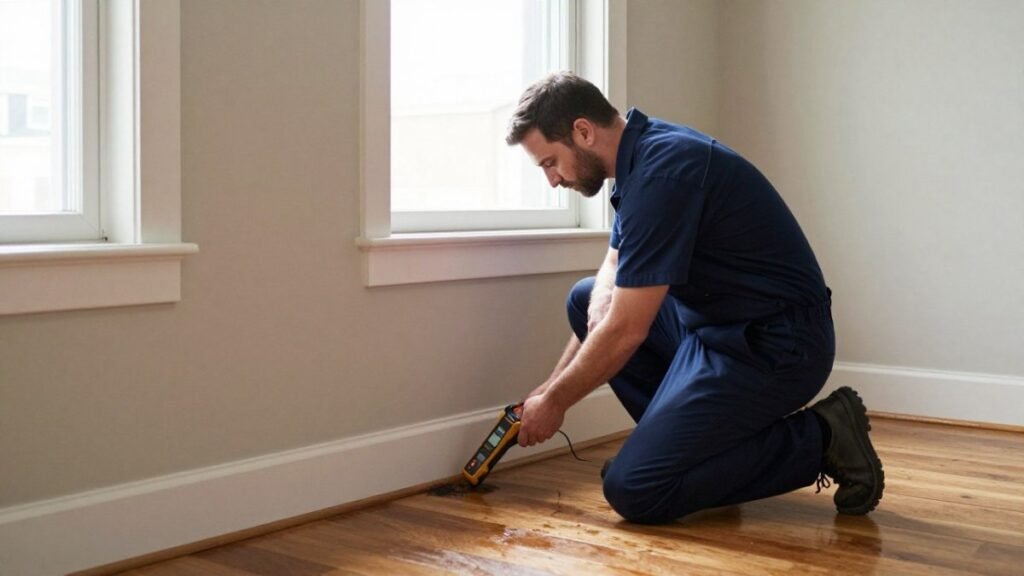
Last Updated: November 16, 2026
Quick Summary
Final walkthrough damage does not cancel closing; it starts a negotiation. Document the damage with timestamped photos, notify the seller in writing the same day, then agree on a remedy: the seller repairs it, credits you at closing, or holds funds in escrow until the work is confirmed.
- The walkthrough is a condition check, not a second inspection, so budget about an hour.
- Treat damage as significant if it affects health, safety, value, or points to a hidden problem.
- Send written notice to the seller and your agent the same day you find the damage.
- If a repair cannot finish before closing, an escrow holdback protects you until it is confirmed.
- A verbal promise that the seller will take care of it is not a remedy; get it in writing.
Table of Contents
- Property Damage at the Final Walkthrough: What Happens Next
- Your Final Walkthrough Damage Checklist: What to Inspect
- Minor Issue or Significant Damage? How to Tell the Difference
- Documenting New Damage Found During the Final Walkthrough Before Closing
- What Can Buyers Demand at the Final Walk-Through?
- When Should a Problem You Find on a Walkthrough Be Fixed?
- Damage Discovered After the Walkthrough but Before Possession
- Get a Free Damage Assessment Before You Close
- Frequently Asked Questions
Property Damage at the Final Walkthrough: What Happens Next
Finding damage at the final walkthrough does not cancel your closing.
Here is the part most buyers get wrong: the walkthrough is not a second inspection. It is a condition check.
So what happens if property damage is discovered during final walkthrough? Three things, in order: document it, notify the seller in writing, and negotiate a remedy before you sign.
Your Final Walkthrough Damage Checklist: What to Inspect
The final walkthrough damage checklist is short and focused. You are confirming the property is in the agreed condition, not hunting for every flaw.
- Run every faucet and check under each sink for drips
- Look at ceilings and wall corners for fresh stains or bubbling paint
- Test the heat and A/C, and note any unusual sounds
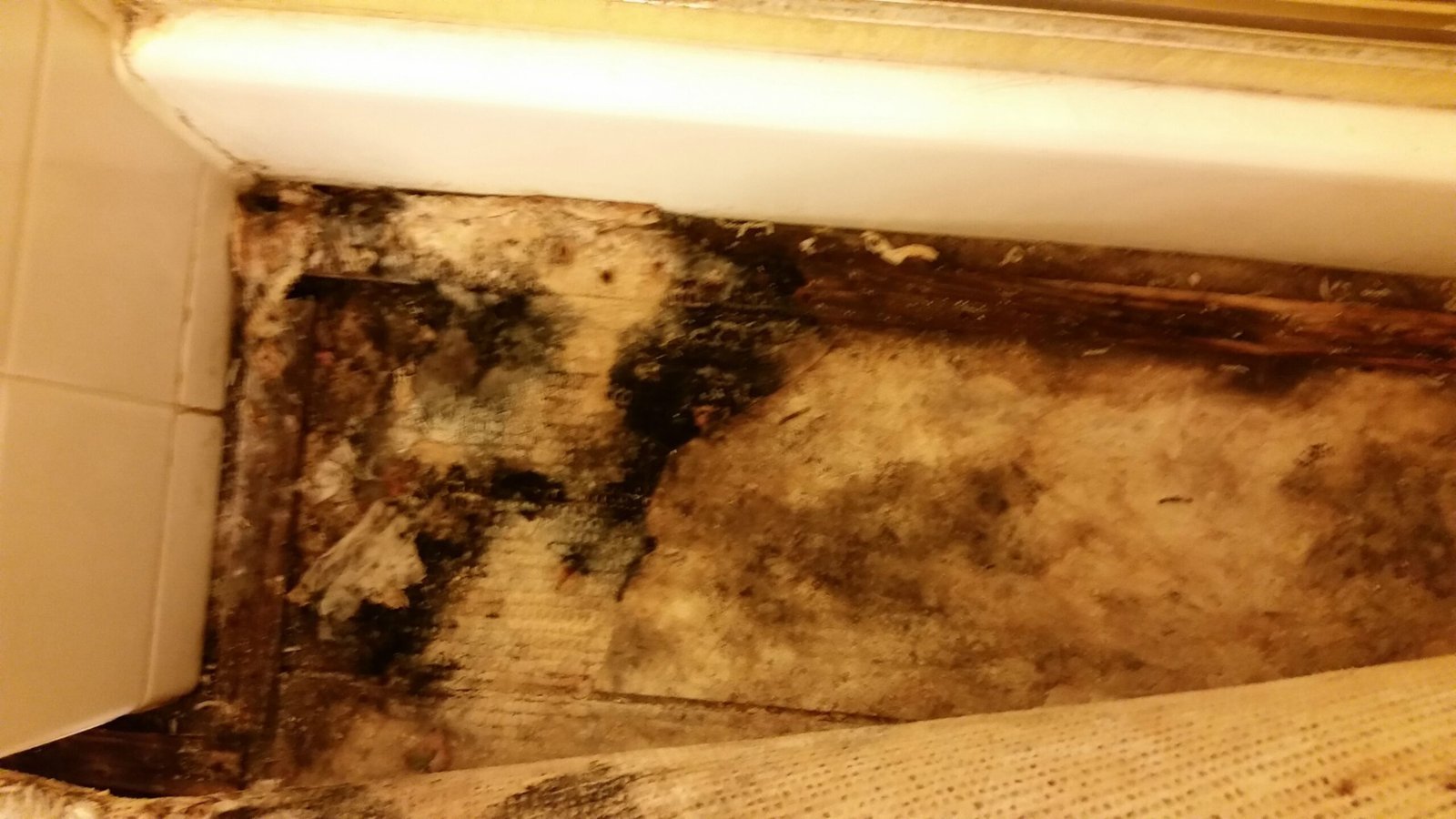
Georgia humidity can make weak spots worse. If you spot dark edges behind drywall, our guide to signs of mold behind drywall covers what to look for before you close.
Systems, Fixtures, and Agreed-Upon Repairs
Systems and appliances should work the way they did when you agreed to buy. Turn on the furnace, A/C, dishwasher, and disposal, and run water in every fixture.
Then check the repair list. If the seller agreed to fix a leaking pipe, look for evidence the work was done right.
Fixtures and personal property should match the contract. If the listing included the refrigerator, it should still be there.
Minor Issue or Significant Damage? How to Tell the Difference
Minor damage is cosmetic and cheap to fix. Significant damage is a material change: it affects safety, structure, or the value you agreed to pay. A scuffed baseboard is minor.
Ask three questions:
- Does it affect health or safety?
- Does it change the property’s value?
- Does it point to a bigger hidden problem?
If you answer yes to any of those, treat it as significant. A slow leak under a sink often means wet framing and possibly mold behind the cabinet, a different conversation than a torn screen door.
Documenting New Damage Found During the Final Walkthrough Before Closing
New damage found during final walkthrough before closing needs evidence, fast: timestamped photos, video walk-throughs, and a written note of what you saw and when.
Your documentation should include:
- Wide shots showing the room and the damage in context
- Close-ups with something for scale
- A short video panning the affected area
Do not rely on memory or a verbal heads-up.
If water is still spreading when you find it, act before you negotiate. Our step-by-step guide on how to stop water damage spreading covers immediate extraction and drying.
What Can Buyers Demand at the Final Walk-Through?
Buyers can generally expect the seller to deliver the property in the condition the contract requires. What that means depends on your purchase agreement, and the answer is not the same for a scuffed baseboard and a burst supply line. Use the decision path below to sort the damage before you ask for anything.
Step 1: Classify the damage
- Cosmetic and isolated. A torn screen, a scuff, a missing outlet cover. Remedy: ask for a closing credit or a quick fix. Do not threaten to walk over this.
- Functional but contained. A dead appliance that was supposed to convey, a window that no longer latches, a slow drip under a sink with no staining. Remedy: repair before closing, credit, or escrow holdback.
- Material or safety-related. Active water intrusion, visible mold, a failed water heater, or damage pointing to a hidden problem behind drywall or under a cabinet. Remedy: professional assessment first, then renegotiate, repair, credit, holdback, or delay closing.
Step 2: Read the clauses that control your options
Pull your purchase agreement and find these provisions. Most Georgia residential contracts, including the Georgia Association of Realtors purchase and sale agreement, address them, but the exact language varies by form and by any addenda you signed.
- Property condition / as-is language. An as-is clause limits your repair demands, but usually does not excuse damage the seller caused, concealed, or failed to maintain between contract and closing.
- Risk of loss / casualty. This clause decides who bears the loss if the property is damaged before closing, and whether you can terminate, demand repair, or take an assignment of insurance proceeds.
- Seller repair obligations. If the seller already agreed in writing to fix something, that promise survives the walkthrough. Verify it was done.
Step 3: Choose the remedy that fits
| Damage type | Typical ask | Who confirms |
|---|---|---|
| Cosmetic, isolated | Closing credit or seller fix before signing | Buyer’s agent |
| Functional, contained | Repair before closing, credit, or escrow holdback | Buyer’s agent and attorney |
| Active water or mold | Professional assessment, then repair, credit, or holdback | IICRC-certified technician or licensed plumber |
| Casualty event | Renegotiate under the risk-of-loss clause; possibly delay closing | Real estate attorney and insurance agent |
| Seller concealed known damage | Written demand; consult attorney about remedies | Real estate attorney |
Common remedies, in plain terms:
- The seller completes the repair before closing, and you re-verify it.
- The seller credits you money at closing for the repair.
- Funds are held in escrow until the work is finished and confirmed.
What you cannot do is demand a brand-new kitchen because a cabinet door is loose. Remedies track the actual damage and the contract language.
Watch out: A verbal promise from the listing agent that “the seller will take care of it” is not a remedy.
Talk to your real estate attorney before you make demands or threaten to walk. Contract terms vary, and a wrong move can cost you your earnest money.
When Should a Problem You Find on a Walkthrough Be Fixed?
The short answer: before closing, unless the contract says otherwise. If the seller agrees to repair, the fix should be finished and verified before you sign, or the money held until it is.
Timing options look like this:
| Situation | Typical Fix Timing | Who Verifies |
|---|---|---|
| Cosmetic issue | Before closing or credit at closing | Buyer’s agent |
| Active water leak | Immediately, before closing | Licensed plumber or restoration tech |
| Agreed repair not done | Before closing or escrow holdback | Buyer’s agent and attorney |
| Hidden damage suspected | Professional assessment before closing | Certified inspector |
If a repair cannot realistically finish before closing day, an escrow holdback protects you. The money sits with a third party until the work is confirmed.
Damage Discovered After the Walkthrough but Before Possession
Damage discovered after the walkthrough but before possession is the scenario nobody plans for. A pipe can freeze during a winter cold snap. A summer storm can push water through a seam near an attic vent. The seller still holds the keys, and now there is water in the house. The window between your walkthrough and possession, through closing, funding, and recording, is where responsibility can get murky, and where a written record matters.
Who bears the loss in that window
Three things control the answer:
- The risk-of-loss or casualty clause in your purchase agreement. Look here first. It may put the loss on the seller until closing, on the buyer at some earlier point, or split it based on cause.
- Who held possession and control. If the seller still occupied the home, their conduct and policy usually matter more. If you had early occupancy or the keys, the analysis shifts.
- The cause of the loss. A sudden event like a burst pipe or storm is treated differently from neglect, a known defect the seller failed to disclose, or damage from work the seller arranged.
Georgia insurance context matters here. The seller’s policy may respond if the loss happened while they owned and occupied the home. Your policy generally starts at closing, though your agent can confirm the exact effective time. Do not assume either policy covers it, call both agents the same day.
The evidence and notice workflow
Run this sequence in order. It protects you whether the deal closes or falls apart.
- Photograph and video immediately. Wide shots of the room, close-ups with something for scale, and a short panning video. Confirm your phone’s timestamp is on.
- Write a one-paragraph notice. State the date, time, who was present, what you saw, and where. Attach the photos.
- Send it in writing to the seller and your agent the same day. Email is fine; keep the sent copy. Verbal heads-ups do not create a record.
- Ask for a re-walkthrough before you take possession. Put the request in the same email.
- Get a professional assessment if water or mold is involved. Moisture readings and a written scope turn a dispute into a documented claim.
- Preserve every response. Forward replies to your attorney and lender so the chain is intact.
Sample written notice you can adapt
Subject: Damage discovered at [property address] on [date]
On [date] at approximately [time], during the final walkthrough at [address], I observed [describe damage, e.g., standing water under the kitchen sink and staining on the cabinet base].
Watch out: Do not authorize repairs, sign a release, or accept a verbal credit before your attorney reviews the contract language. A quick fix without documentation can erase your claim.
If the damage is still active
If water is spreading when you find it, stop the source and start drying before you negotiate. Our step-by-step guide on how to stop water damage spreading covers immediate extraction and drying, and our guide to handling property damage during escrow walks through the practical steps for both sides of the transaction.
If you are buying or selling and need facts before the next conversation, call 678-379-8000 for a free assessment.
Get a Free Damage Assessment Before You Close
A free damage assessment gives you facts before you negotiate.
We do handle the water damage caused by leaks or plumbing failures, along with mold remediation, fire damage restoration, plumbing repairs, and emergency board-up after fires.
If you found damage at your walkthrough, call 678-379-8000 for a free assessment before you sign.
Do not close on a house with active water damage and hope for the best.
Frequently Asked Questions
Can a buyer back out after a final walkthrough if they find damage?
It depends on your purchase agreement. Most real estate contracts allow buyers to walk away if the property has suffered a material change in condition since the inspection period ended. If the damage is significant and the seller refuses to repair or credit it, you may have grounds to cancel the transaction and recover your earnest money. Minor cosmetic issues rarely justify backing out. Review your contract terms with your real estate agent or attorney before making a decision, and document everything with photos and written notice to the seller.
Who is responsible for damage found before closing?
The seller is generally responsible for maintaining the property in the same condition as when the purchase agreement was signed, up until possession transfers. If new damage appears during a final walkthrough, the seller is typically obligated to repair it or offer a credit. However, as-is contracts shift more responsibility to the buyer. Sudden damage from a storm, burst pipe, or fire before closing is often the seller’s responsibility unless the contract states otherwise. Notify the seller in writing immediately and keep records of all communication.
What should you do if you discover new damage during the final walkthrough?
Stop and document everything with dated photos and video. Note the location, size, and apparent cause of the damage. Notify your real estate agent right away so they can contact the seller’s agent in writing. Do not close until you have a written agreement on repairs, a repair credit, or an escrow holdback. If the damage involves water, mold, or fire, get a professional assessment before closing to understand the full scope, since visible damage often hides bigger problems behind walls.
When should a problem found during a walkthrough be fixed?
Agreed-upon repairs should be completed before the closing date whenever possible, with a final verification walkthrough to confirm the work was done. If the seller cannot finish in time, you can negotiate a repair credit at closing, an escrow holdback that releases funds once the work is verified, or a postponement of closing. For damage discovered during the final walkthrough itself, insist on a written resolution before signing closing documents. Verbal promises are hard to enforce after possession transfers.