Table of Contents
- What Happens When Fire Damage Goes Unrepaired
- Health Risks of Smoke Damage and Soot Exposure
- Structural Integrity After House Fire: The Timeline of Deterioration
- Secondary Water Damage and Mold Growth
- Long-Term Property Value Impact
- Homeowners Insurance Fire Claim Deadlines and Coverage Loss
- DIY vs. Professional Restoration: When You Need an Expert
- What to Do Immediately After a Fire
Last Updated: August 16, 2026
What Happens When Fire Damage Goes Unrepaired
When fire damage is left unaddressed, consequences extend far beyond visible scorch marks. Unrepaired fire damage compounds rapidly over weeks and months, creating cascading problems affecting structural integrity, air quality, property value, and family health. The longer damage sits untreated, the more expensive and complex restoration becomes.
At Aquaflame Restores It, we’ve responded to hundreds of fire emergencies across metro Atlanta. The pattern is consistent: homeowners who delay repairs face exponentially higher costs and health risks. Acidic smoke residue continues corroding metals and degrading materials. Secondary water damage from firefighting efforts compounds the problem. Mold colonizes within 24-48 hours in damp spaces.
Every hour of delay increases the risk of structural failure, toxic mold growth, and permanent property damage. What might cost $15,000 to repair professionally within days can escalate to $75,000+ if left for months.
Health Risks of Smoke Damage and Soot Exposure
Smoke damage creates immediate and ongoing health risks that worsen without professional remediation. Soot particles are chemically active residue containing carbon, tar, and toxic compounds that irritate respiratory systems and persist in your home’s air long after visible smoke clears.
Soot contains fine particulates smaller than 2.5 micrometers (PM2.5), which bypass your body’s natural defenses and lodge deep in lung tissue. These particles carry acidic compounds and heavy metals depending on what burned. Prolonged exposure triggers inflammation, reduces oxygen absorption, and worsens chronic conditions like asthma or COPD. Vulnerable populations, children, elderly residents, and people with pre-existing respiratory conditions, face the greatest risk.
When fire damage remains unrepaired, soot settles into HVAC ducts and ventilation systems, meaning contaminated air circulates continuously through your home. Professional HVAC decontamination removes soot from ductwork, but only when addressed promptly. Delayed action allows particles to bond permanently to duct surfaces, making complete removal impossible.
Smoke damage health risks escalate when fire damage is not repaired because soot continues off-gassing and circulating through your home’s air systems. Professional assessment and deodorization within the first 48-72 hours capture the highest percentage of hazardous particles.
Structural Integrity After House Fire: The Timeline of Deterioration
Structural integrity after house fire begins degrading the moment fire ends. Wood loses strength when exposed to sustained heat above 300°F, even without visible charring. Steel weakens at 1,100°F. Concrete begins spalling and cracking at 500°F. When fire damage is not repaired, these weakened materials continue deteriorating through chemical and physical processes.
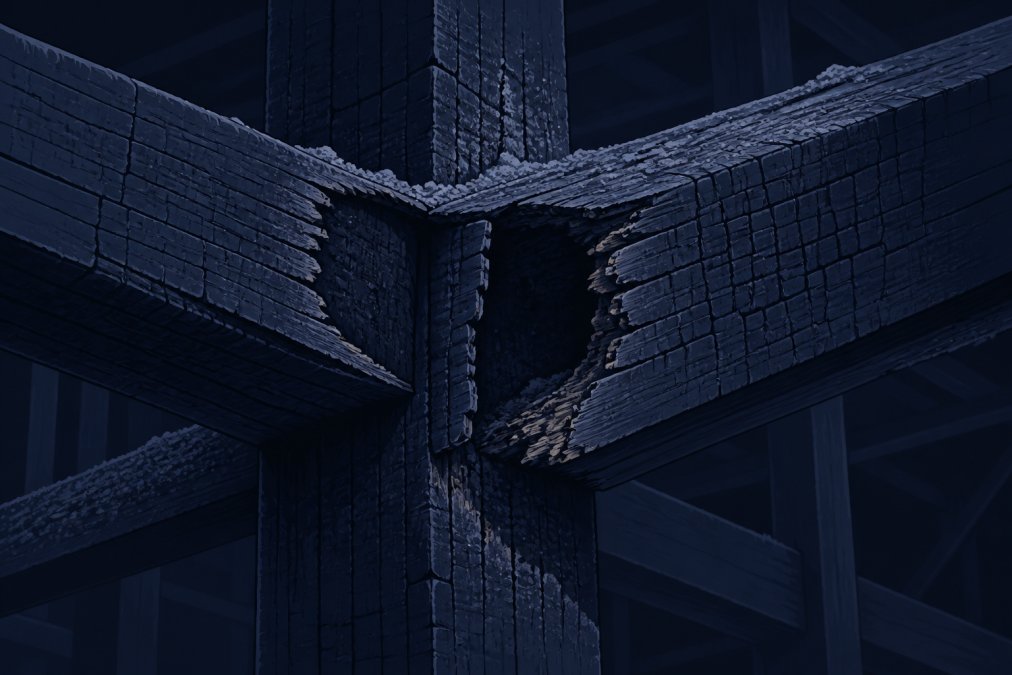
The first 72 hours after fire are critical for stabilizing structural elements. Thermal degradation doesn’t stop when flames extinguish; residual heat continues damaging materials. Water from firefighting efforts introduces moisture into walls, framing, and foundations, accelerating corrosion and weakening load-bearing capacity. Without professional board-up services and structural assessment, exposed areas deteriorate rapidly.
Corrosion and Acidic Residue Damage
Fire produces acidic residue that continues corroding metal components long after the fire ends. Steel beams, fasteners, electrical conduits, and metal framing oxidize when exposed to acidic smoke residue combined with moisture. Corrosion accelerates in the presence of both factors, typical in unrepaired fire damage.
Acidic residue forms when combustion byproducts combine with moisture in the air, creating weak acids that etch and corrode exposed metal. Fasteners holding structural elements together corrode from the outside inward, reducing load-bearing capacity. A corroded bolt retains perhaps 60% of its original strength, enough to pass casual inspection but insufficient under stress.
When fire damage is not repaired, corrosion continues unchecked for weeks and months. By the time professional assessment occurs, structural fasteners may have lost 30-50% of their original strength. Concrete and masonry also suffer from acidic residue, with surface layers breaking down and spalling accelerating within months.
Thermal Degradation of Building Materials
Thermal degradation occurs when materials are exposed to elevated temperatures, causing permanent changes in their physical and chemical properties. Wood loses structural strength through charring and cellular breakdown. Drywall loses gypsum core integrity. Insulation materials melt or degrade. Plastics in wiring, plumbing, and fixtures warp permanently.
The damage from thermal degradation is permanent. A charred wooden beam cannot be restored to original strength and must be replaced. Melted electrical insulation creates fire and electrocution hazards that persist indefinitely. When fire damage is not repaired, these thermally degraded materials remain in place, creating ongoing safety hazards. Charred wood becomes brittle and prone to collapse under load.
Thermal degradation of building materials happens instantly during the fire, but its structural consequences worsen over time as moisture, corrosion, and material breakdown continue. Professional restoration must address both visible damage and hidden thermal compromise of materials.
Secondary Water Damage and Mold Growth
Firefighting efforts introduce massive quantities of water into your home. When fire damage is not repaired, this water becomes trapped in walls, attics, crawlspaces, and subflooring, creating ideal conditions for mold growth and secondary structural damage.
Mold colonizes within 24-48 hours in damp environments. Once established, mold spreads through mycelium networks that penetrate porous materials like wood, drywall, and insulation. Mold growth accelerates in the presence of acidic residue and charred organic material, both abundant in fire-damaged homes.
Secondary water damage weakens structural elements independent of fire damage. Wood framing absorbs water and swells, then shrinks as it dries, creating stress fractures. Repeated wet-dry cycles accelerate wood rot. Drywall saturated with water loses structural properties and becomes a breeding ground for mold. Within one week, visible mold colonies appear on damp surfaces. Within one month, mold has colonized significant portions of affected areas.
Professional mold remediation requires identifying and addressing the moisture source, which means repairing fire damage and drying affected materials thoroughly. When fire damage is not repaired, mold becomes entrenched, and attempting DIY removal without addressing underlying water intrusion simply allows mold to return within weeks.
Long-Term Property Value Impact
A home with unrepaired fire damage loses value dramatically and becomes increasingly difficult to sell or finance. Lenders require professional assessment and clearance documentation before financing any property with fire history. Buyers expect full disclosure of fire damage, and many refuse to purchase homes with unrepaired or inadequately repaired fire damage.
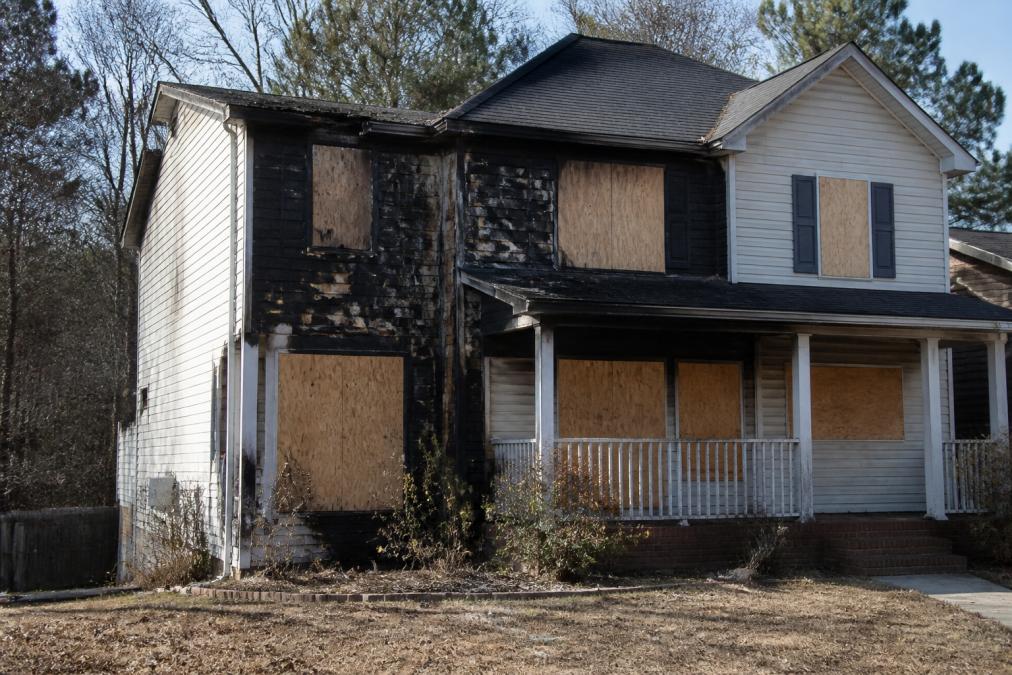
When fire damage is not repaired, property value declines 30-50% or more depending on damage severity and local market conditions. A $400,000 home with significant unrepaired fire damage might appraise at $200,000-$280,000. The longer damage remains unrepaired, the greater the value loss as secondary damage, mold, and structural deterioration compound.
Insurance implications also affect property value. Homes with unrepaired fire damage become uninsurable through standard homeowners policies. Specialized high-risk insurers charge premiums 2-3 times higher than standard rates. Unrepaired fire damage also creates liability concerns: if someone is injured due to unsafe conditions, the property owner faces legal responsibility.
Homeowners Insurance Fire Claim Deadlines and Coverage Loss
Insurance policies contain strict deadlines for filing fire damage claims and completing repairs. When fire damage is not repaired within required timeframes, coverage can be denied or significantly reduced.
Most homeowners insurance policies require claim notification within 30-60 days of the fire. Once a claim is filed, insurers typically require proof of mitigation efforts within 10-14 days. Mitigation means taking reasonable steps to prevent further damage: board-up services, water extraction, temporary repairs, and professional assessment.
When fire damage is not repaired, insurers may deny additional claims for secondary damage. If you don’t extract water from firefighting efforts within days, resulting mold growth may not be covered. Insurers view delayed action as failure to mitigate, which voids coverage for resulting damage.
Coverage limits also apply. Your policy covers fire damage up to your dwelling coverage limit, but may have separate limits for additional living expenses and debris removal. If repairs exceed your dwelling limit, you’re responsible for the overage. Delayed repairs that allow secondary damage to accumulate can easily push total costs beyond your coverage limit.
Professional restoration companies like Aquaflame Restores It manage direct insurance billing, handling claim documentation and coordination with adjusters. This ensures your claim is properly filed, mitigation is documented, and repairs proceed without coverage gaps.
Missing homeowners insurance fire claim deadlines or failing to mitigate damage can result in claim denial or significant coverage reduction. Professional intervention within 24-48 hours protects your claim and ensures proper documentation for insurance purposes.
DIY vs. Professional Restoration: When You Need an Expert
The decision between DIY cleanup and professional fire restoration depends on damage severity, safety hazards, and your insurance coverage requirements. Minor smoke damage in a single room might be addressed with cleaning and deodorization. Significant structural damage, hazardous materials, or widespread fire involvement requires professional expertise.
Professional fire restoration involves specialized skills and equipment that DIY approaches cannot replicate. IICRC-trained technicians assess structural integrity, identify hidden damage, manage hazardous materials, coordinate with insurance adjusters, and execute repairs to building code standards. They understand the chemical processes involved in fire damage and how acidic residue corrodes materials.
When fire damage is not repaired professionally, hidden damage often goes unaddressed. Structural compromise in framing, corrosion in electrical systems, and mold colonization in wall cavities remain undetected. These problems surface months or years later as safety hazards or health concerns.
The threshold for professional involvement is low: any fire damage affecting more than a single small room should involve professional assessment. Most homeowners insurance policies require professional mitigation for fire damage claims anyway. The cost of professional assessment is minimal compared to the cost of addressing problems that develop from delayed or incomplete repairs.
Aquaflame Restores It provides professional assessment and mitigation coordination with your insurance company. Their IICRC-trained technicians identify all damage, visible and hidden, and create a comprehensive restoration plan. Direct insurance billing maximizes your coverage.
What to Do Immediately After a Fire
The first hours after a fire determine the trajectory of your recovery. Immediate action prevents secondary damage, protects your insurance claim, and sets the foundation for complete restoration.
Step 1: Ensure Safety and Evacuate
If the fire is still active or smoke is heavy, evacuate immediately. Call 911 and wait for emergency responders. Once firefighters declare the scene safe, you can assess damage, but do not enter if structural integrity is questionable.
Step 2: Contact Your Insurance Company
File your claim within 24 hours of the fire. Have your policy number available and provide clear information about what burned and approximate damage extent. Claim deadlines are firm.
Step 3: Document Damage for Insurance
Take photos and video of all visible damage before touching anything. Document the fire scene, charred materials, water damage, and destroyed items. Store photos securely for reference throughout restoration.
Step 4: Contact a Professional Restoration Company
Call Aquaflame Restores It immediately. They can assess damage, begin mitigation (water extraction, board-up, dehumidification), and coordinate with your insurance adjuster. Professional assessment within 24 hours captures the critical window for preventing secondary damage.
Step 5: Secure the Property
If the fire damaged exterior walls, windows, or doors, board-up services prevent weather intrusion and unauthorized entry. This mitigation step prevents secondary water damage and protects remaining contents.
Step 6: Begin Water Extraction and Dehumidification
Water from firefighting efforts must be removed within 24-48 hours to prevent mold growth. Professional extraction equipment removes water from carpets, subflooring, and wall cavities. Dehumidifiers and air movers begin drying affected areas.
Step 7: Do Not Attempt DIY Cleanup
Do not throw away damaged items, attempt mold removal, or begin repairs without professional guidance. Insurance adjusters need to see damage to assess claims. Fire-damaged materials may contain hazardous substances requiring professional handling.
| Action | Timing | Why It Matters |
|---|---|---|
| Evacuate and ensure safety | Immediate | Prevents injury or death |
| Call 911 | Immediate | Stops active fire, documents incident |
| File insurance claim | Within 24 hours | Protects claim deadline, starts coverage process |
| Document damage | Within 24 hours | Supports insurance claim, creates record |
| Contact professional restoration | Within 24 hours | Begins mitigation, prevents secondary damage |
| Board-up and secure property | Within 24-48 hours | Prevents weather intrusion, protects remaining contents |
| Begin water extraction | Within 24-48 hours | Prevents mold growth, minimizes secondary damage |
Unrepaired fire damage compounds into a cascade of structural, health, and financial problems that accelerate over weeks and months. Acidic residue corrodes materials, moisture enables mold colonization, and secondary damage multiplies initial costs. Your property’s value, your family’s health, and your insurance coverage all depend on immediate professional intervention.
Aquaflame Restores It responds to fire emergencies across metro Atlanta with 24/7 availability and a 30-minute arrival guarantee. Their IICRC-trained technicians manage complete mitigation, coordinate directly with insurance adjusters, and execute professional restoration from initial assessment through final reconstruction. Contact them immediately after a fire, every hour matters.
Frequently Asked Questions
Can structural fire damage worsen over time if left untreated?
Yes. Unrepaired fire damage deteriorates rapidly through corrosion, acidic residue breakdown, and thermal degradation of building materials. Metal components rust, wood continues to weaken, and structural integrity compounds daily. Secondary water damage from firefighting efforts accelerates decay if not addressed. Professional assessment within 24-48 hours prevents irreversible structural failure.
What are the health risks of living in a home with smoke damage?
Smoke damage leaves volatile organic compounds (VOCs), soot, and acidic particles that cause respiratory illness, asthma attacks, and lung damage. Continued exposure increases cancer risk and cardiovascular problems. Children and elderly residents face higher risk. Soot contains carcinogenic residue that accumulates in HVAC systems, spreading contamination throughout the home. Professional deodorization and air quality testing are essential.
What happens to homeowners insurance fire claim deadlines if repairs are delayed?
Most homeowners insurance policies require notification within 30-60 days and completion of repairs within a set timeframe, typically 1-3 years depending on your policy. Delaying professional assessment and restoration can void coverage for secondary damage or new deterioration. Insurance adjusters document initial damage; delays make it harder to prove what was fire-caused versus age-related. File your claim immediately and hire certified restoration professionals to preserve your coverage.
How much does unrepaired fire damage reduce property value?
Unrepaired fire damage typically reduces property value by 20-50%, depending on extent and location. A home with visible fire damage, unresolved structural issues, or documented smoke damage becomes difficult or impossible to sell without full restoration. Buyers demand steep discounts or walk away entirely. Lenders often refuse to finance fire-damaged properties. Professional restoration preserves resale value and marketability far better than attempting partial repairs or selling as-is.
This article was written using GrandRanker