Table of Contents
- Does Homeowners Insurance Cover Mold Damage?
- When Is Mold Damage Covered by Your Policy?
- Common Causes of Covered Mold Damage
- Signs of Hidden Mold Damage You Should Know
- How to Document Mold Damage for Insurance
- Hiring a Professional Mold Inspector
- What Happens If Your Mold Damage Insurance Claim Denial Occurs
- Steps to Take After Discovering Mold
Last Updated: August 30, 2026
Does Homeowners Insurance Cover Mold Damage?
Homeowners insurance covers mold damage only when it results from a sudden, accidental event like a burst pipe, storm-caused roof leak, or water heater failure. Mold from gradual moisture problems, poor maintenance, or neglect is excluded. At Aquaflame Restores it, we help homeowners navigate insurance coverage after water damage. Understanding what your policy covers and acting quickly protects both your home and your claim.
When Is Mold Damage Covered by Your Policy?
Mold damage covered by insurance depends on whether the water damage that created it is a covered peril. The key phrase is "sudden and accidental." If water damage results from an unexpected event you didn’t cause through negligence, any resulting mold is covered.
Sudden and Accidental Perils
Common sudden and accidental events triggering mold coverage include burst pipes from freezing, appliance failures, plumbing failures, and storm damage. A pipe burst that saturates drywall results in covered mold because the event was sudden and accidental. A slow leak ignored for months isn’t sudden, it’s gradual damage from neglect, which falls under policy exclusions.
Water Damage from Covered Events
Your homeowners insurance policy covers water damage from:
- Storm damage (wind-driven rain, hail, falling tree limbs)
- Burst or frozen pipes
- Appliance failures and leaks
- Sudden, accidental overflow of plumbing fixtures
- Ice dam damage to roofs
When water damage results from one of these covered perils, any mold developing within a reasonable timeframe is covered. However, timing matters. If you discover water damage but wait weeks before reporting it, the insurer may argue you failed to mitigate the damage, your legal duty to take reasonable steps to prevent further damage once you discover a problem.
Common Causes of Covered Mold Damage
Burst pipes are the leading cause of covered mold claims. When water temperature drops below freezing, pipes can rupture without warning, releasing water into walls or crawlspaces. Mold grows within 24-48 hours, and because the rupture was sudden and accidental, the resulting mold is covered (the CDC).
Roof leaks from storms represent another major category. High winds, heavy rain, or hail can damage roofing materials, allowing water to infiltrate the attic and walls. Storm damage is a covered peril in nearly all homeowners policies, so mold developing after a storm-caused roof leak is typically covered.
Water heater failures and appliance overflow from washing machines, dishwashers, or refrigerators can trigger covered mold if the failure was sudden and accidental.
Signs of Hidden Mold Damage You Should Know
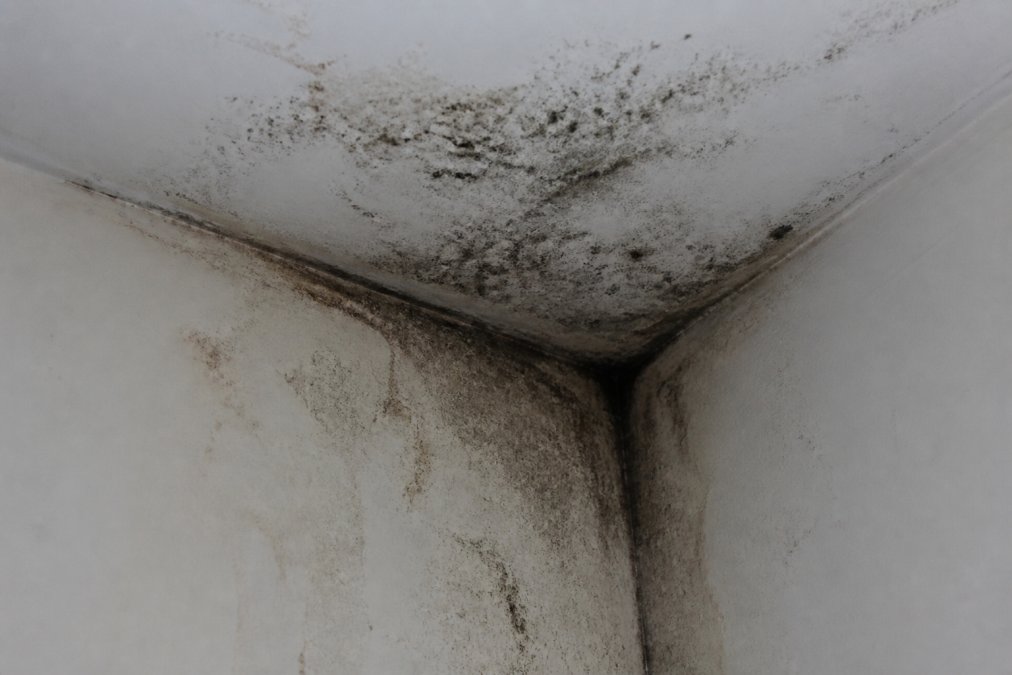
Mold often grows in places you can’t see until significant damage occurs. Identifying hidden mold early is critical for both your health and your insurance claim. Early documentation strengthens your claim that mold resulted from a specific water damage event rather than chronic neglect.
Visual signs include discoloration on ceilings, walls, or around windows, dark spots, streaks, or fuzzy growth in various colors. Water staining on drywall, ceiling tiles, or insulation indicates water has been present; mold typically follows within days or weeks. Musty, earthy odors in crawlspaces, basements, and attics often signal mold presence before visual evidence appears. Soft or spongy drywall or wood framing indicates advanced mold damage. Peeling paint or wallpaper and persistent condensation on windows or pipes often signal moisture and mold.
How to Document Mold Damage for Insurance
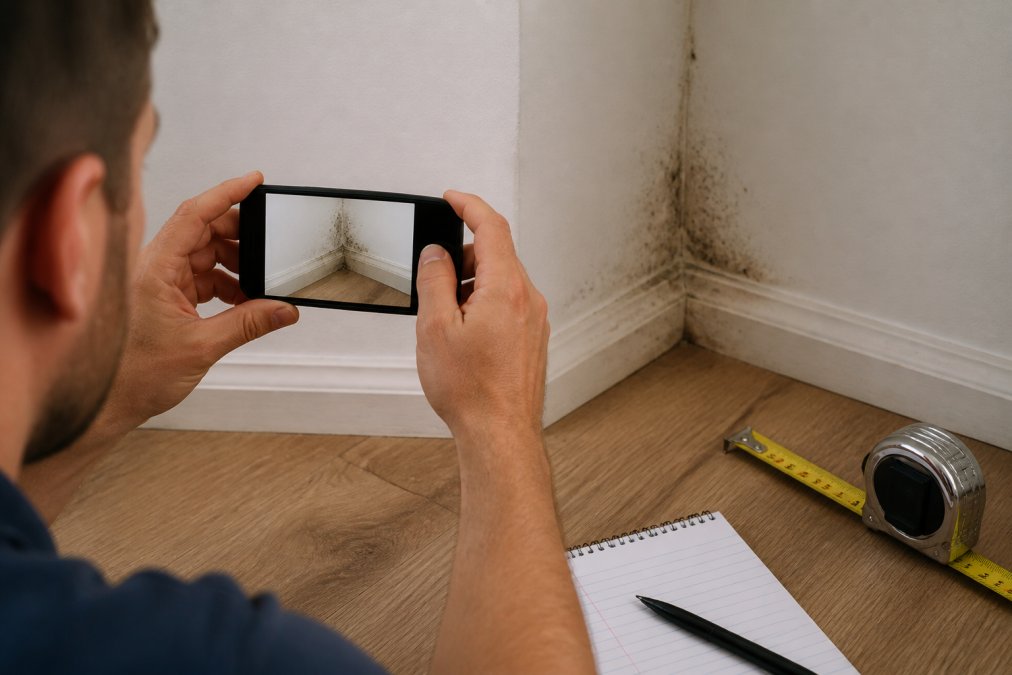
Documentation is the foundation of a successful mold damage insurance claim. Insurance adjusters need visual evidence, measurements, and a clear timeline linking mold to a specific water damage event.
Take photographs and video immediately upon discovery. Capture wide shots showing the affected area in context, then close-ups of the mold itself. Include a measuring tape or object of known size in photos to establish scale.
Document the timeline carefully. Write down the date you discovered the mold or water damage, the date of the event that caused the water intrusion, and any intermediate steps you took. Identify the water damage source explicitly, is it a burst pipe, roof leak, appliance failure, or storm damage?
Keep all receipts and invoices related to water damage mitigation. Create a written summary describing what happened, when you discovered it, what damage you observed, and what steps you took.
Hiring a Professional Mold Inspector
When mold damage is extensive or hidden, hiring a certified mold inspector strengthens your insurance claim and ensures proper assessment. An inspector’s report carries weight with insurance adjusters because it provides objective, professional documentation.
A certified mold inspector conducts a thorough visual inspection, identifies affected areas, and collects samples for laboratory analysis if needed. Look for inspectors certified by the American Industrial Hygiene Association (AIHA) or holding certifications from recognized mold assessment programs (aiha.org). The inspector’s report should clearly link the mold to the water damage event and explain why the mold developed as a consequence of that specific event.
Schedule the inspection as soon as possible after discovering mold, while evidence is fresh and before remediation removes the mold. Keep the inspector’s report and any lab results; these become part of your claim documentation.
What Happens If Your Mold Damage Insurance Claim Denial Occurs
Common denial reasons include: the insurer determined the mold resulted from gradual moisture accumulation rather than a covered peril, you failed to mitigate damage promptly, or the policy has mold exclusions that apply.
If your claim is denied, request a detailed written explanation. Read your policy carefully against the denial reason. Many homeowners succeed in appealing denials by providing additional documentation, photos, professional inspection reports, and a clear timeline can change the outcome.
Consider hiring a public adjuster if the claim amount is substantial. Public adjusters work on behalf of homeowners and are paid a percentage of the claim settlement. If the denial seems unjustified, consult an insurance attorney. State insurance commissioners handle consumer complaints and often result in claim reversals. homeowners insurance coverage.
Steps to Take After Discovering Mold
The first 24 hours after discovering mold are critical. Your immediate actions determine whether your claim is covered and whether you successfully mitigate further damage.
Stop the source of water if possible and safe. Shut off the water supply if a pipe burst. Unplug an appliance that’s leaking. If you can’t safely stop the water, call an emergency restoration company immediately.
Document everything before cleanup. Take photos and video of the water damage and any visible mold. Write down the date, time, and what you observed.
Contact your insurance company within 24-48 hours. Report the water damage event and describe the cause. Provide your policy number and ask about coverage and next steps.
Dry the affected area using fans, dehumidifiers, and open windows. Remove wet materials if they can’t be dried. Hire a professional restoration company if the damage is extensive. At Aquaflame Restores it, our IICRC-trained technicians handle the entire process from emergency water extraction through final reconstruction, and we manage direct insurance billing so you’re not caught between your insurer and contractors.
Keep all receipts and invoices. Every expense related to water damage mitigation may be covered under your policy. Follow up with your insurance company regularly and get a detailed remediation estimate before work begins.
Discovering mold damage is stressful, but understanding your insurance coverage and acting quickly protects both your home and your claim. Sudden, accidental water damage is covered; gradual moisture from neglect is not. Document everything, report promptly, and hire professionals when needed. When water damage strikes, Aquaflame Restores it’s 24/7 emergency team responds within 30 minutes with IICRC-certified technicians who handle extraction, drying, mold remediation, and reconstruction while managing your insurance claim directly. Get started with Aquaflame Restores it and restore your home to its original condition without the stress of navigating claims alone.
| Documentation Step | Timing | What to Include |
|---|---|---|
| Photograph damage | Immediately upon discovery | Wide shots, close-ups, measuring tape for scale |
| Write timeline | Within 24 hours | Water damage date, discovery date, cause of water |
| Contact insurance | Within 24-48 hours | Policy number, brief description, cause of damage |
| Hire inspector/contractor | Within 48-72 hours | Professional assessment and remediation estimate |
| Submit claim | Within 30 days | Photos, timeline, receipts, professional reports |
| Follow up | Weekly | Check status, provide additional documentation |
Frequently Asked Questions
What types of water damage does homeowners insurance cover?
Homeowners insurance covers sudden, accidental water damage from burst pipes, appliance failures, roof leaks from storms, and similar covered perils. It does NOT cover water damage from gradual leaks, poor maintenance, seepage, or flooding (which requires separate flood insurance).
Does homeowners insurance cover mold remediation costs?
Yes, if the mold resulted from a covered water damage event. Remediation costs, professional removal, structural repairs, and reconstruction are covered when the mold is a direct consequence of a covered peril like a burst pipe or storm damage.
How long after water damage does mold typically grow?
Mold can begin growing within 24-48 hours of water intrusion. This is why immediate mitigation is critical. The faster you dry a wet space, the less likely mold will develop.
Can I handle mold remediation myself, or do I need a professional?
For small areas (less than 10 square feet), you may handle cleanup yourself (the EPA). For larger areas or hidden mold, hire a professional. Professional remediation is more thorough, safer, and produces documentation that insurance companies accept more readily.
What should I do if my mold damage claim is denied?
Request a written explanation of the denial. Review your policy against the stated reason. Gather additional documentation and submit an appeal. Consider consulting a public adjuster or insurance attorney if the amount is substantial.
Does my homeowners insurance cover mold from flooding?
No. Standard homeowners policies exclude flood damage. If your mold resulted from flooding, you need a separate flood insurance policy. Flood insurance is available through the National Flood Insurance Program (NFIP) or private insurers.
How do I prove mold resulted from a covered water damage event?
Documentation is key: photos of the water damage source, timeline of the water intrusion event, professional inspection reports linking mold to the water damage, and receipts from mitigation efforts. The stronger your documentation of the covered peril, the clearer the causal link to the mold.
What is the "duty to mitigate" and how does it affect my claim?
Your duty to mitigate requires you to take reasonable steps to prevent further damage once you discover a problem. If you discover water damage and do nothing, the insurance company can reduce your claim or deny it entirely. Act promptly, dry the space, remove wet materials, and hire professionals if needed.
Can mold from poor ventilation or humidity be covered?
No. Mold from high humidity, poor ventilation, or chronic moisture problems is considered maintenance neglect and is explicitly excluded from homeowners insurance coverage. Coverage requires a sudden, accidental water damage event as the cause.
How much does mold remediation typically cost?
Costs vary widely based on the extent of mold, affected area size, and structural damage. Small remediation might cost a few hundred dollars; extensive remediation with structural repairs can reach tens of thousands. Your insurance company will provide a coverage limit; costs exceeding that limit are your responsibility unless you have additional coverage.
Frequently Asked Questions
Will my homeowners insurance cover mold damage?
Coverage depends on how the mold started. If mold resulted from a sudden and accidental peril covered by your homeowners insurance policy, such as a burst pipe, roof leak, or water heater failure, your claim may be covered. However, mold from gradual moisture buildup, poor maintenance, or neglect is typically excluded. Review your policy's water damage and mold exclusions, or contact your agent to clarify your specific coverage.
How do I prove mold was caused by a covered peril?
Document the sequence of events leading to mold growth. Photograph the source of water damage (burst pipe, storm damage, roof leak) before it's repaired. Collect receipts showing when the damage occurred and evidence of your maintenance efforts. A certified inspector's report linking mold directly to the covered water event strengthens your claim. Your insurance adjuster will use this documentation to determine if the cause qualifies as a covered peril under your policy.
What should I do if my insurance denies my mold damage claim?
Request a written explanation of the denial and review your policy language carefully. Common denial reasons include gradual moisture accumulation or policy exclusions. If you believe the denial is incorrect, gather additional documentation, professional inspection reports, evidence of the triggering event, and expert testimony. You can file a formal appeal with your insurance company or contact your state's insurance commissioner for guidance on the appeals process.
Do I need a professional mold inspector before filing a claim?
While not always required, a certified inspector's report significantly strengthens your claim. Inspectors document the extent of mold, identify the moisture source, and provide professional evidence that the damage resulted from a covered peril rather than neglect. This documentation helps prevent claim denials and speeds up the claims process. Many homeowners find the inspection cost worthwhile given the potential claim value.
Sources Referenced:
National Association of Insurance Commissioners guidance on homeowners policy coverage
IICRC standards for water damage restoration and mold remediation
Federal Trade Commission guidance on property damage and insurance claims
This article was written using GrandRanker